

Flowers that start with J form a small but surprisingly varied group in the plant world. This letter covers fragrant vines, tropical shrubs, and shade-loving wildflowers. It also covers spring bulbs, flowering trees, and a few plants best kept away from pets. If you enjoy exploring plants by letter, J holds more variety than most people expect.
- Quick Answer: Best Flowers That Start With J
- Master Alphabetical List of Flowers That Start With J
- Full Comparison Table
- Garden Favorites
- Indoor Plants
- Florist Favorites
- Rare Flowers
- Caution and Toxicity
- Color-Based Groupings
- Life-Cycle Groupings
- Botanical Name Crosswalk
- Flower Meanings and Symbolism
- Decision-Flow Table: Which J Flower Should You Choose?
- Conclusion
- Frequently Asked Questions
This guide covers 50 flowers that start with J. Some entries use a common name that starts with J, like Jack-in-the-Pulpit. Others use a botanical genus name that starts with J, like Jasminum or Jacaranda. We include both types, since gardeners search for plants both ways. Each entry lists a botanical name, native range, and toxicity note where one applies.
We built this list with several readers in mind. A home gardener might want hardy, easy-care picks for a flower bed. A florist might want fragrant blooms for bouquets and events. A pet owner might want to know which J flowers to avoid. A curious plant lover might just want interesting facts and photo ideas.
The list is organized by garden use, color, life cycle, and botanical name. Jump to any section that matches your goal. Every section includes real explanations, not just a row of names. By the end, you will have a full picture of what flowers that start with J can add to a garden, home, or bouquet.
Quick Answer: Best Flowers That Start With J
If you are short on time, here are the standout picks. Jasmine leads this letter for fragrance, with small white flowers used in perfume and tea. Jacaranda is famous for its purple flowering canopy, a signature tree in many warm cities. Japanese Anemone and Japanese Iris are two reliable perennial choices for cool-climate gardens. Jonquil is an easy, early spring bulb that naturalizes well over time.
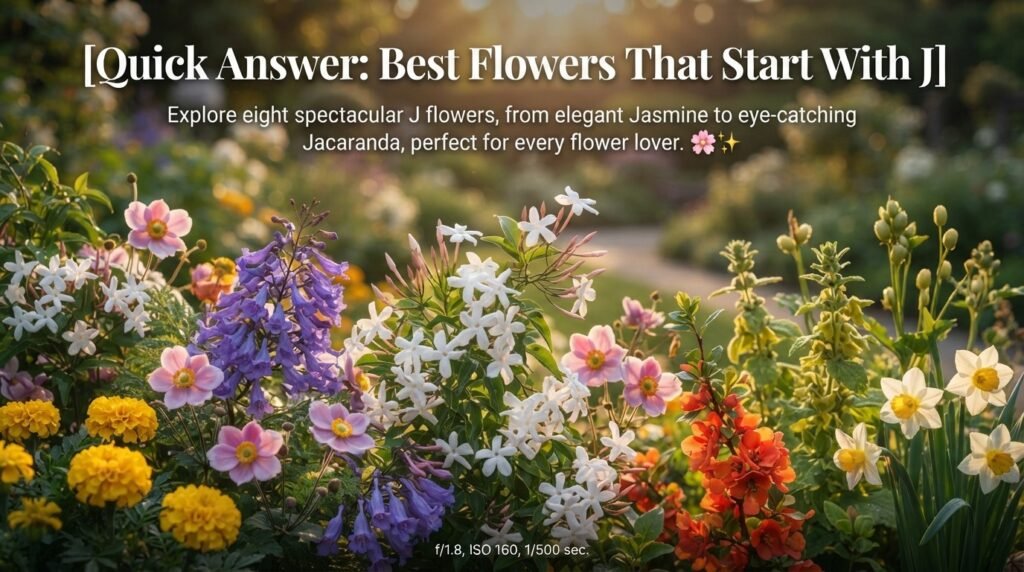
For something bolder, Jade Vine offers rare turquoise flowers found only in the Philippines. Joe Pye Weed is a native pollinator magnet that towers over most garden beds. Jerusalem Cherry is a popular winter houseplant, though it carries real toxicity risks. Jupiter’s Beard blooms almost nonstop through summer with little care. Together, these eight flowers show the real range hiding inside the letter J.
Master Alphabetical List of Flowers That Start With J
This list blends two kinds of names. Some flowers use a common English name, like Johnny Jump Up or Winter Jasmine. Others use a botanical genus name, like Jasione or Jatropha. Both name types are mixed here, so you can scan the full letter J collection at once. Full details on each flower appear in the sections and tables below.
- Jasmine
- Jonquil
- Johnny Jump Up
- Jacob’s Ladder
- Japanese Anemone
- Japanese Iris
- Japanese Primrose
- Jack-in-the-Pulpit
- Jewelweed
- Joe Pye Weed
- Japanese Bellflower
- Jupiter’s Beard
- Jade Vine
- Jewel Orchid
- Jacaranda
- Japanese Cherry Blossom
- Shrimp Plant (Justicia)
- Jaborosa
- Jamaica Plum
- Japanese Camellia
- Japanese Kerria
- Jasmine Tobacco
- Jungle Flame
- Jerusalem Artichoke
- Jerusalem Sage
- Jerusalem Cherry
- Jasione (Sheep’s Bit)
- Arabian Jasmine
- Java Glorybower
- Jatropha
- Job’s Tears
- Judas Tree
- Juneberry
- Jequirity (Rosary Pea)
- Joseph’s Coat
- Winter Jasmine
- Jasmine Nightshade
- Jacobinia (Brazilian Plume)
- Japanese Wisteria
- Japanese Snowbell
- Japanese Rose
- Jack Frost Brunnera
- Jelena Witch Hazel
- Spanish Jasmine
- Japanese Toad Lily
- Night-Blooming Jessamine
- Jack-by-the-Hedge
- Jamesia (Cliffbush)
- Pink Jasmine
- Jonesia (Ashoka Tree)
Some names here sound almost identical, like Jasmine, Winter Jasmine, and Pink Jasmine. These are related but distinct species within the same genus. Others, like Jack Frost and Jelena, are cultivar names rather than full species names. This mix shows how casual and formal naming often overlap in gardening.
Full Comparison Table
The table below compares every flower on this list side by side. It shows the botanical name, native range, main colors, bloom season, and toxicity status. Use it to quickly compare options if you need a specific climate fit or a pet-safe garden. Toxicity notes reflect general guidance from sources like the ASPCA and are not a substitute for veterinary advice.
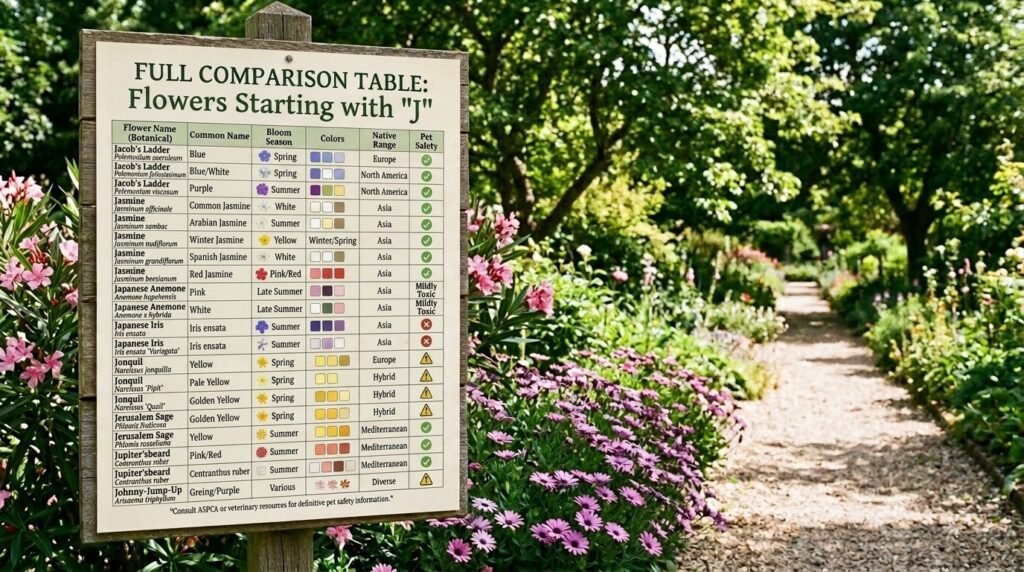
| Flower | Botanical Name | Native Range | Colors | Bloom Season | Toxic to Pets |
| Jasmine | Jasminum officinale | South Asia | White | Summer | No |
| Jonquil | Narcissus jonquilla | Spain, Portugal | Yellow | Early spring | Yes, moderate |
| Johnny Jump Up | Viola tricolor | Europe | Purple, yellow, white | Spring–fall | No |
| Jacob’s Ladder | Polemonium caeruleum | Europe, Asia | Blue, purple | Late spring | No |
| Japanese Anemone | Anemone hupehensis | China | Pink, white | Late summer–fall | Yes, mild |
| Japanese Iris | Iris ensata | Japan, East Asia | Purple, blue, white | Early summer | Yes, mild |
| Japanese Primrose | Primula japonica | Japan | Pink, red, white | Late spring | No |
| Jack-in-the-Pulpit | Arisaema triphyllum | Eastern North America | Green, purple | Spring | Yes, moderate |
| Jewelweed | Impatiens capensis | North America | Orange | Summer–fall | No |
| Joe Pye Weed | Eutrochium purpureum | Eastern North America | Pink, purple | Summer–fall | No |
| Japanese Bellflower | Platycodon grandiflorus | East Asia | Blue, purple, white | Summer | No |
| Jupiter’s Beard | Centranthus ruber | Mediterranean | Red, pink, white | Late spring–fall | No |
| Jade Vine | Strongylodon macrobotrys | Philippines | Turquoise | Spring | No |
| Jewel Orchid | Ludisia discolor | Southeast Asia | White | Winter | No |
| Jacaranda | Jacaranda mimosifolia | South America | Purple | Late spring | No |
| Japanese Cherry Blossom | Prunus serrulata | Japan, China, Korea | Pink, white | Early spring | Mild, pits only |
| Shrimp Plant | Justicia brandegeeana | Mexico | Red, pink, orange | Year-round in warm zones | No |
| Jaborosa | Jaborosa integrifolia | South America | White | Summer nights | Yes, mild |
| Jamaica Plum | Spondias mombin | Tropical Americas | White | Spring | No |
| Japanese Camellia | Camellia japonica | Japan, Korea | Red, pink, white | Winter–spring | No |
| Japanese Kerria | Kerria japonica | China, Japan | Yellow | Mid–late spring | No |
| Jasmine Tobacco | Nicotiana alata | South America | White, pink | Summer–fall | Yes, moderate |
| Jungle Flame | Ixora coccinea | South Asia | Red, orange, yellow | Year-round in warm zones | No |
| Jerusalem Artichoke | Helianthus tuberosus | North America | Yellow | Late summer–fall | No |
| Jerusalem Sage | Phlomis fruticosa | Mediterranean | Yellow | Summer | No |
| Jerusalem Cherry | Solanum pseudocapsicum | South America | White flowers, orange fruit | Summer | Yes, severe |
| Jasione | Jasione montana | Europe | Blue | Summer | No |
| Arabian Jasmine | Jasminum sambac | South Asia | White | Summer | No |
| Java Glorybower | Clerodendrum speciosissimum | Southeast Asia | Red | Summer–fall | No |
| Jatropha | Jatropha integerrima | Cuba, Caribbean | Red | Year-round in warm zones | Yes, severe |
| Job’s Tears | Coix lacryma-jobi | Southeast Asia | Green, gray | Summer–fall | No |
| Judas Tree | Cercis siliquastrum | Mediterranean, Western Asia | Pink, magenta | Spring | No |
| Juneberry | Amelanchier canadensis | North America | White | Early spring | No |
| Jequirity (Rosary Pea) | Abrus precatorius | Africa, Asia | Purple, pink | Summer | Yes, severe |
| Joseph’s Coat | Amaranthus tricolor | Southeast Asia | Red, yellow, green foliage | Summer–fall | No |
| Winter Jasmine | Jasminum nudiflorum | China | Yellow | Late winter | No |
| Jasmine Nightshade | Solanum jasminoides | South America | White, blue-tinged | Summer–fall | Yes, moderate |
| Jacobinia (Brazilian Plume) | Justicia carnea | Brazil | Pink | Summer–fall | No |
| Japanese Wisteria | Wisteria floribunda | Japan | Purple, lavender | Late spring | Yes, moderate |
| Japanese Snowbell | Styrax japonicus | Japan, China, Korea | White | Early summer | No |
| Japanese Rose | Rosa rugosa | East Asia | Pink, white | Summer–fall | No |
| Jack Frost Brunnera | Brunnera macrophylla ‘Jack Frost’ | Caucasus region | Blue | Spring | No |
| Jelena Witch Hazel | Hamamelis x intermedia ‘Jelena’ | Garden hybrid | Orange, copper | Late winter | No |
| Spanish Jasmine | Jasminum grandiflorum | South Asia, Arabia | White | Summer–fall | No |
| Japanese Toad Lily | Tricyrtis hirta | Japan | Purple-spotted white | Late summer–fall | No |
| Night-Blooming Jessamine | Cestrum nocturnum | Caribbean, South America | Greenish white | Summer | Yes, severe |
| Jack-by-the-Hedge | Alliaria petiolata | Europe | White | Spring | No |
| Jamesia (Cliffbush) | Jamesia americana | Western United States | White | Summer | No |
| Pink Jasmine | Jasminum polyanthum | China | Pink, white | Winter–spring | No |
| Jonesia (Ashoka Tree) | Saraca asoca | South Asia | Orange, red | Spring | No |
A few rows deserve extra attention. Jequirity, Jerusalem Cherry, Jatropha, and Night-Blooming Jessamine are all rated as severely toxic.
Garden Favorites
Several J flowers have earned a lasting place in home gardens. Japanese Anemone fills late summer beds with tall, graceful pink or white blooms. Jupiter’s Beard blooms almost continuously from late spring through fall. Joe Pye Weed brings height and pollinator activity to the back of a border. Japanese Iris thrives near ponds and rain gardens where soil stays moist.
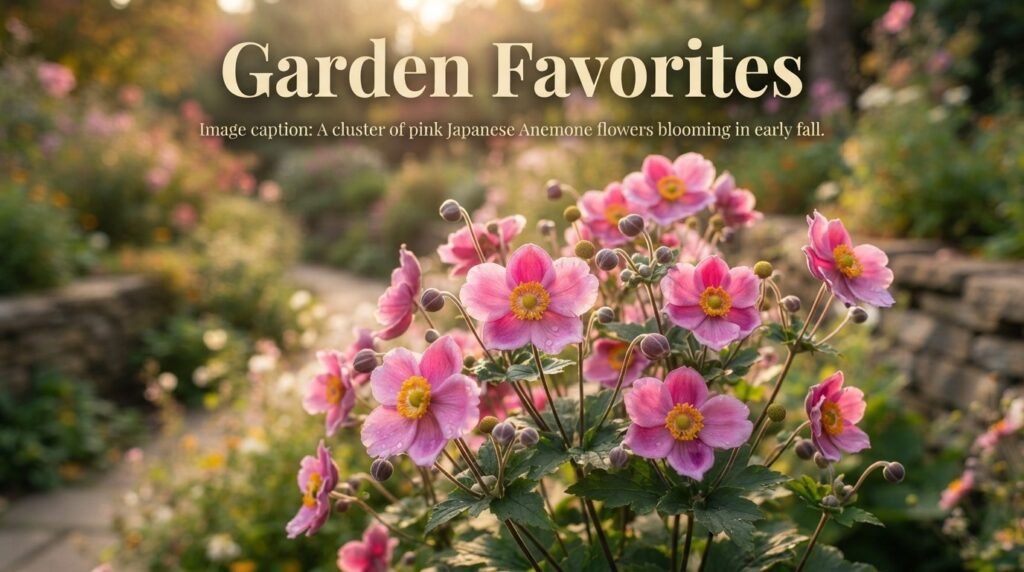
These plants share a few traits that make them dependable choices. Most tolerate a range of soils without much fuss. Many also bloom for an extended stretch, which keeps color going for months. Gardeners often lean on this group because they need little regular attention once established.
- Japanese Anemone – tall, graceful fall color
- Jupiter’s Beard – near-constant summer blooms
- Joe Pye Weed – pollinator favorite for back borders
- Japanese Iris – ideal for pond edges and damp soil
- Jerusalem Sage – drought-tolerant with soft yellow flowers
Each of these plants delivers strong seasonal color without demanding constant care. That balance is exactly why they show up in so many perennial borders.
Indoor Plants
A handful of J flowers also do well indoors. Jewel Orchid is grown mostly for its patterned leaves, though it produces small white flowers too. Jasmine Tobacco can be grown in containers and kept on a bright patio or sunroom. Jerusalem Cherry is a popular winter houseplant, prized for its bright orange fruit. Shrimp Plant tolerates indoor light well and blooms for much of the year.
Indoor growing changes what these plants need most. Light is often weaker indoors, so a bright, south-facing window helps. Humidity tends to drop indoors, especially in winter near heating vents. A pebble tray or occasional misting helps plants like Jewel Orchid stay healthy.
This group brings unusual texture and color into a home, well beyond typical houseplant choices. A single Jewel Orchid or Shrimp Plant can add real personality to an indoor plant collection.
Florist Favorites
Florists reach for a few key J flowers again and again. Jasmine is prized for its sweet scent and delicate white blooms in bridal work. Jonquil brings early, cheerful yellow color to spring arrangements. Japanese Camellia offers a glossy, structured bloom that holds its shape well in arrangements. Jacaranda branches, though less common, add dramatic purple color to large event displays.
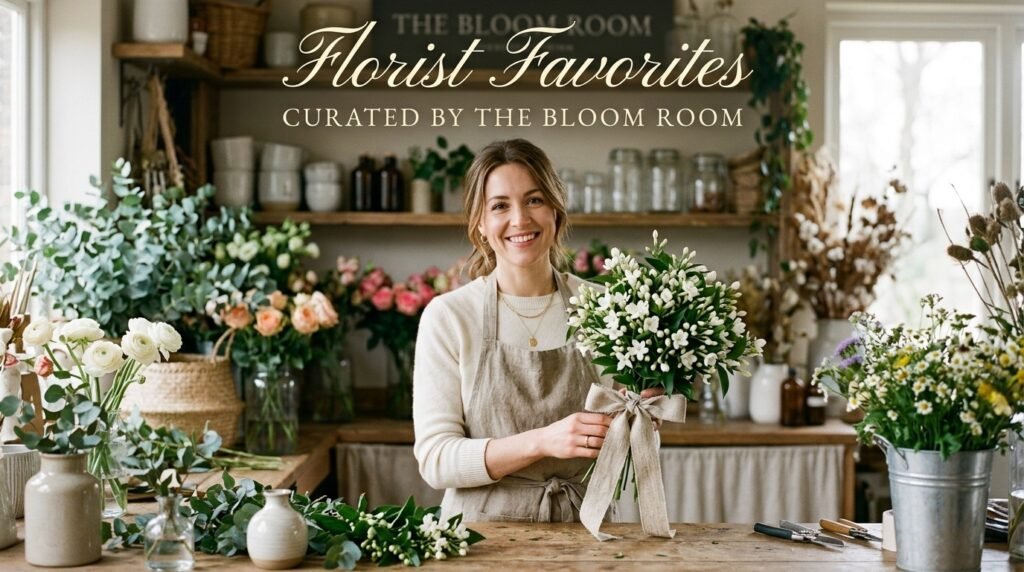
These flowers share traits that matter in the cut-flower trade. Fragrance matters a great deal for Jasmine, since scent is part of its appeal. Vase life matters for Jonquil, which stays fresh for about a week with clean water. Structure matters for Japanese Camellia, since its firm petals resist bruising during transport.
Together, these flowers cover fragrance, early color, and structural interest within a single letter. That range explains why florists return to J flowers each season.
Rare Flowers
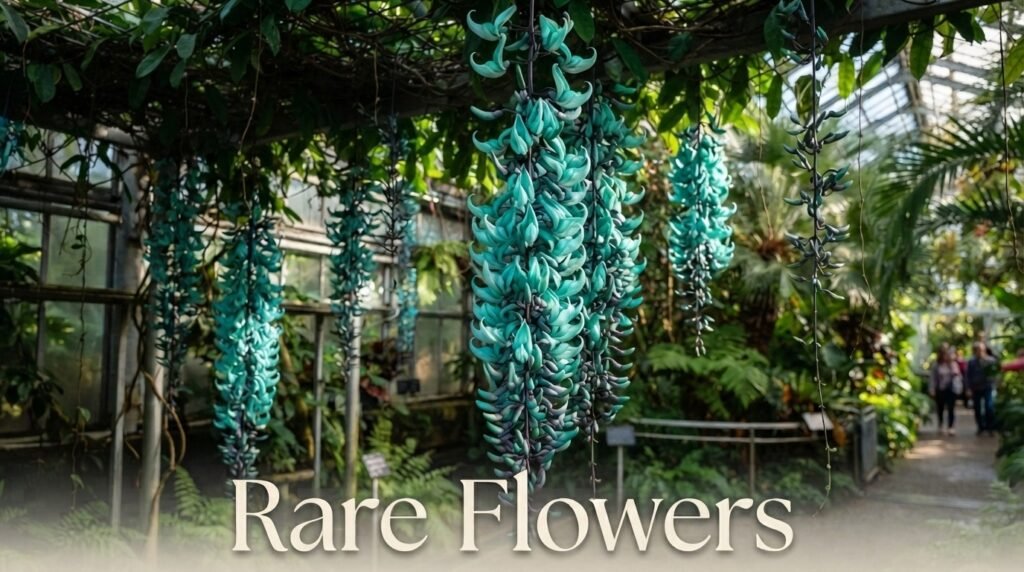
A few J flowers count as true rarities among plant collectors. Jade Vine is one of the rarest, with turquoise, claw-shaped flowers found only in Philippine rainforests. It hangs in long clusters and is pollinated mainly by bats in the wild. Jaborosa is another unusual pick, since its flowers open only at night and close by morning. This nocturnal habit makes it a favorite among gardeners who enjoy evening gardens.
Jonesia, also called the Ashoka tree, is rare outside South Asia, where it holds deep cultural meaning. It produces clusters of orange and red flowers that gradually deepen in color. Jamesia, or cliffbush, is uncommon in cultivation despite being native to parts of the western United States. It prefers rocky, well-drained soil that mimics its natural mountain habitat.
These four flowers show that rarity can come from a narrow habitat, unusual timing, or simple lack of cultivation. Each one rewards a patient, curious gardener willing to seek it out.
Caution and Toxicity
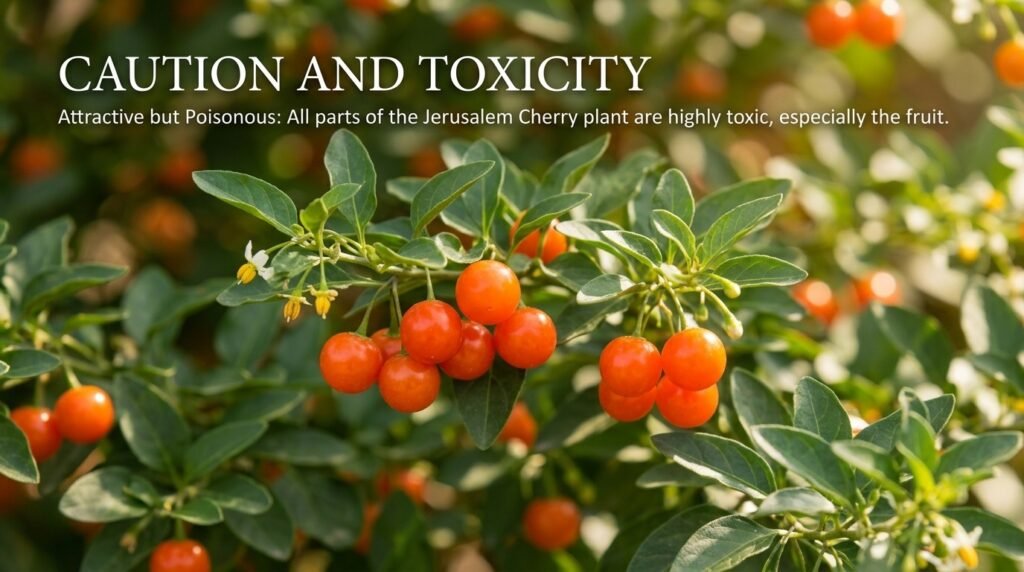
Not every flower that starts with J is safe around pets or small children. Jequirity, or rosary pea, is one of the most dangerous plants in the world, since its seeds contain abrin. Even a single chewed seed can be life-threatening to a person or pet. Jerusalem Cherry is another serious concern, with fruit that contains toxic solanine compounds. Jatropha and Night-Blooming Jessamine round out the most dangerous entries on this list.
Milder cases still deserve attention around curious pets. Jack-in-the-Pulpit contains calcium oxalate crystals that irritate the mouth and throat. Jonquil bulbs can cause vomiting and stomach upset if dug up and chewed. Japanese Wisteria seeds and pods can also cause nausea and stomach pain.
- Jequirity (Rosary Pea) – severe, seeds contain abrin
- Jerusalem Cherry – severe, fruit contains solanine
- Jatropha – severe, sap and seeds are toxic
- Night-Blooming Jessamine – severe, all parts toxic
- Jack-in-the-Pulpit – moderate, causes mouth irritation
- Jonquil – moderate, mainly the bulb
If pets or young children are part of your household, check any new plant before bringing it home. A quick look at the ASPCA’s toxic plant list can prevent a stressful emergency later.
Color-Based Groupings
Color is often the first detail a gardener considers before choosing a plant. Grouping J flowers by color makes planning a bed or bouquet much simpler.
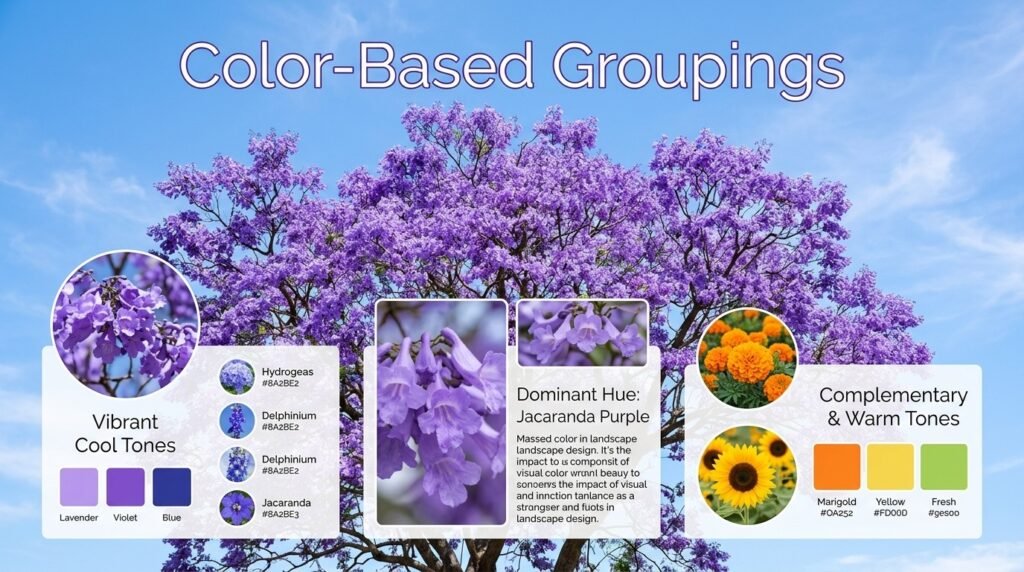
White flowers bring a clean, classic look to almost any setting. Jasmine, Arabian Jasmine, and Japanese Snowbell all fall into this group. These work beautifully near patios and windows, where their fragrance can be enjoyed up close.
Yellow flowers add warmth and cheerful energy to spring gardens. Jonquil, Japanese Kerria, and Winter Jasmine are strong choices here. These flowers often bloom early, bringing color before most other plants wake up.
Purple and blue flowers feel rich and a bit unexpected in a garden. Jacaranda, Japanese Wisteria, and Jacob’s Ladder all offer true purple or blue tones. Jacaranda in particular is famous for turning entire streets purple during peak bloom.
Pink and red flowers bring warmth and romance to beds and bouquets. Japanese Anemone, Judas Tree, and Jungle Flame all fall into this group. These shades work well near entryways or paired with white flowers for contrast.
Color grouping offers a simple planning shortcut, even without deep botanical knowledge. Once you know which J flowers fall into each shade, building a themed garden becomes far easier.
Life-Cycle Groupings
Life cycle affects how much replanting a garden needs each year. Annuals complete their cycle in one season and need replanting. Perennials return on their own for several years or longer. Bulbs, shrubs, and trees each follow their own long-term patterns.
The table below sorts several J flowers by life cycle, so you can plan around your preferred maintenance level. If low upkeep matters most, focus on the perennial, shrub, and tree rows. If you want fast, changeable color, annuals remain the better fit.
Image Caption:
Plan smarter gardens with this quick guide to J flowers, grouped by annual, perennial, shrub, bulb, and tree categories.
| Flower | Life Cycle |
| Jonquil | Bulb |
| Johnny Jump Up | Annual or short-lived perennial |
| Japanese Anemone | Perennial |
| Japanese Iris | Perennial |
| Jupiter’s Beard | Perennial |
| Joe Pye Weed | Perennial |
| Jacaranda | Perennial tree |
| Japanese Camellia | Perennial shrub |
| Japanese Kerria | Perennial shrub |
| Winter Jasmine | Perennial shrub |
| Judas Tree | Perennial tree |
| Juneberry | Perennial tree or shrub |
| Jasmine Tobacco | Annual |
| Joseph’s Coat | Annual |
Trees and shrubs like Jacaranda, Judas Tree, and Japanese Camellia need patience but reward gardeners for decades. Perennials like Japanese Iris and Jupiter’s Beard return each year with minimal replanting. Annuals like Jasmine Tobacco and Joseph’s Coat need fresh planting but offer fast, reliable color in a single season.
Botanical Name Crosswalk
Botanical names matter more than most beginners expect. Common names shift by region, but a botanical name stays consistent worldwide. This becomes important when ordering seeds online or searching for a specific variety at a nursery. It also helps avoid confusion between similarly named plants.
Caption Option 2:
From Jasmine to Japanese Wisteria, explore the scientific names and plant families of stunning J flowers.
The table below matches common J flower names to their botanical names and plant families. Use it if you want to search more precisely or confirm you are buying the correct plant.
| Common Name | Botanical Name | Family |
| Jasmine | Jasminum officinale | Oleaceae |
| Jonquil | Narcissus jonquilla | Amaryllidaceae |
| Jacaranda | Jacaranda mimosifolia | Bignoniaceae |
| Jack-in-the-Pulpit | Arisaema triphyllum | Araceae |
| Japanese Anemone | Anemone hupehensis | Ranunculaceae |
| Jade Vine | Strongylodon macrobotrys | Fabaceae |
| Jerusalem Cherry | Solanum pseudocapsicum | Solanaceae |
| Jequirity (Rosary Pea) | Abrus precatorius | Fabaceae |
| Japanese Wisteria | Wisteria floribunda | Fabaceae |
| Judas Tree | Cercis siliquastrum | Fabaceae |
| Jewelweed | Impatiens capensis | Balsaminaceae |
| Joe Pye Weed | Eutrochium purpureum | Asteraceae |
Notice how many entries belong to the Fabaceae, or pea, family. Jade Vine, Jequirity, Japanese Wisteria, and Judas Tree are all related through this family. That shared background explains some visual similarities, like their pod-shaped seed structures.
Flower Meanings and Symbolism
Flowers have carried symbolic weight for centuries, and J flowers hold some rich stories. Jasmine often symbolizes love, beauty, and sensuality across many cultures. In parts of Asia, it is woven into garlands for weddings and religious ceremonies. Its sweet scent has long been tied to romance in both Eastern and Western traditions.
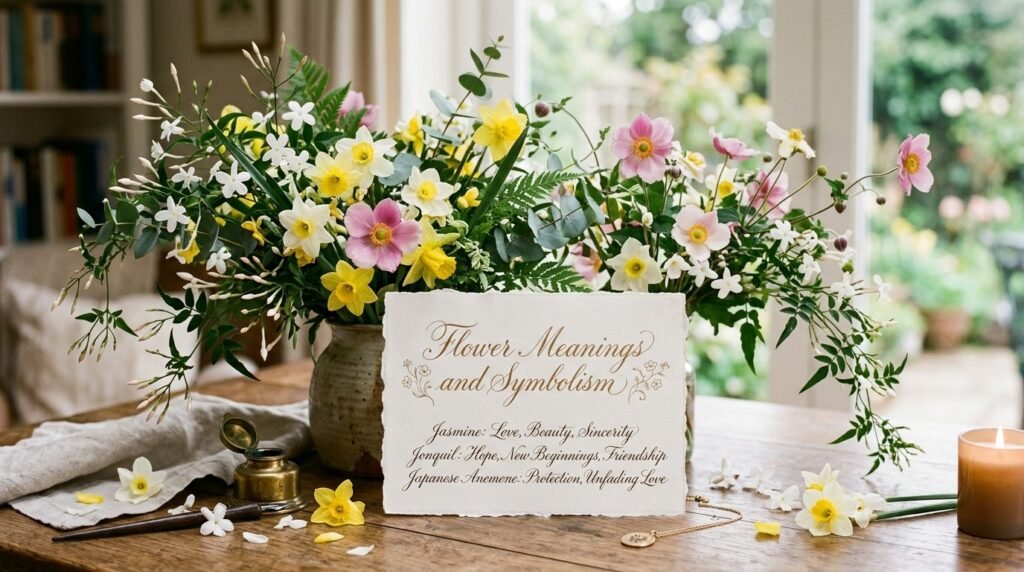
Jonquil carries a more specific message than most spring bulbs. It traditionally symbolizes a desire for affection to be returned. This makes it a popular gift when someone hopes to express early romantic interest. Japanese Anemone, by contrast, often symbolizes anticipation and sincerity, fitting for its late-season, unhurried bloom.
Jacaranda holds cultural weight in the cities where it grows most famously, like Pretoria and Buenos Aires. Its purple bloom season is tied to local traditions, including student folklore about exam luck. Joe Pye Weed carries a different kind of symbolism, tied to healing and traditional herbal medicine. It was named after a Native American healer who reportedly used it to treat fevers.
Judas Tree carries a somber legend in European folklore. Its pink spring blooms are said to mark the tree from which Judas Iscariot hanged himself. This story gave the tree its lasting, if unfortunate, common name. Each of these meanings adds cultural depth to a flower beyond its appearance alone.
Decision-Flow Table: Which J Flower Should You Choose?
Choosing the right flower depends on your specific goal, not just appearance. The table below matches common goals to J flowers that fit well. Start with the row closest to your need, then check the earlier sections for full details.
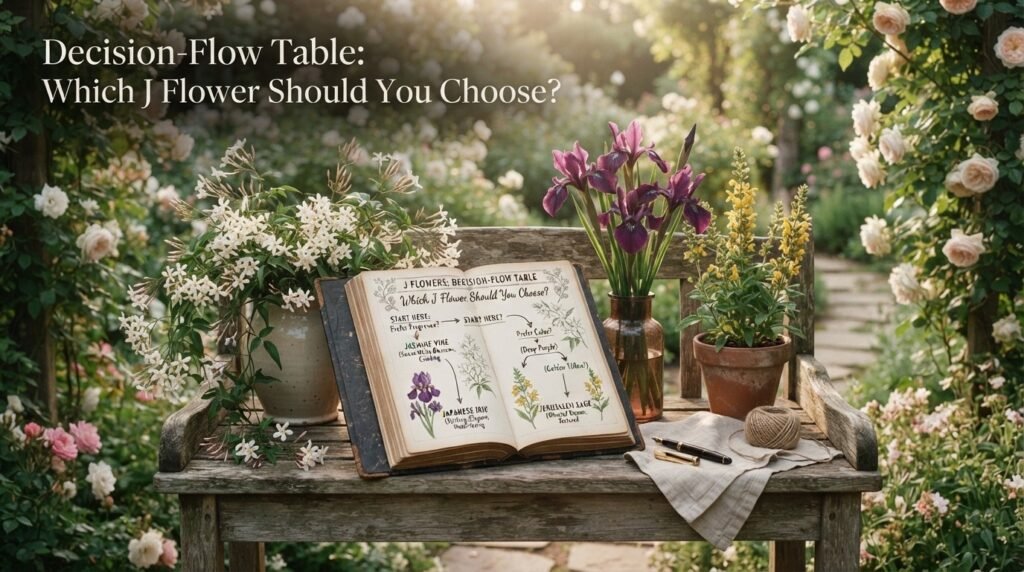
| Your Goal | Recommended J Flower |
| Fragrant vine for a trellis | Jasmine or Spanish Jasmine |
| Flowering tree with dramatic color | Jacaranda |
| Easiest beginner spring bulb | Jonquil |
| Shade-tolerant woodland flower | Jack-in-the-Pulpit or Jewelweed |
| Pollinator-friendly perennial | Joe Pye Weed |
| Winter houseplant color | Jerusalem Cherry (pet-free homes only) |
| Rare collector plant | Jade Vine or Jonesia |
| Pet-safe fragrant flower | Arabian Jasmine |
| Pond-edge or damp-soil flower | Japanese Iris |
| Nearly constant summer bloom | Jupiter’s Beard |
This table works best as a starting point rather than a strict rule. Many gardens benefit from combining several of these flowers. A bed with Japanese Iris, Joe Pye Weed, and Jonquil, for example, covers three different bloom seasons in one space.
Conclusion
Flowers that start with J cover a wide and often surprising range of colors, habits, and uses. From the fragrant Jasmine to the rare Jade Vine, this letter offers real variety for gardeners and florists alike. Whether you want an easy spring bulb, a dramatic flowering tree, or a pet-safe indoor bloom, there is a J flower for it. Use the tables and lists above as a starting point for your next planting project.
Frequently Asked Questions
What are some common flowers that start with J?
Common picks include Jasmine, Jonquil, Japanese Anemone, and Johnny Jump Up. These four are widely sold at nurseries and garden centers. They are also easy to find as seeds, bulbs, or potted plants.
Are there any rare flowers that start with J?
Yes, Jade Vine and Jonesia are both considered rare outside their native regions. Jade Vine grows naturally only in Philippine rainforests. Jonesia is uncommon in cultivation outside South Asia.
Which flowers that start with J are toxic to pets?
Jequirity, Jerusalem Cherry, Jatropha, and Night-Blooming Jessamine are the most toxic. Jonquil and Jack-in-the-Pulpit cause milder reactions in most cases. Always check a plant against the ASPCA list before bringing it near pets.
What is the most fragrant flower that starts with J?
Jasmine is widely considered the most fragrant J flower. Its scent is sweet, rich, and used often in perfumes and teas. Spanish Jasmine is a close second, prized in the perfume industry.
Which J flowers are best for beginners?
Johnny Jump Up and Jonquil are both forgiving and low-maintenance. They tolerate average soil and require little regular attention. Japanese Anemone is another strong choice for shaded or partly shaded beds.
Can Jacaranda trees grow outside tropical climates?
Jacaranda grows best in warm, frost-free climates, typically zones 9 through 11. In cooler climates, it struggles and rarely flowers well. Gardeners in cold regions usually grow it as a container plant instead.