

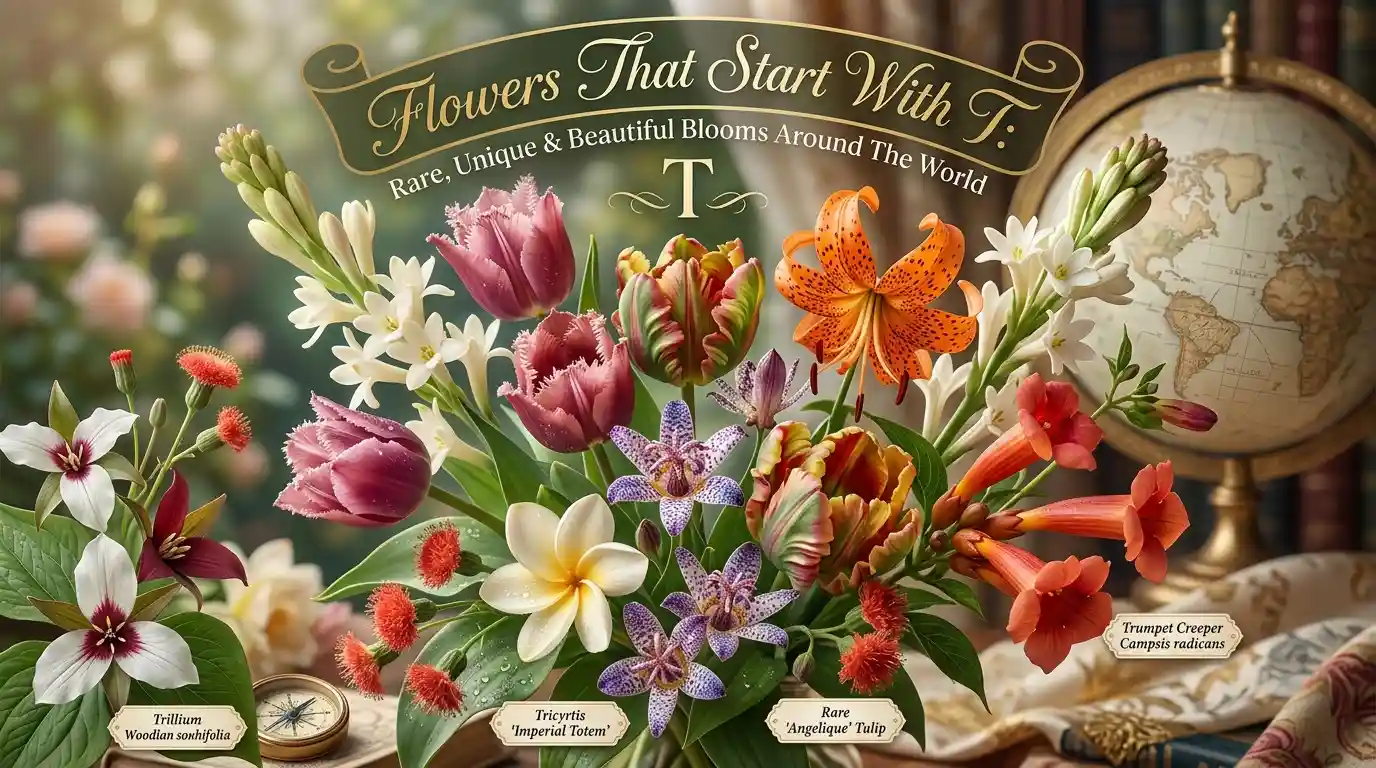
Flowers that start with T form one of the most varied letter groups in the plant world. This letter covers spring bulbs, woodland natives, and bold tropical blooms. It also covers a rare giant flower and a few plants that need real caution around pets. If you love exploring flowers by letter, T offers more range than most people expect.
- Quick Answer: Best Flowers That Start With T
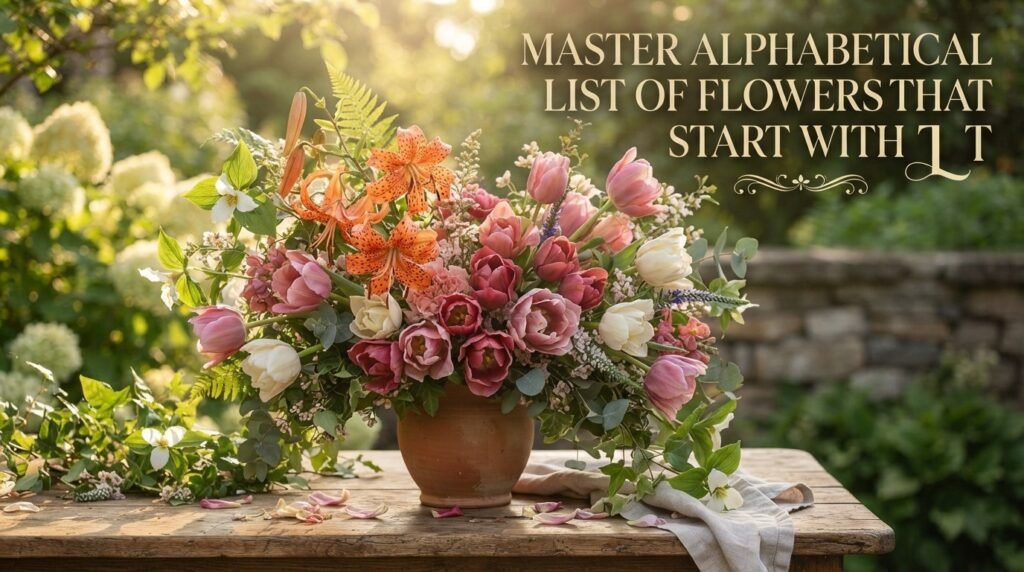
- Master Alphabetical List of Flowers That Start With T
- Full Comparison Table
- Garden Favorites
- Indoor Plants
- Florist Favorites
- Rare Flowers
- Caution and Toxicity
- Color-Based Groupings
- Life-Cycle Groupings
- Botanical Name Crosswalk
- Flower Meanings and Symbolism
- Decision-Flow Table: Which T Flower Should You Choose?
- Conclusion
- Frequently Asked Questions
This guide covers 50 flowers that start with T. Some entries use a common name that starts with T, like Tulip or Tiger Lily. Others use a botanical genus name that starts with T, like Trillium or Tibouchina. We include both types, since gardeners search for plants both ways. Each flower lists a botanical name, native range, and toxicity note where one applies.
We built this guide for several kinds of readers. A home gardener might want reliable, colorful picks for a spring bed. A florist might want bold cut flowers for arrangements and events. A pet owner might want to know which T flowers to keep out of reach. A curious plant lover might simply want fresh facts and photo ideas.
The list is organized by garden use, color, life cycle, and botanical name. Jump to whichever section fits your goal. Every section includes real explanations, not just a row of names. By the end, you will have a full picture of what flowers that start with T can bring to a garden, home, or bouquet.
Quick Answer: Best Flowers That Start With T
If you only have a minute, here are the standout picks. Tulip is the obvious icon of this letter, famous worldwide for its cup-shaped spring blooms. Tiger Lily brings bold, spotted color to summer borders, though it is dangerous for cats. Trillium is a beloved woodland native, prized for its neat three-petaled flowers. Tuberose is treasured for its intense evening fragrance, long used in perfume.
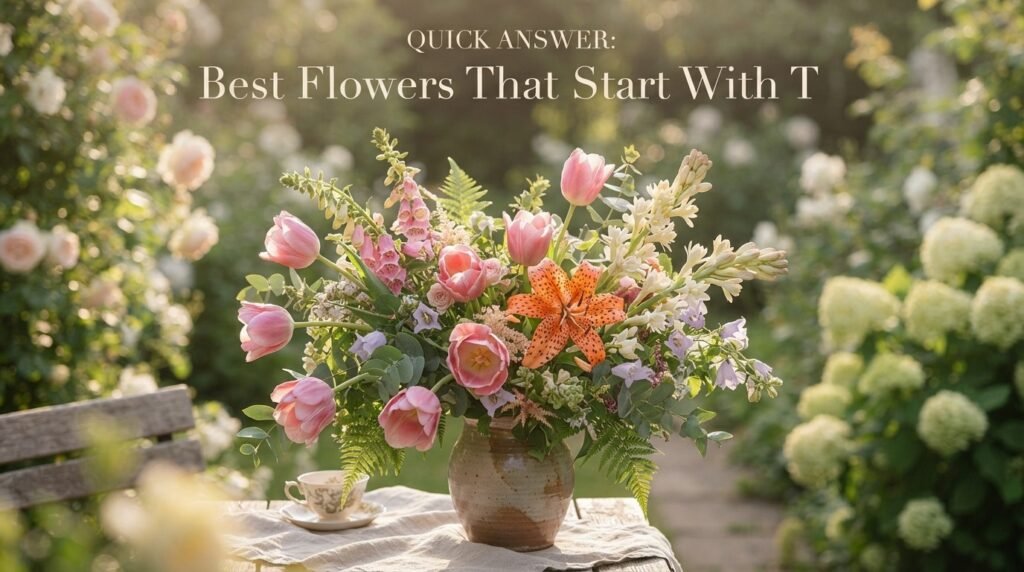
For something rarer, Titan Arum is famous for its huge, dramatic, and famously smelly bloom. Tecophilaea, or Chilean Blue Crocus, is a true collector bulb with vivid blue flowers. Tithonia, or Mexican Sunflower, is a fast-growing pollinator magnet for hot summer gardens. Torch Lily adds striking height and color with its glowing orange-red spikes. Together, these eight flowers show just how much variety hides inside the letter T.
Caption Option 3:
Tulips, Tiger Lilies, Tuberose, and more—meet the standout flowers that make the letter T truly unforgettable. 🌷✨🌿
Master Alphabetical List of Flowers That Start With T
This list mixes two kinds of names. Some flowers use a common English name, like Thrift or Toad Lily. Others use a botanical genus name, like Tibouchina or Tritonia. Both types are grouped here, so you can scan the full letter T collection at once. Full details on each flower appear in the sections and tables below.
- Tulip
- Thistle
- Tansy
- Tiger Lily
- Trillium
- Tithonia (Mexican Sunflower)
- Tropical Milkweed
- Tuberose
- Tassel Flower
- Throatwort
- Tiger Flower
- Texas Mountain Laurel
- Trumpet Vine
- Treasure Flower
- Tagetes (Marigold)
- Turtlehead
- Tritonia
- Tea Rose
- Toadflax
- Thrift
- Torenia (Wishbone Flower)
- Toad Lily
- Torch Lily (Red Hot Poker)
- Tibouchina (Princess Flower)
- Twinspur
- Texas Bluebell (Lisianthus)
- Tecophilaea (Chilean Blue Crocus)
- Tibetan Blue Poppy
- Tweedia
- Titan Arum
- Trout Lily
- Trailing Lobelia
- Tree Peony
- Trumpet Daffodil
- Tahitian Gardenia
- Touch-Me-Not (Jewelweed)
- Tower of Jewels
- Trailing Verbena
- Tuberous Begonia
- Teddy Bear Sunflower
- Texas Sage
- Tickseed (Coreopsis)
- Trumpet Honeysuckle
- Torch Ginger
- Texas Yellow Star
- Tulip Tree
- Trumpet Gentian
- Turk’s Cap Lily
- Tommies (Early Crocus)
- Triteleia (Ithuriel’s Spear)
Some of these names sound almost identical, like Tulip and Tulip Tree, though the plants are unrelated. Others, like Tommies, are informal nicknames rather than full botanical titles. This mix shows how casual and formal naming often overlap across the letter T.
Caption Option 2:
Discover beautiful T flowers featuring colorful blooms, unique forms, and stunning varieties for every type of garden.
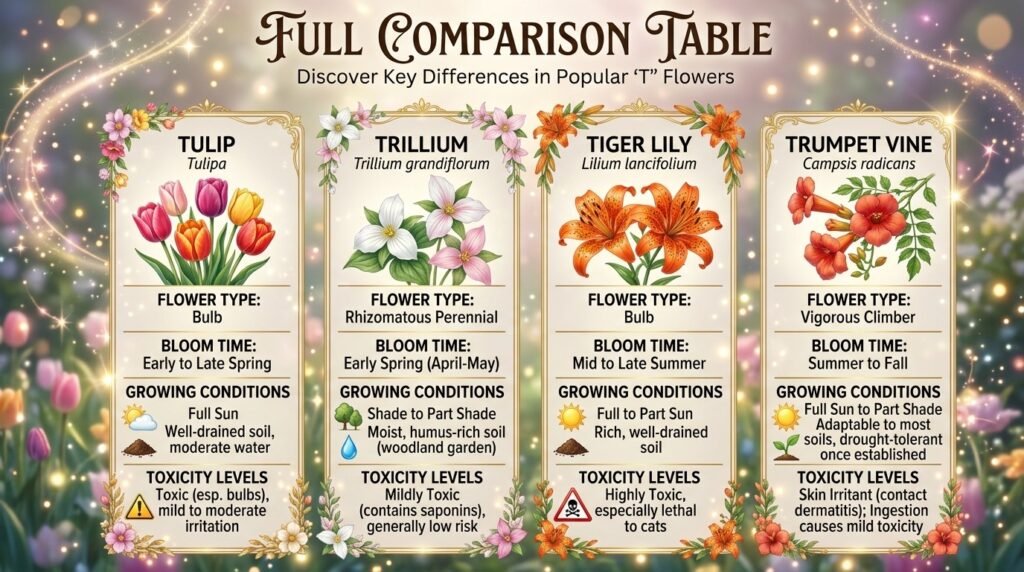
Full Comparison Table
The table below compares every flower on this list side by side. It shows the botanical name, native range, main colors, bloom season, and toxicity status. Use it to quickly compare options if you need a specific climate fit or a pet-safe garden. Toxicity notes reflect general guidance from sources like the ASPCA and are not a substitute for veterinary advice.
| Flower | Botanical Name | Native Range | Colors | Bloom Season | Toxic to Pets |
| Tulip | Tulipa spp. | Central Asia | Red, yellow, pink, purple | Spring | Yes, moderate |
| Thistle | Cirsium vulgare | Europe, Asia | Purple | Summer | No |
| Tansy | Tanacetum vulgare | Europe, Asia | Yellow | Summer | Yes, mild |
| Tiger Lily | Lilium lancifolium | East Asia | Orange with black spots | Summer | Yes, severe (cats) |
| Trillium | Trillium grandiflorum | North America | White, pink, red | Spring | No |
| Tithonia | Tithonia rotundifolia | Mexico, Central America | Orange | Summer–fall | No |
| Tropical Milkweed | Asclepias curassavica | South America | Orange, red, yellow | Summer–fall | Yes, mild |
| Tuberose | Polianthes tuberosa | Mexico | White | Summer–fall | No |
| Tassel Flower | Emilia coccinea | Tropical Africa | Orange, red | Summer | No |
| Throatwort | Trachelium caeruleum | Mediterranean | Blue, purple | Summer | No |
| Tiger Flower | Tigridia pavonia | Mexico, Central America | Orange, red, yellow | Summer | No |
| Texas Mountain Laurel | Dermatophyllum secundiflorum | Southwestern United States, Mexico | Purple | Spring | Yes, severe |
| Trumpet Vine | Campsis radicans | Eastern United States | Orange, red | Summer | Yes, mild |
| Treasure Flower | Gazania rigens | South Africa | Yellow, orange | Summer | No |
| Tagetes (Marigold) | Tagetes erecta | Mexico, Central America | Orange, yellow | Summer–fall | Yes, mild |
| Turtlehead | Chelone glabra | Eastern North America | White, pink | Late summer–fall | No |
| Tritonia | Tritonia crocata | South Africa | Orange | Summer | No |
| Tea Rose | Rosa x odorata | China | Pink, yellow, white | Summer–fall | Mild, thorns only |
| Toadflax | Linaria vulgaris | Europe, Asia | Yellow | Summer–fall | Yes, mild |
| Thrift | Armeria maritima | Coastal Europe, North America | Pink, white | Late spring–summer | No |
| Torenia | Torenia fournieri | Southeast Asia | Purple, blue, white | Summer–fall | No |
| Toad Lily | Tricyrtis hirta | Japan | Purple-spotted white | Late summer–fall | No |
| Torch Lily | Kniphofia uvaria | South Africa | Orange, red, yellow | Summer | No |
| Tibouchina | Tibouchina urvilleana | Brazil | Purple | Summer–fall | No |
| Twinspur | Diascia barberae | South Africa | Pink, coral | Spring–fall | No |
| Texas Bluebell | Eustoma grandiflorum | Central United States, Mexico | Purple, pink, white | Summer | No |
| Tecophilaea | Tecophilaea cyanocrocus | Chile | Blue | Early spring | No |
| Tibetan Blue Poppy | Meconopsis betonicifolia | Himalayas, China | Blue | Early summer | No |
| Tweedia | Oxypetalum caeruleum | Brazil, Uruguay, Argentina | Blue | Summer | Mild, sap irritant |
| Titan Arum | Amorphophallus titanum | Sumatra, Indonesia | Deep red, green | Rare, unpredictable | Yes, mild |
| Trout Lily | Erythronium americanum | Eastern North America | Yellow | Early spring | No |
| Trailing Lobelia | Lobelia erinus | South Africa | Blue, purple, white | Spring–fall | Yes, mild |
| Tree Peony | Paeonia suffruticosa | China | Pink, red, white, yellow | Late spring | Mild |
| Trumpet Daffodil | Narcissus spp. | Spain, Portugal | Yellow, white | Early spring | Yes, moderate |
| Tahitian Gardenia | Gardenia taitensis | Pacific Islands | White | Year-round in warm zones | Yes, mild |
| Touch-Me-Not (Jewelweed) | Impatiens capensis | North America | Orange | Summer–fall | No |
| Tower of Jewels | Echium wildpretii | Canary Islands | Red, pink | Summer | Mild |
| Trailing Verbena | Glandularia canadensis | North America | Purple, pink | Spring–fall | No |
| Tuberous Begonia | Begonia x tuberhybrida | South America | Red, pink, orange, yellow | Summer–fall | Yes, moderate |
| Teddy Bear Sunflower | Helianthus annuus ‘Teddy Bear’ | North America | Yellow | Summer | Mild |
| Texas Sage | Leucophyllum frutescens | Southwestern United States, Mexico | Purple | Summer–fall | No |
| Tickseed (Coreopsis) | Coreopsis lanceolata | North America | Yellow | Summer | No |
| Trumpet Honeysuckle | Lonicera sempervirens | Eastern United States | Red, orange | Spring–fall | No |
| Torch Ginger | Etlingera elatior | Southeast Asia | Red, pink | Year-round in warm zones | No |
| Texas Yellow Star | Lindheimera texana | Southern United States | Yellow | Spring | No |
| Tulip Tree | Liriodendron tulipifera | Eastern North America | Yellow-green, orange | Late spring | No |
| Trumpet Gentian | Gentiana acaulis | European mountains | Blue | Spring–summer | No |
| Turk’s Cap Lily | Lilium superbum | Eastern United States | Orange with dark spots | Summer | Yes, severe (cats) |
| Tommies (Early Crocus) | Crocus tommasinianus | Balkans | Purple, lavender | Late winter–early spring | Yes, mild |
| Triteleia | Triteleia laxa | Western North America | Blue, purple | Late spring | No |
A few rows deserve extra caution. Tiger Lily, Turk’s Cap Lily, and Texas Mountain Laurel are all rated as severely toxic. The two lilies are especially dangerous for cats, even in small amounts. On the safer end, Trillium, Thrift, and Torch Lily are non-toxic and considered beginner-friendly. Tulip and Trumpet Daffodil sit in the middle, with moderate toxicity tied mainly to their bulbs.
Caption Option 3:
Discover the key differences between popular T flowers, including blooming times, growing conditions, and toxicity levels. 🌷📊✨
Garden Favorites
Several T flowers have earned a permanent place in home gardens. Tulip is the obvious classic, filling spring beds with bold, cup-shaped color. Tithonia grows quickly and attracts butterflies through the heat of summer. Torch Lily adds dramatic height and color to a sunny, well-drained border. Texas Sage thrives in hot, dry climates where many other shrubs struggle.
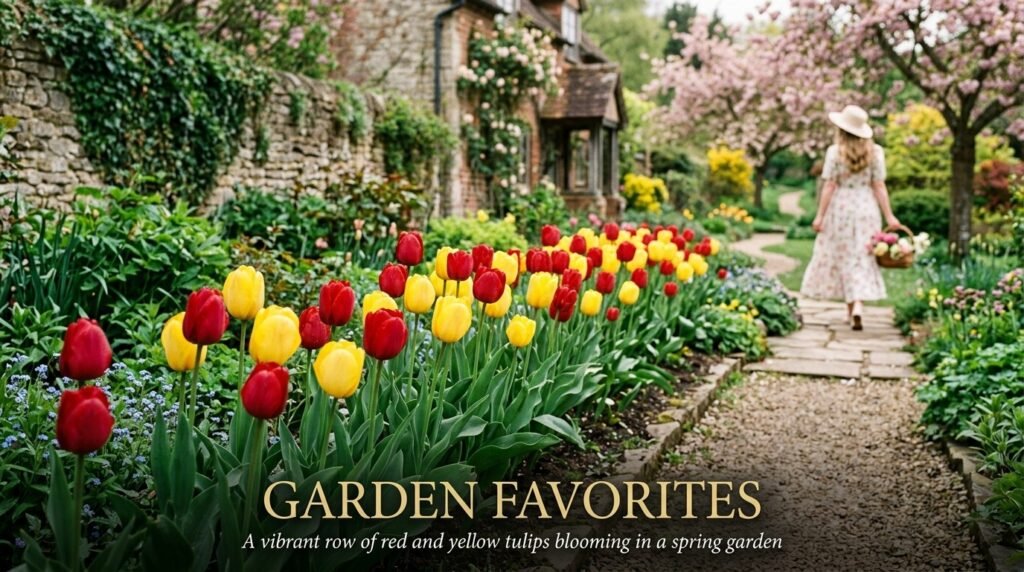
These plants share a few traits that make them garden favorites. Most tolerate heat, drought, or average soil without much extra care. Many also bloom for weeks at a time, which keeps color going through the season. Gardeners often reach for this group first because it forgives beginner mistakes.
- Tulip – classic spring color from a simple bulb
- Tithonia – fast growth, strong butterfly appeal
- Torch Lily – bold vertical color for sunny beds
- Texas Sage – tough, drought-tolerant purple shrub
- Tickseed – long summer bloom with little upkeep
Image caption: A row of red and yellow tulips blooming in a spring garden bed.
Each of these plants rewards fairly light effort with strong, lasting color. That balance is exactly why gardeners return to them year after year.
Indoor Plants
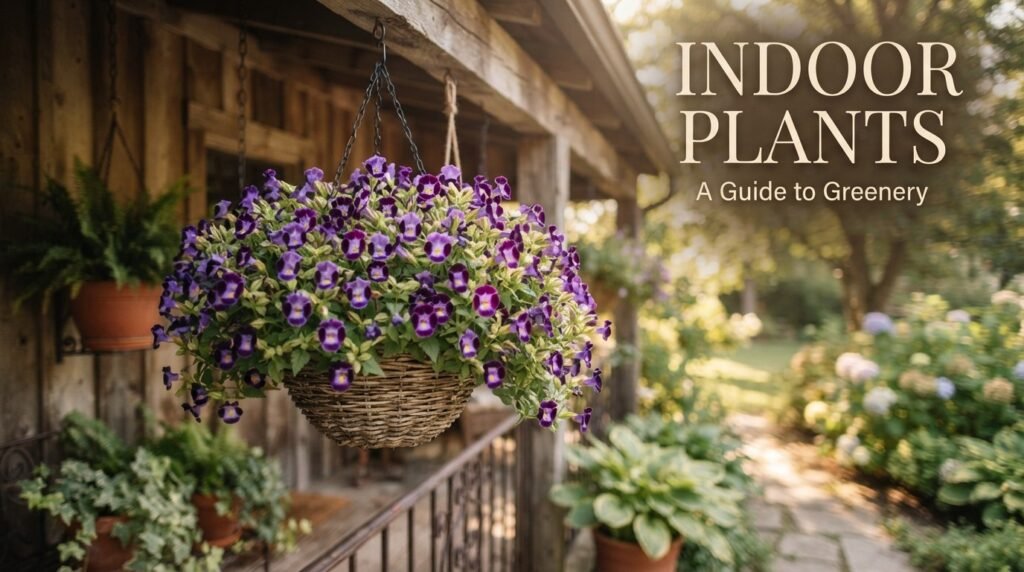
A handful of T flowers also do well indoors. Tuberous Begonia can be grown in containers, producing large, showy blooms on a bright patio or sunroom. Tibouchina can be kept as a container shrub, bringing rich purple color indoors in cooler climates. Torenia does well in hanging baskets, tolerating lower light better than many bedding flowers. Trailing Lobelia works well in indoor containers, spilling over the edge with small blue blooms.
Indoor growing changes what these plants need most. Light matters a great deal indoors, since windows filter out much of the sun’s strength. Humidity often drops too low indoors, especially near heating vents in winter. A pebble tray or occasional misting helps plants like Tuberous Begonia stay healthy.
Image caption: A hanging basket of purple Torenia flowers on a shaded porch.
This group brings bold, unusual color into a home, well beyond typical houseplant choices. A single Tibouchina or Tuberous Begonia can shift the entire mood of a room.
Florist Favorites
Florists reach for a handful of key T flowers again and again. Tulip is a spring staple, valued for its clean lines and wide color range. Tuberose is prized for its powerful, sweet fragrance in evening and bridal arrangements. Tea Rose brings a soft, romantic shape that pairs well with many other cut flowers. Trumpet Honeysuckle, though less common, adds a wild, fragrant touch to garden-style bouquets.
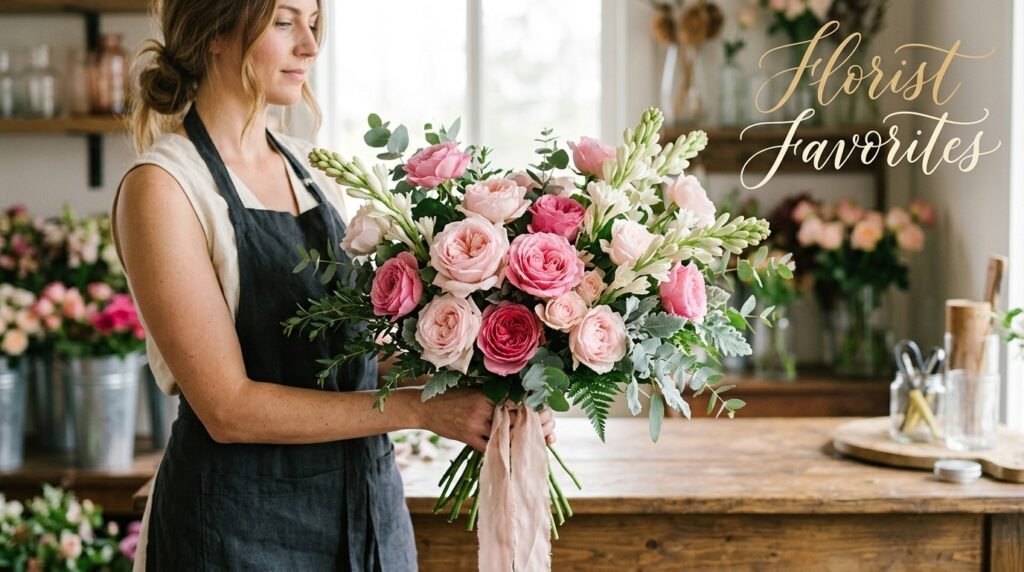
These flowers share traits that matter in the cut-flower trade. Vase life matters for Tulip, which can last about a week with fresh, cool water. Fragrance matters greatly for Tuberose, since scent is central to its appeal. Shape matters for Tea Rose, whose tight, layered petals hold their form during transport.
Image caption: A bouquet of pink Tea Roses paired with white Tuberose stems.
Together, these flowers cover fragrance, shape, and reliable vase life within a single letter. That range explains why florists rely on T flowers throughout the year.
Rare Flowers
A few T flowers count as true rarities among plant collectors. Titan Arum is one of the most famous, producing one of the largest flower structures on Earth. It can take a decade to bloom and often draws crowds when it finally opens. Its strong odor, often compared to rotting flesh, helps it attract pollinating insects in the wild.
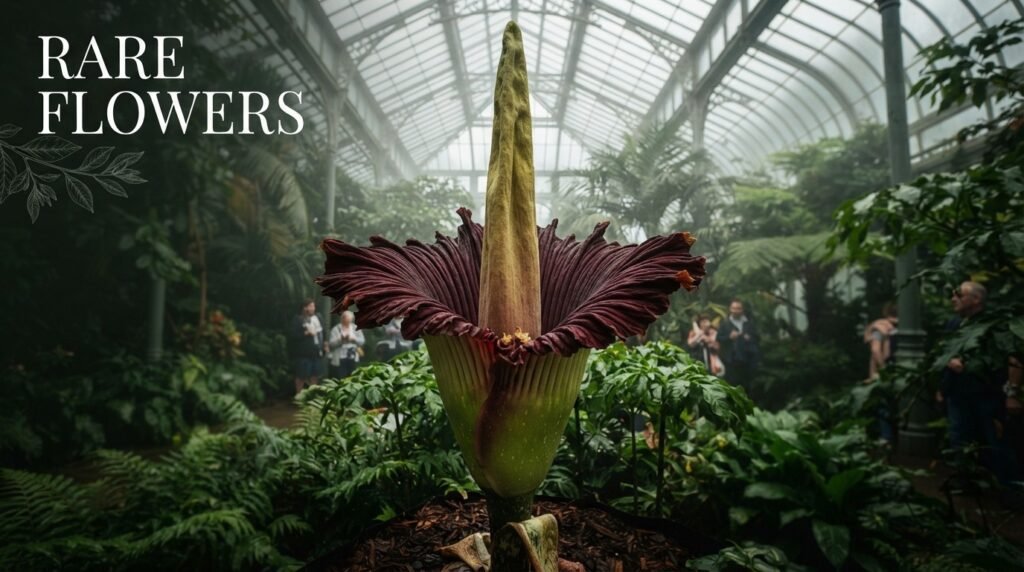
Tecophilaea, or Chilean Blue Crocus, is another true rarity, once thought extinct in the wild. It was later rediscovered in a small area of the Chilean Andes. Tibetan Blue Poppy is prized by collectors for its rare, true-blue petals. It needs cool, moist mountain-like conditions that are hard to recreate in most gardens.
Image caption: The massive dark red bloom of a Titan Arum plant on display.
These three flowers show how rarity can come from a narrow habitat, past extinction risk, or simply difficult growing conditions. Each one rewards a patient gardener or curious traveler willing to seek it out.
Caution and Toxicity
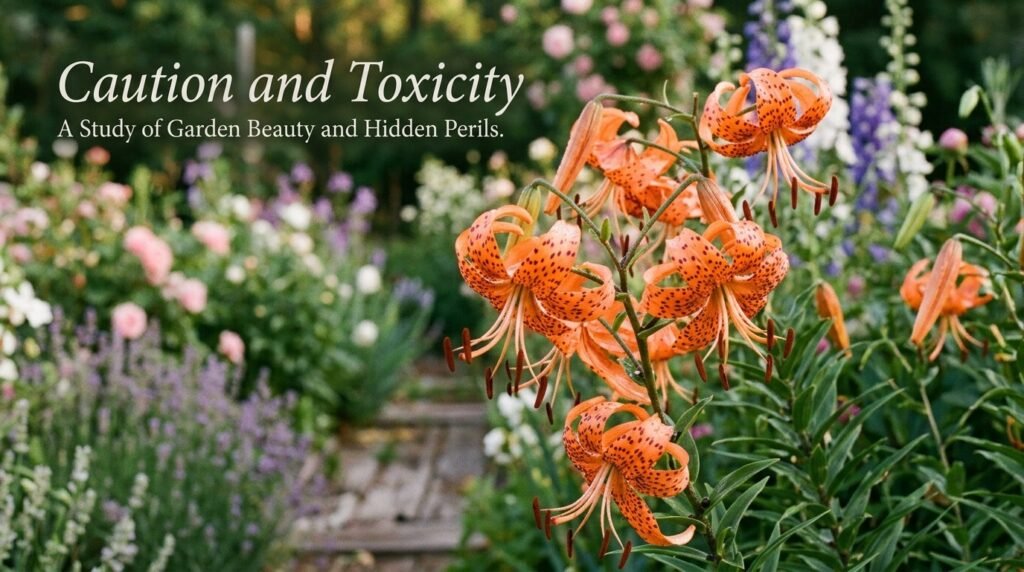
Not every flower that starts with T is safe around pets or small children. Tiger Lily and Turk’s Cap Lily are both extremely dangerous to cats, even in tiny amounts. Every part of these lilies is toxic, including pollen and vase water. Texas Mountain Laurel is another serious concern, since its seeds contain a compound called cytisine. Just one seed can cause serious symptoms if swallowed.
Milder cases still deserve attention around curious pets. Tulip bulbs cause stomach upset and drooling if dug up and chewed. Tuberous Begonia can cause mouth irritation and swelling in dogs and cats. Tommies, or early crocus bulbs, cause similar mild stomach upset.
- Tiger Lily – severe, extremely toxic to cats
- Turk’s Cap Lily – severe, extremely toxic to cats
- Texas Mountain Laurel – severe, seeds contain cytisine
- Tulip – moderate, mainly the bulb
- Tuberous Begonia – moderate, causes mouth irritation
- Tommies – mild, mainly the bulb
Image caption: Orange, black-spotted Tiger Lily flowers in a summer garden.
If pets or young children share your home, always check a new plant before bringing it inside. A quick look at the ASPCA’s toxic plant list can prevent a stressful emergency later.
Color-Based Groupings
Color is often the first detail a gardener considers before picking a plant. Grouping T flowers by color makes planning a bed or bouquet much simpler.

Red and orange flowers bring bold energy to a summer garden. Tithonia, Torch Lily, and Trumpet Vine all fall into this group. These work well in hot, sunny beds where their warm tones stand out clearly.
Purple and blue flowers add a rich, slightly rare tone to any planting. Tibouchina, Texas Bluebell, and Tibetan Blue Poppy all offer true purple or blue shades. Gardeners often use these to balance beds filled with warmer colors.
Yellow flowers bring cheerful, early-season energy to garden beds. Trout Lily, Tickseed, and Toadflax are strong choices here. These flowers often bloom early, adding color before many other plants wake up.
White flowers offer a clean, classic look for evening gardens. Tuberose, Trillium, and Tahitian Gardenia all fall into this group. These shades show up beautifully at dusk, when pale colors catch the last light.
Image caption: A mixed border with orange Torch Lily, purple Tibouchina, and yellow Tickseed.
Color grouping offers a simple shortcut for planning, even without deep botanical knowledge. Once you know which T flowers fall into each shade, building a themed bed becomes far easier.
Life-Cycle Groupings
Life cycle affects how much replanting a garden needs each year. Annuals complete their cycle in one season and need replanting. Perennials return on their own for several years or longer. Bulbs, shrubs, and trees each follow their own long-term patterns.
Caption Option 2:
Plan smarter gardens with T flowers grouped by life cycle, from seasonal annuals to long-lasting perennials and flowering trees.
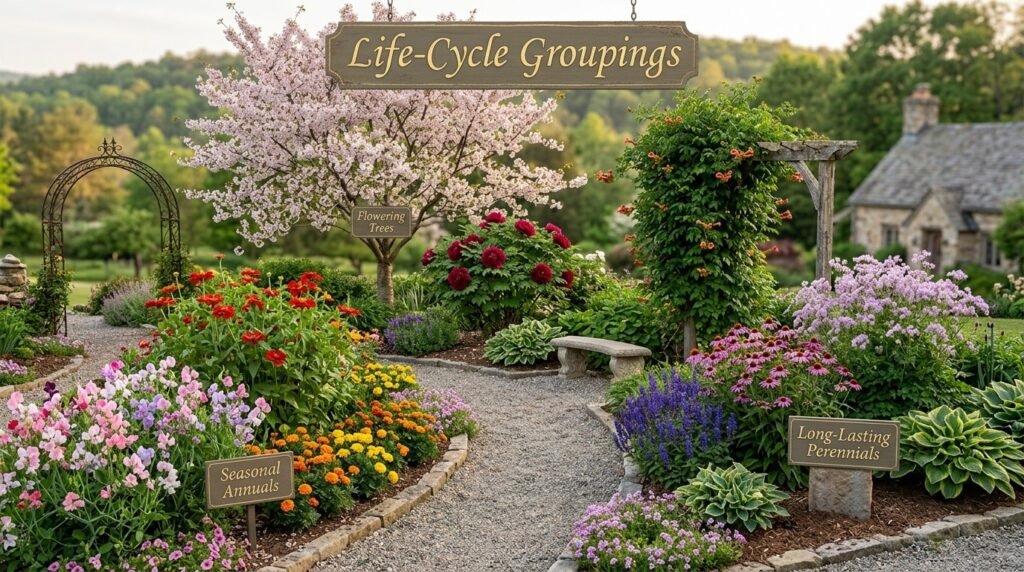
The table below sorts several T flowers by life cycle, so you can plan a garden around your preferred maintenance level. If low upkeep matters most, lean toward the perennial, shrub, and bulb rows. If you want fast, changeable color, annuals remain the better fit.
| Flower | Life Cycle |
| Tulip | Bulb |
| Trumpet Daffodil | Bulb |
| Tommies | Bulb |
| Tecophilaea | Bulb |
| Trillium | Perennial |
| Torch Lily | Perennial |
| Tickseed | Perennial |
| Turtlehead | Perennial |
| Texas Mountain Laurel | Perennial shrub or tree |
| Texas Sage | Perennial shrub |
| Tulip Tree | Perennial tree |
| Tithonia | Annual |
| Torenia | Annual |
| Tuberous Begonia | Tuber, grown as annual in cold zones |
Bulbs like Tulip and Tommies are useful for low-effort spring color that returns yearly. Trees and shrubs like Tulip Tree and Texas Mountain Laurel need patience but reward gardeners for decades. Annuals like Tithonia and Torenia need replanting, but they reward gardeners with fast, reliable color in one season.
Botanical Name Crosswalk
Botanical names matter more than most beginners expect. Common names shift by region, but a botanical name stays consistent worldwide. This becomes important when ordering seeds online or searching for a specific variety at a nursery. It also helps avoid confusion between similarly named plants.
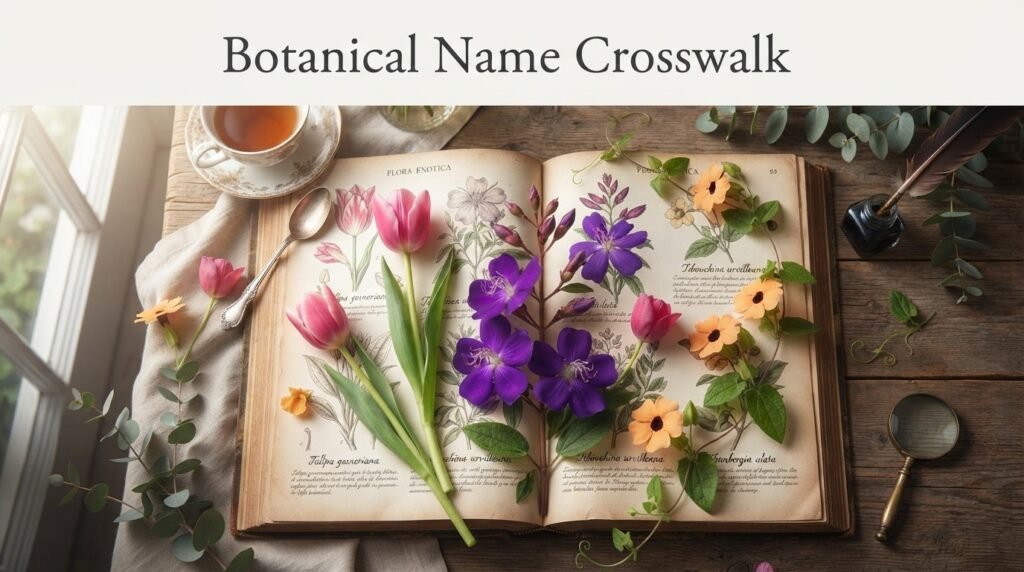
The table below matches common T flower names to their botanical names and plant families. Use it if you want to search more precisely or confirm you are buying the correct plant.
| Common Name | Botanical Name | Family |
| Tulip | Tulipa spp. | Liliaceae |
| Tiger Lily | Lilium lancifolium | Liliaceae |
| Trillium | Trillium grandiflorum | Melanthiaceae |
| Titan Arum | Amorphophallus titanum | Araceae |
| Tibetan Blue Poppy | Meconopsis betonicifolia | Papaveraceae |
| Tuberose | Polianthes tuberosa | Asparagaceae |
| Torch Lily | Kniphofia uvaria | Asphodelaceae |
| Texas Mountain Laurel | Dermatophyllum secundiflorum | Fabaceae |
| Tea Rose | Rosa x odorata | Rosaceae |
| Trumpet Vine | Campsis radicans | Bignoniaceae |
| Tickseed | Coreopsis lanceolata | Asteraceae |
| Tulip Tree | Liriodendron tulipifera | Magnoliaceae |
Notice that Tulip and Tiger Lily share the same plant family despite looking quite different. Both belong to Liliaceae, which explains some of their shared bulb structure. Tulip Tree, by contrast, belongs to a completely different family and has no real relation to true tulips.
Caption Option 3:
Match common T flower names with their botanical identities to make smarter and more confident plant choices. 🌿📖🌷
Flower Meanings and Symbolism
Flowers have carried symbolic meaning for centuries, and tulips hold some rich stories. Tulip traditionally symbolizes perfect or deep love, especially in shades of red. During the Ottoman Empire, tulips also represented wealth and paradise. The famous “Tulip Mania” in the Netherlands later linked the flower to fortune and speculation.
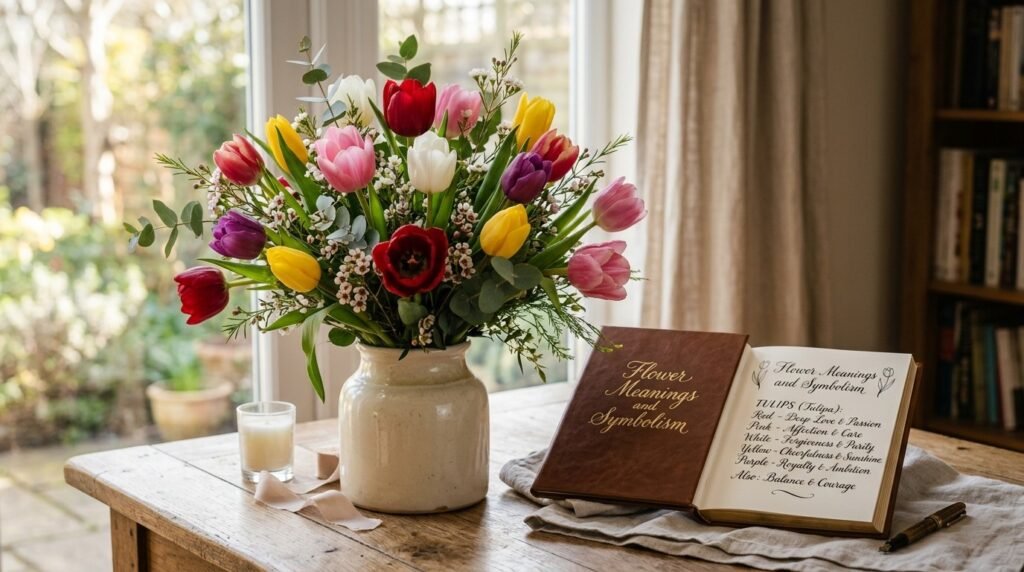
Tiger Lily carries a bolder meaning tied to confidence and wealth. Its bright, spotted petals have long been associated with pride and courage in some cultures. Trillium, by contrast, symbolizes modesty and simple elegance, fitting for its quiet woodland habit. Its three-part structure has also made it a symbol of balance in some traditions.
Tuberose is closely tied to sensuality and dangerous pleasure in Victorian flower language. Its heavy evening fragrance was thought to be intoxicating if enjoyed too closely at night. Thistle carries a very different symbolism, representing resilience and protection. It is closely tied to Scottish national identity and has been used defensively in old garden hedges.
Trumpet Vine symbolizes fame and separation in some older flower dictionaries. Its fast, climbing growth was seen as ambition reaching outward. Each of these meanings adds cultural depth to a flower beyond its simple appearance.
Caption Option 3:
From love and courage to balance and ambition, T flowers carry powerful meanings beyond their stunning appearance. 🌷✨📖
Decision-Flow Table: Which T Flower Should You Choose?
Choosing the right flower depends on your specific goal, not just its looks. The table below matches common goals to T flowers that fit well. Start with the row closest to your need, then check the earlier sections for full details.
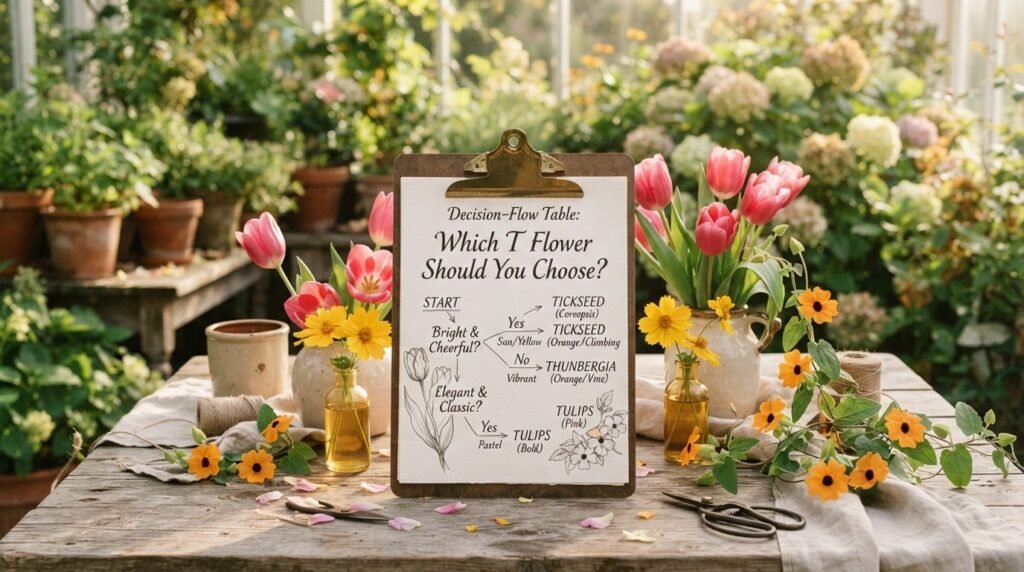
| Your Goal | Recommended T Flower |
| Classic spring bulb color | Tulip |
| Bold summer border color | Tithonia or Torch Lily |
| Fragrant flower for evening gardens | Tuberose |
| Shade-loving woodland flower | Trillium or Toad Lily |
| Pet-safe colorful bloom | Torch Lily or Trillium |
| Rare collector plant | Titan Arum or Tecophilaea |
| Drought-tolerant shrub | Texas Sage |
| Pollinator-friendly perennial | Tickseed or Tithonia |
| Fast-growing flowering vine | Trumpet Vine or Trumpet Honeysuckle |
| Elegant cut flower for arrangements | Tea Rose |
This table works best as a starting point rather than a strict rule. Many gardens benefit from combining several of these flowers. A bed with Tulip, Tickseed, and Torch Lily, for example, covers three different bloom seasons in one space.
Caption Option 3:
This quick guide helps you select the best T flower for beauty, wildlife support, drought tolerance, and year-round garden appeal. 🌷🌿✨
Conclusion
Flowers that start with T cover a remarkably wide range of colors, habits, and uses. From the iconic Tulip to the rare Titan Arum, this letter offers real variety for gardeners and plant lovers alike. Whether you want an easy spring bulb, a fragrant evening bloom, or a pet-safe woodland flower, there is a flower that starts with T for it. Use the tables and lists above as a starting point for your next planting project.
Frequently Asked Questions
What are some common flowers that start with T?
Common picks include Tulip, Tiger Lily, Trillium, and Thistle. These four are widely known and sold at nurseries worldwide. They are also easy to find as seeds, bulbs, or potted plants.
Are there any rare flowers that start with T?
Yes, Titan Arum and Tecophilaea are both considered rare. Titan Arum can take a decade to bloom and rarely flowers in cultivation. Tecophilaea was once thought extinct before being rediscovered in Chile.
Which flowers that start with T are toxic to pets?
Tiger Lily, Turk’s Cap Lily, and Texas Mountain Laurel are the most dangerous. Tulip and Tuberous Begonia cause milder reactions in most cases. Always check a plant against the ASPCA list before bringing it near pets.
What is the most fragrant flower that starts with T?
Tuberose is widely considered the most fragrant T flower. Its scent is intense and sweet, especially strong in the evening. Tea Rose is a close second, with a softer, classic rose fragrance.
Which T flowers are best for beginners?
Tulip and Tickseed are both easy and forgiving for new gardeners. They tolerate average soil and need little regular attention. Tithonia is another strong beginner pick for hot, sunny gardens.
Can Tiger Lily be grown safely if I have cats?
It is best avoided entirely in homes with cats. Every part of the plant is highly toxic, including pollen and vase water. Even a small amount can cause severe kidney damage in cats.
What flower symbolizes perfect love?
Tulip, especially in red, is the flower most closely tied to this meaning. It has carried this symbolism since Ottoman and Dutch traditions began.