

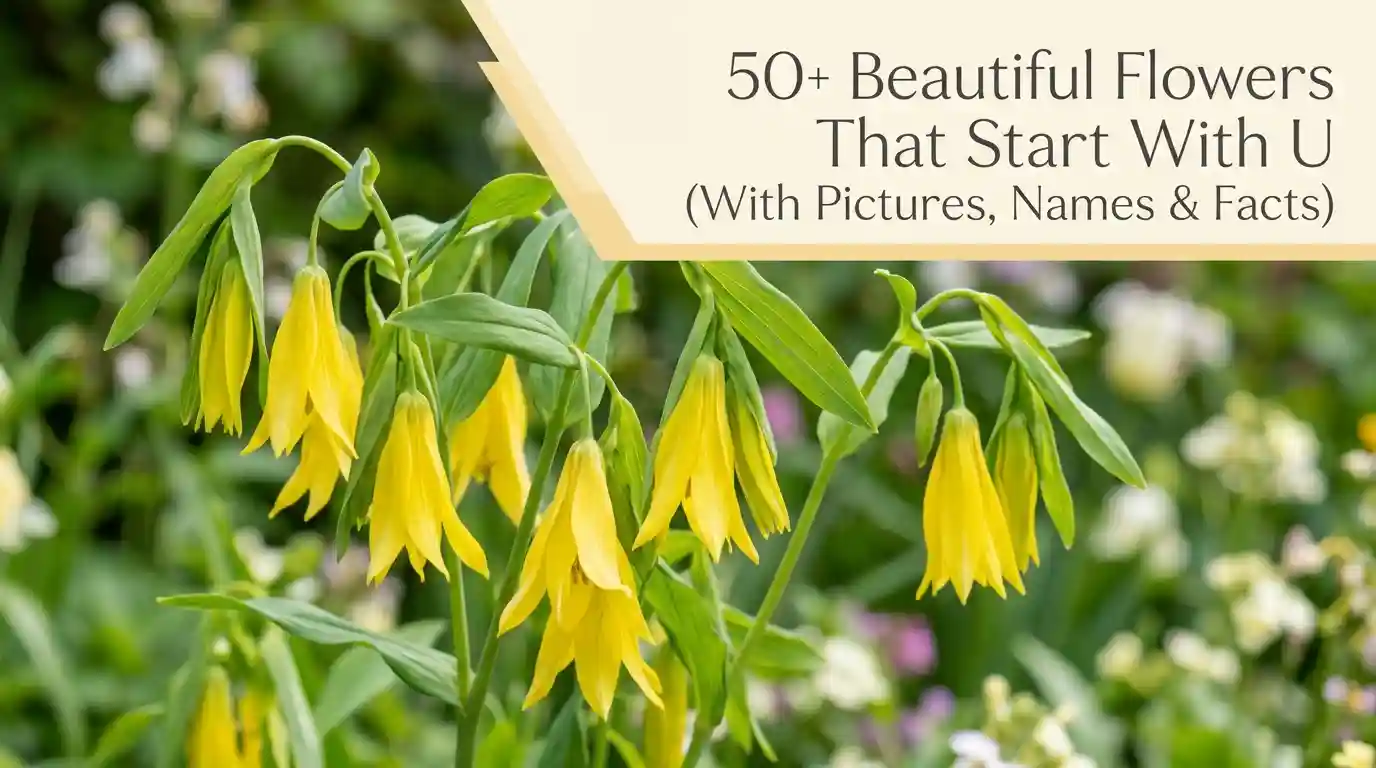
Flowers that start with U are some of the least common in the alphabet, but they hold real variety once you look closely. This letter covers carnivorous bog plants, tough coastal shrubs, and cheerful South African daisies. It also covers rare desert cacti, fragrant spring blossoms, and a few plants better known for other uses that still produce real flowers. If you enjoy exploring flowers letter by letter, you’ll be rewarded with genuine surprises.
- Quick Answer: Best Flowers That Start With U
- Master Alphabetical List of Flowers That Start With U
- Full Comparison Table
- Garden Favorites
- Indoor Plants
- Florist Favorites
- Rare Flowers
- Caution and Toxicity
- Color-Based Groupings
- Life-Cycle Groupings
- Botanical Name Crosswalk
- Flower Meanings and Symbolism
- Decision-Flow Table: Which U Flower Should You Choose?
- Conclusion
- Frequently Asked Questions
This guide covers 50 flowers that start with U, checked against botanical sources rather than guessed or padded. Some entries use a common name that starts with U, like Urn Plant or Unicorn Plant. Others use a botanical genus name that starts with U, like Uvularia or Utricularia. We include both types, since gardeners search for plants both ways. A handful of entries, like Ume and Ipecac, are grown mainly for another purpose, but each still produces a genuine, notable flower, and we say so plainly where that applies.
We built this guide for several kinds of readers. A home gardener might want tough, easy picks for a dry or shaded bed. A florist might want an unusual indoor bloomer for a special display. A pet owner might want to know which U flowers to keep out of reach. A curious plant lover might simply want fresh facts from a letter most people skip past.
The list is organized by garden use, color, life cycle, and botanical name. Jump to whichever section fits your goal. Every section includes real explanations, not just a row of names. By the end, you will have a clear picture of what flowers that start with U can bring to a garden, home, or collection.
Quick Answer: Best Flowers That Start With U
If you only have a minute, here are the standout picks. Urn Plant is the most familiar U flower for most people, grown widely as a bromeliad houseplant with a bold pink bract. Ursinia is a cheerful, easy annual for sunny beds, producing daisy-like yellow and orange blooms. Uvularia, or Bellwort, is a beloved shade perennial for woodland gardens across eastern North America. Unicorn Plant, also called Devil’s Claw, stands out for its odd, curling seed pods after its lavender flowers fade.
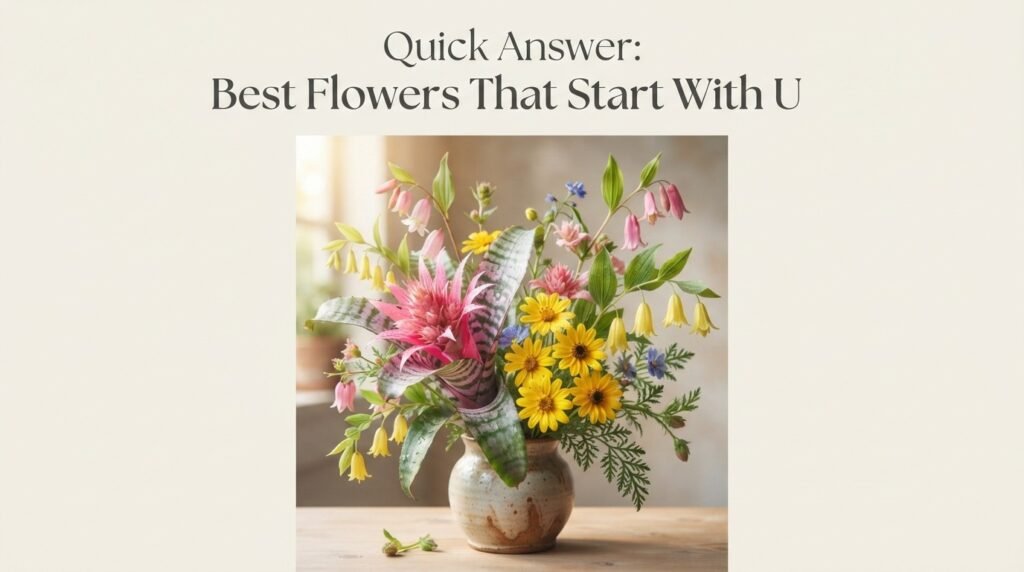
For something rarer, the Uinta Basin Hookless Cactus is a genuinely endangered desert species found only in a small part of Utah. Utricularia, or bladderwort, is a fascinating carnivorous plant that traps insects underwater. Ume, the Japanese apricot, is prized across East Asia for its fragrant late-winter blossoms. Sea Squill, or Urginea maritima, sends up a dramatic white flower spike each fall. Together, these eight flowers show that the letter U holds more character than its small size suggests.
Master Alphabetical List of Flowers That Start With U
This list mixes two kinds of names. Some flowers use a common English name, like Umbrella Plant or Sea Squill. Others use a botanical genus name, like Uraria or Uncarina. Both types are grouped together here, so you can scan the full letter U collection at once. Full details on each flower appear in the sections and tables below.
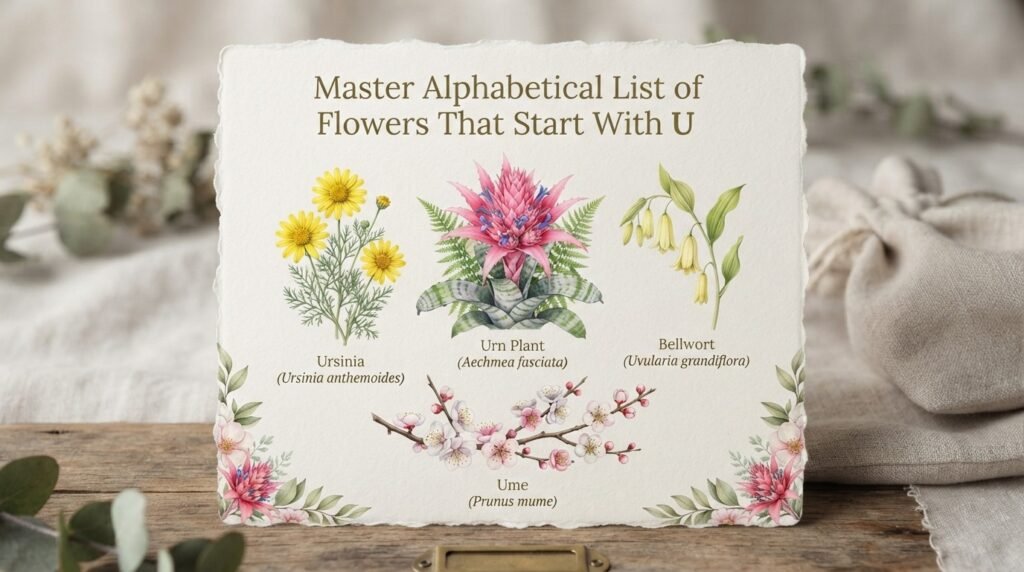
- Urn Plant
- Ursinia
- Ursinia calenduliflora (Parachute Daisy)
- Ursinia chrysanthemoides (Coral Ursinia)
- Ursinia nana (Yellow Margaret)
- Ursinia speciosa
- Uvularia grandiflora (Bellwort)
- Uvularia perfoliata (Strawbell)
- Uvularia sessilifolia (Wild Oats)
- Uvularia hirta
- Ulex europaeus (Common Gorse)
- Ulex gallii (Western Gorse)
- Ulex minor (Dwarf Gorse)
- Uva Ursi (Bearberry)
- Umbrella Magnolia
- Upright Prairie Coneflower
- Upright Clematis
- Utricularia vulgaris (Common Bladderwort)
- Utricularia sandersonii
- Utricularia delphinioides
- Utricularia gibba
- Utricularia bisquamata
- Utricularia longifolia
- Utah Agave
- Utah Penstemon
- Upland White Aster
- Urn Orchid
- Unicorn Plant (Devil’s Claw)
- Umbrella Plant
- Uinta Basin Hookless Cactus
- Uraria crinita
- Uraria picta
- Uvaria chamae
- Uvaria grandiflora
- Utah Serviceberry
- Cat’s Claw Vine (Uña de Gato)
- Urospermum dalechampii
- Urceolina amazonica (Amazon Lily)
- Urceolina urceolata
- Urginea maritima (Sea Squill)
- Urena lobata (Caesarweed)
- Uncarina roeoesliana
- Uncarina grandidieri
- Ipecac (Uragoga)
- Ume (Japanese Apricot Blossom)
- Ulmaria (Meadowsweet)
- Alpine Bearberry
- Chilean Guava Blossom
- Sea Grape Blossom
- Uebelmannia pectinifera
Some of these names repeat a genus with several distinct species, like the six Ursinia entries or the six Utricularia entries. This happens because U is such a small letter that individual genera carry more of the list than usual. Others, like Ipecac and Sea Grape, are plants grown mainly for medicine or fruit that still happen to flower.
Full Comparison Table
The table below compares every flower on this list side by side. It shows the botanical name, native range, main colors, bloom season, and toxicity status. Use it to quickly compare options if you need a specific climate fit or a pet-safe space. Toxicity notes reflect general guidance from sources like the ASPCA and are not a substitute for veterinary advice.
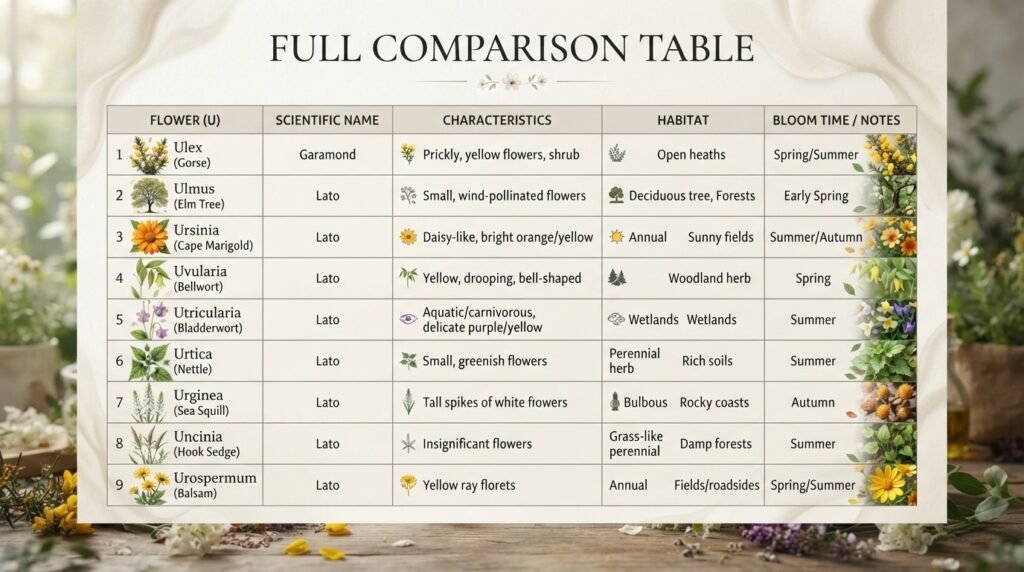
| Flower | Botanical Name | Native Range | Colors | Bloom Season | Toxic to Pets |
| Urn Plant | Aechmea fasciata | Brazil | Pink, purple | Spring–summer | No |
| Ursinia | Ursinia anthemoides | South Africa | Yellow, orange | Spring–summer | No |
| Ursinia calenduliflora | Ursinia calenduliflora | South Africa | Yellow | Spring | No |
| Ursinia chrysanthemoides | Ursinia chrysanthemoides | South Africa | Orange, coral | Spring | No |
| Ursinia nana | Ursinia nana | South Africa | Yellow | Spring | No |
| Ursinia speciosa | Ursinia speciosa | South Africa | Yellow with black center | Spring–summer | No |
| Uvularia grandiflora | Uvularia grandiflora | Eastern North America | Yellow | Spring | No |
| Uvularia perfoliata | Uvularia perfoliata | Eastern North America | Pale yellow | Spring | No |
| Uvularia sessilifolia | Uvularia sessilifolia | Eastern North America | Pale yellow | Spring | No |
| Uvularia hirta | Uvularia hirta | Southeastern United States | Yellow | Spring | No |
| Ulex europaeus | Ulex europaeus | Western Europe | Yellow | Spring, often year-round | No |
| Ulex gallii | Ulex gallii | Western Europe | Yellow | Late summer–fall | No |
| Ulex minor | Ulex minor | Western Europe | Yellow | Late summer–fall | No |
| Uva Ursi | Arctostaphylos uva-ursi | Northern Hemisphere | Pink, white | Spring | Yes, mild |
| Umbrella Magnolia | Magnolia tripetala | Eastern United States | Cream, white | Late spring | No |
| Upright Prairie Coneflower | Ratibida columnifera | North America | Yellow, red | Summer | No |
| Upright Clematis | Clematis integrifolia | Europe, Asia | Blue, purple | Summer | Yes, mild |
| Utricularia vulgaris | Utricularia vulgaris | Worldwide wetlands | Yellow | Summer | No |
| Utricularia sandersonii | Utricularia sandersonii | South Africa | White, lavender | Spring–fall | No |
| Utricularia delphinioides | Utricularia delphinioides | Southeast Asia | Purple, white | Summer | No |
| Utricularia gibba | Utricularia gibba | Worldwide wetlands | Yellow | Summer | No |
| Utricularia bisquamata | Utricularia bisquamata | South Africa | Purple, white | Spring–fall | No |
| Utricularia longifolia | Utricularia longifolia | Brazil | Purple | Summer | No |
| Utah Agave | Agave utahensis | Southwestern United States | Yellow | Summer, once per plant | Yes, mild |
| Utah Penstemon | Penstemon utahensis | Southwestern United States | Pink, red | Spring | No |
| Upland White Aster | Oligoneuron album | North America | White | Late summer–fall | No |
| Urn Orchid | Trichopilia spp. | Central and South America | White, pink | Varies by species | No |
| Unicorn Plant | Proboscidea louisiana | Southwestern United States, Mexico | Pink, lavender | Summer | No |
| Umbrella Plant | Darmera peltata | Western United States | Pink | Spring | No |
| Uinta Basin Hookless Cactus | Sclerocactus wetlandicus | Utah, United States | Pink | Spring | Yes, sharp spines |
| Uraria crinita | Uraria crinita | Southeast Asia | Pink, purple | Summer–fall | No |
| Uraria picta | Uraria picta | South and Southeast Asia | Pink, purple | Summer | No |
| Uvaria chamae | Uvaria chamae | West Africa | Maroon, dark red | Spring–summer | No |
| Uvaria grandiflora | Uvaria grandiflora | Southeast Asia | Red, maroon | Summer | No |
| Utah Serviceberry | Amelanchier utahensis | Western United States | White | Spring | No |
| Cat’s Claw Vine | Dolichandra unguis-cati | Central and South America | Yellow | Summer–fall | Yes, mild sap |
| Urospermum dalechampii | Urospermum dalechampii | Mediterranean Europe | Yellow | Spring–summer | No |
| Urceolina amazonica | Urceolina amazonica | Peru | Orange, yellow | Summer | No |
| Urceolina urceolata | Urceolina urceolata | Peru | Orange | Summer | No |
| Sea Squill | Urginea maritima | Mediterranean | White | Late summer–fall | Yes, severe |
| Urena lobata | Urena lobata | Tropical Asia, Africa | Pink | Summer–fall | No |
| Uncarina roeoesliana | Uncarina roeoesliana | Madagascar | Yellow | Spring–summer | No |
| Uncarina grandidieri | Uncarina grandidieri | Madagascar | Yellow | Spring–summer | No |
| Ipecac | Carapichea ipecacuanha | Central and South America | White | Summer | Yes, severe |
| Ume (Japanese Apricot) | Prunus mume | China | Pink, white, red | Late winter | Yes, mild (seeds/pits) |
| Ulmaria (Meadowsweet) | Filipendula ulmaria | Europe, Asia | Creamy white | Summer | No |
| Alpine Bearberry | Arctos alpina | Arctic, subarctic regions | White, then black berries | Summer | No |
| Chilean Guava Blossom | Ugni molinae | Chile | Pink, white | Late spring | No |
| Sea Grape Blossom | Coccoloba uvifera | Caribbean, Florida | Greenish white | Summer | No |
| Uebelmannia pectinifera | Uebelmannia pectinifera | Brazil | Yellow | Summer | No |
A few rows deserve extra attention. Sea Squill and Ipecac are both rated as severely toxic, and each is grown mostly for reasons other than its flower. Uinta Basin Hookless Cactus stands out as a genuinely rare and protected species, not just an unusual name. On the safer end, Urn Plant, Ursinia, and Uvularia are all non-toxic and considered beginner-friendly for both garden and indoor use.
Garden Favorites
Several U flowers have earned a real place in home gardens. Ursinia is a top pick for sunny beds, since it blooms quickly from seed and tolerates poor soil well. Uvularia thrives in shaded woodland gardens, spreading slowly to form a soft groundcover under trees. Upright Prairie Coneflower brings bold color to native prairie plantings through most of the summer. Common Gorse works well as a tough, spiny hedge in coastal or windy gardens.
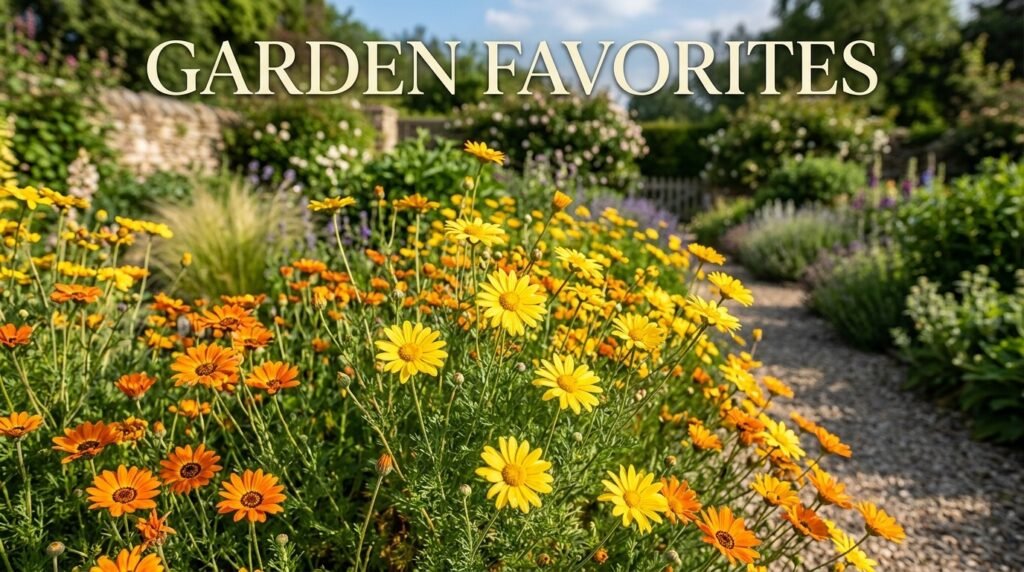
These plants share a few traits that make them dependable garden choices. Most tolerate poor or average soil without needing regular feeding. Many also handle either full sun or deep shade extremely well, depending on the species. Gardeners often choose this group because it fills specific, tricky garden spots that other plants struggle with.
- Ursinia – fast, cheerful annual color for sunny beds
- Uvularia – soft, spreading groundcover for shaded woodlands
- Upright Prairie Coneflower – bold native color for prairie gardens
- Common Gorse – tough, spiny hedge for coastal sites
- Utah Penstemon – drought-tolerant color for dry, rocky beds
Each of these plants solves a specific garden challenge, whether that is dry soil, deep shade, or coastal wind. That practical value is part of why they remain popular within such a small letter group.
Indoor Plants
A handful of U flowers also do well indoors. Urn Plant is the clear leader here, widely sold as a bromeliad houseplant with a long-lasting pink bract. Utricularia sandersonii can be grown in small pots or terrariums, producing tiny white and lavender flowers. Both plants tolerate the lower light levels common in most homes better than many flowering species.
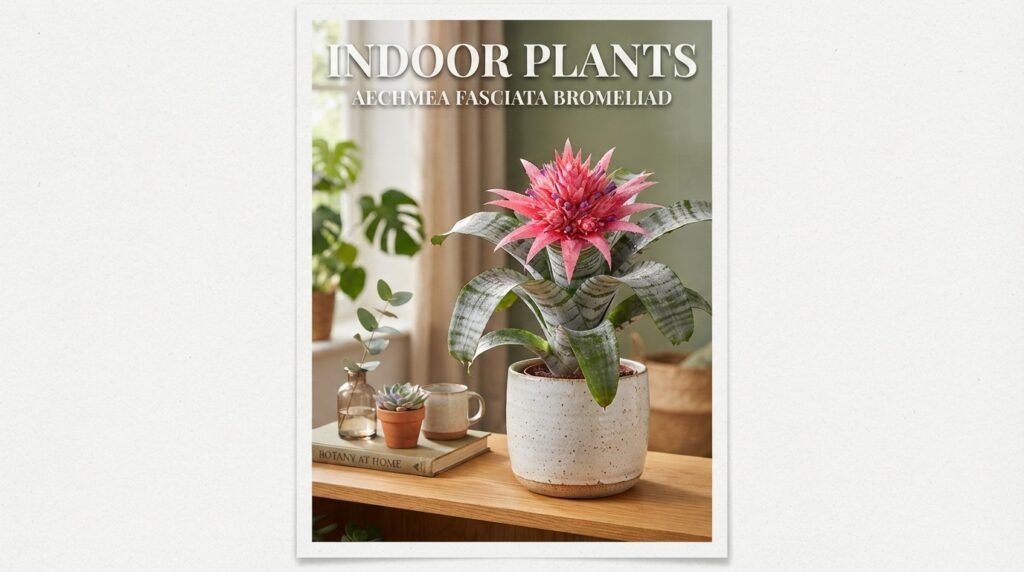
Indoor growing changes what these plants need most. Urn Plant prefers bright, indirect light and a small amount of water held in its central cup. Utricularia sandersonii needs consistently moist, boggy soil, since it is a carnivorous bladderwort by nature. A shallow tray of water underneath its pot helps recreate the wet conditions it needs.
This small group shows that even a rare letter like U can offer real indoor interest. A single blooming Urn Plant or Utricularia can become a genuine conversation piece.
Florist Favorites
Although true cut-flower options beginning with U are limited, several U flowers still appear in floral and ornamental displays. Japanese flower arrangers prize Ume branches for their abundant early blossoms, especially around the New Year. Florists also use Umbrella Magnolia flowers in large, dramatic arrangements, although their strong fragrance can limit their use indoors. Both choices bring a seasonal, almost ceremonial quality that few everyday cut flowers offer.
These two flowers share a common thread: timing and presentation matter more than usual. Ume branches are often displayed bare, with blossoms as the sole visual focus. Umbrella Magnolia flowers are large and short-lived once cut, so they work best as a single dramatic accent rather than a full arrangement.
Because true U-cut flowers are uncommon, florists and growers typically use them as seasonal or cultural features rather than everyday floral stock. That rarity is part of what makes them memorable.
Rare Flowers
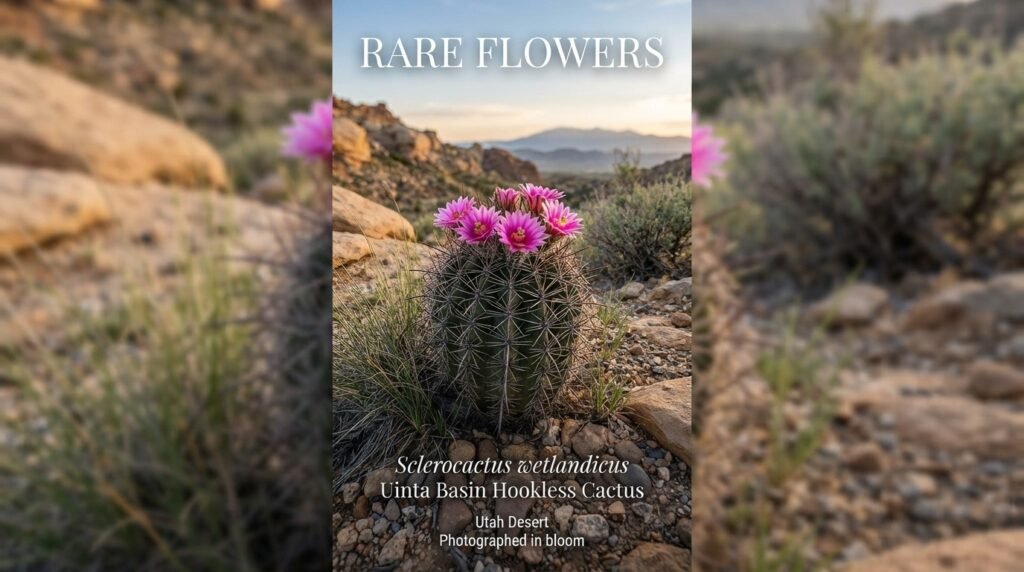
Several U flowers count as genuinely rare, both in nature and in cultivation. The Uinta Basin Hookless Cactus grows only in a narrow strip of Utah’s Uinta Basin, where federal law protects the species. Its small pink flowers appear briefly each spring, and habitat loss has made the species increasingly hard to find in the wild. Urceolina urceolata is another rarity, a Peruvian bulb with orange, urn-shaped flowers rarely seen outside specialist collections.
Uncarina roeoesliana and Uncarina grandidieri are both native only to Madagascar, where habitat pressure has made them less common in the wild than in cultivation. Their bright yellow, funnel-shaped flowers stand out against thick, sculptural stems. Uebelmannia pectinifera, a striking ribbed cactus native to Brazil, produces small yellow flowers, but its dramatic red-brown, wax-covered stem makes it especially popular among collectors.
These entries show that rarity within the letter U often comes from a narrow native habitat or specialist collector interest. Each one rewards a patient grower willing to research its specific needs.
Caution and Toxicity
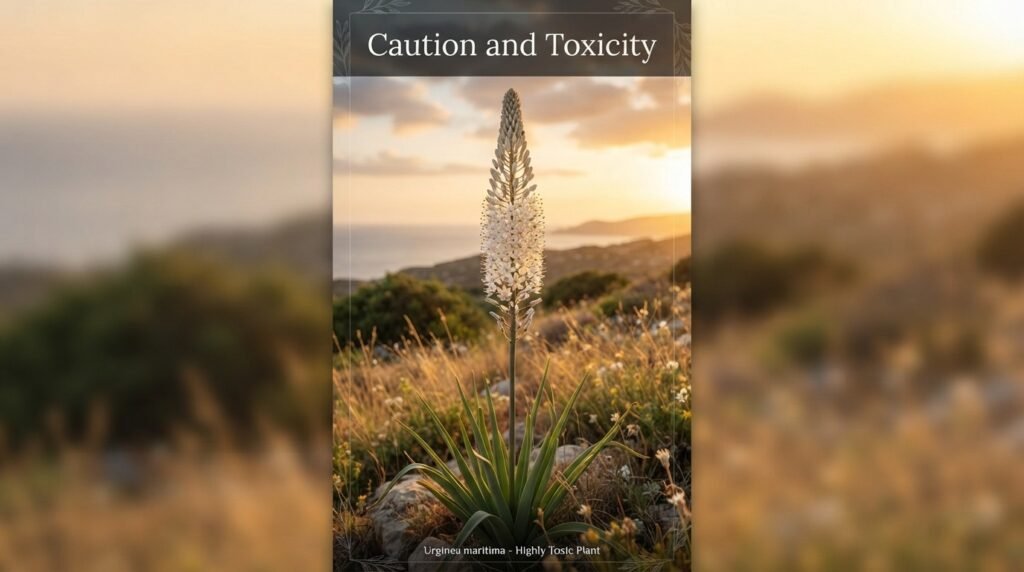
Not every flower that starts with U is safe around pets or small children. Sea Squill is one of the most dangerous entries here, since its bulb contains compounds historically used as rodent poison. Ipecac carries serious risk too, since its roots contain compounds that induce vomiting if ingested in the wrong amount. Both plants should be handled carefully and kept well away from curious pets.
Milder cases still deserve some caution. Uva Ursi can cause mild stomach upset if a large amount of leaves is eaten. Upright Clematis causes similar mild irritation, mainly affecting the mouth and stomach. Utah Agave has sharp, spiny leaf tips that can cause physical injury even before any toxicity comes into play.
- Sea Squill – severe, bulb historically used as rodent poison
- Ipecac – severe, root compounds induce vomiting
- Uva Ursi – mild, mainly from the leaves
- Upright Clematis – mild, causes mouth and stomach irritation
- Utah Agave – mild toxicity plus sharp, injury-causing spines
If pets or young children share your space, it is worth checking any new plant before bringing it home. A quick look at the ASPCA’s toxic plant list can prevent unnecessary worry later.
Color-Based Groupings
Color is often the first detail a gardener considers before choosing a plant. Grouping U flowers by color makes planning a bed or collection easier, even within a smaller letter group.
Yellow flowers are the most common color across this letter. Ursinia, Common Gorse, and Utricularia vulgaris all fall into this group. These flowers often thrive in tough, sunny, or wet conditions where other colors are harder to find.
Pink flowers bring softness to both garden beds and indoor displays. Urn Plant, Uraria crinita, and Umbrella Plant all offer real pink tones. These work especially well in shaded beds or container displays near a patio.
White and cream flowers add a clean, classic look to gardens and spring displays. Umbrella Magnolia, Sea Squill, and Ulmaria all fall into this group. These flowers often stand out best in the evening, when pale colors catch the last light.
Purple and lavender flowers feel rare within this letter, making them especially notable. Utricularia sandersonii, Upright Clematis, and Utricularia longifolia all offer true purple or lavender shades. Gardeners often use these to add contrast to a bed dominated by yellow tones.
Color grouping offers a useful shortcut for planning, even within a smaller letter like U. Once you know which flowers fall into each shade, building a themed display becomes much easier.
Life-Cycle Groupings
The life cycle affects how much replanting a garden needs each year. Annuals complete their cycle in one season and need replanting. Perennials return on their own for several years or longer. Bulbs, shrubs, and slow-growing succulents each follow their own longer-term patterns.
The table below sorts several U flowers by life cycle, so you can plan around your preferred maintenance level. If low upkeep matters most, lean toward the perennial and shrub rows. If you want fast, seasonal color, Ursinia remains the easiest annual choice.
| Flower | Life Cycle |
| Ursinia | Annual |
| Uvularia grandiflora | Perennial |
| Common Gorse | Perennial shrub |
| Uva Ursi | Perennial groundcover |
| Umbrella Magnolia | Perennial tree |
| Utricularia vulgaris | Perennial (aquatic) |
| Utah Agave | Perennial, blooms once |
| Uinta Basin Hookless Cactus | Perennial |
| Sea Squill | Bulb |
| Ume | Perennial tree |
| Urn Plant | Perennial (bromeliad) |
| Ulmaria | Perennial |
Trees and shrubs like Umbrella Magnolia and Ume need patience but reward gardeners for decades. Perennials like Uvularia and Uva Ursi return each year reliably with little replanting. Ursinia stands out as the main true annual here, needing fresh seed each season but rewarding gardeners with fast, easy color.
Botanical Name Crosswalk
Botanical names matter more than most beginners expect. Common names shift by region, but a botanical name stays consistent worldwide. This becomes especially useful within the letter U, where several unrelated plants share similar-sounding common names. It also helps confirm you are buying the exact species you intended.
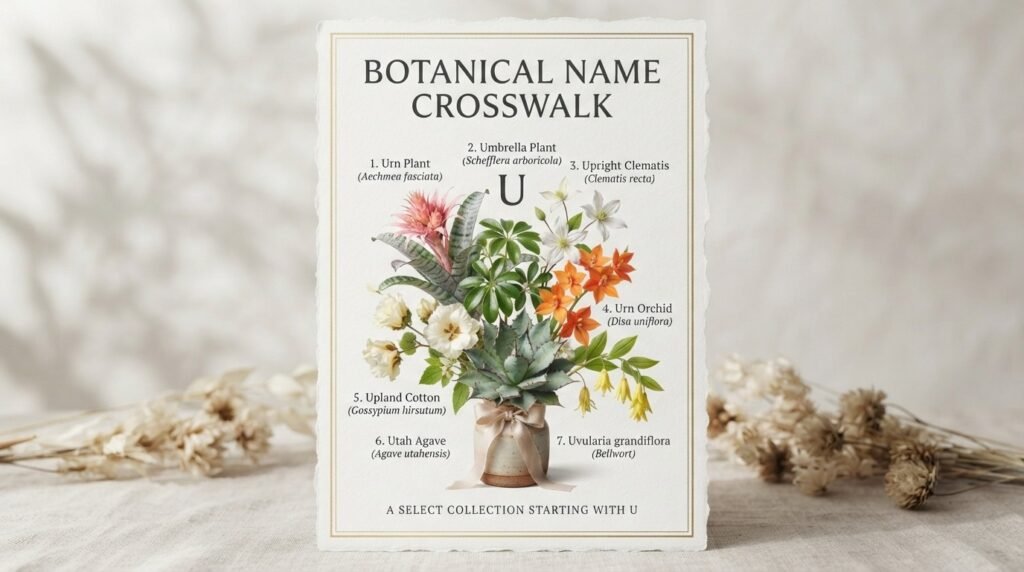
The table below matches common U flower names to their botanical names and plant families. Use it if you want to search more precisely or confirm you are buying the correct plant.
| Common Name | Botanical Name | Family |
| Urn Plant | Aechmea fasciata | Bromeliaceae |
| Ursinia | Ursinia anthemoides | Asteraceae |
| Uvularia (Bellwort) | Uvularia grandiflora | Colchicaceae |
| Common Gorse | Ulex europaeus | Fabaceae |
| Uva Ursi | Arctostaphylos uva-ursi | Ericaceae |
| Umbrella Magnolia | Magnolia tripetala | Magnoliaceae |
| Common Bladderwort | Utricularia vulgaris | Lentibulariaceae |
| Sea Squill | Urginea maritima | Asparagaceae |
| Ipecac | Carapichea ipecacuanha | Rubiaceae |
| Ume | Prunus mume | Rosaceae |
| Ulmaria (Meadowsweet) | Filipendula ulmaria | Rosaceae |
| Unicorn Plant | Proboscidea louisiana | Martyniaceae |
Notice that Ume and Ulmaria both belong to the Rosaceae family, despite looking quite different. This shared family also includes roses, apples, and many other familiar spring-blooming plants. Sea Squill, by contrast, belongs to Asparagaceae, placing it closer to true squills and agaves than to true lilies.
Flower Meanings and Symbolism
Flowers have carried symbolic meaning for centuries, and a few U flowers hold genuinely rich stories. Ume, the Japanese apricot, symbolizes hope, renewal, and resilience across Japan, Korea, and China. Its blossoms open in late winter, often pushing through the snow, and this hardy display has made the flower a symbol of perseverance through hardship. Poets in East Asia have written about Ume blossoms for centuries as a symbol of quiet strength.
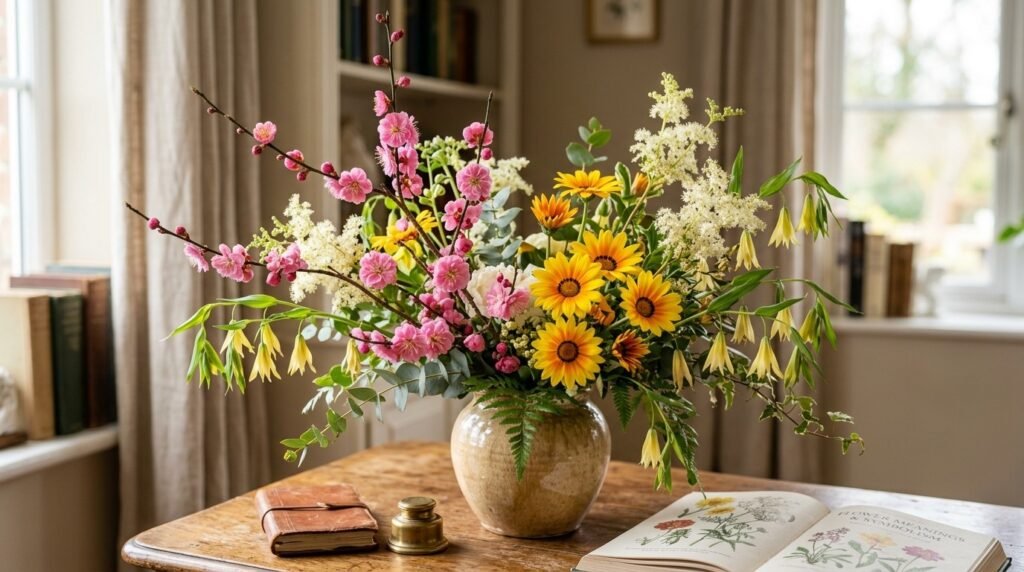
Uvularia, or Bellwort, carries a simpler folk meaning tied to modesty and gentle beauty. Its nodding, bell-shaped flowers seem to bow toward the ground, which early naturalists linked to humility. Ursinia, named after the German botanist Johann Ursinus, does not carry deep traditional symbolism, but its bright, sunny color has made it a popular symbol of cheerfulness in modern floral design.
In medieval Europe, people associated Meadowsweet, or Ulmaria, with love and happiness. They often scattered it across floors during weddings and celebrations because of its sweet fragrance. Sea Squill carries a more cautionary symbolism in some Mediterranean traditions, tied to protection and warding off harm, likely due to its long history as a natural pest deterrent. Each of these meanings adds real depth to a letter group that many people overlook entirely.
Decision-Flow Table: Which U Flower Should You Choose?
Choosing the right flower depends on your specific goal, not just its rarity. The table below matches common goals to U flowers that fit well. Start with the row closest to your need, then check the earlier sections for full details.
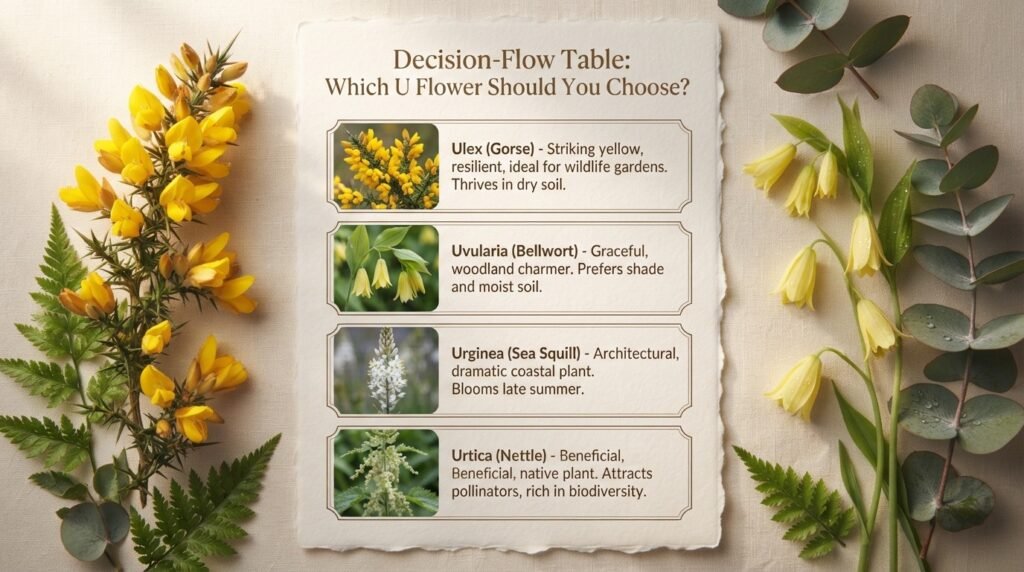
| Your Goal | Recommended U Flower |
| Easy annual color for a sunny bed | Ursinia |
| Shade-loving woodland groundcover | Uvularia grandiflora |
| Indoor bromeliad color | Urn Plant |
| Tough hedge for coastal or windy gardens | Common Gorse |
| Fragrant late-winter blossom | Ume |
| Rare collector cactus | Uinta Basin Hookless Cactus |
| Carnivorous plant for a terrarium | Utricularia sandersonii |
| Drought-tolerant color for dry beds | Utah Penstemon |
| Native prairie or wildflower planting | Upright Prairie Coneflower |
| Dramatic spring flowering tree | Umbrella Magnolia |
This table works best as a starting point rather than a strict rule. Even within a smaller letter group, a few U flowers can be combined for real variety. A bed with Ursinia, Uvularia, and Uva Ursi, for example, covers three very different textures and light needs.
Conclusion
Flowers that start with U may be limited in number, but they offer real depth once you look past the short list. From the familiar Urn Plant to the rare Uinta Basin Hookless Cactus, this letter rewards curiosity with genuine variety. Whether you want easy annual color, a shaded groundcover, or a rare collector plant, there is a flower that starts with U worth exploring. Use the tables and lists above as a starting point for your next planting project.
Frequently Asked Questions
What are some common flowers that start with U?
Common picks include Urn Plant, Ursinia, Uvularia, and Common Gorse. These are the most widely sold and recognized U flowers. Urn Plant is especially common as a houseplant in garden centers.
Are there any rare flowers that start with U?
Yes, Uinta Basin Hookless Cactus and Urceolina urceolata are both considered rare. The cactus is a federally protected species found only in Utah. Urceolina urceolata is rarely seen outside specialist bulb collections.
Which flowers that start with U are toxic to pets?
Sea Squill and Ipecac are the most seriously toxic entries on this list. Uva Ursi and Upright Clematis cause milder reactions in most cases. Always check a plant against the ASPCA list before bringing it near pets.
What is the most fragrant flower that starts with U?
Ume, the Japanese apricot, is widely considered the most fragrant U flower. Its scent is sweet and delicate, especially noticeable in cold late-winter air. Umbrella Magnolia is a close second, with a strong, heavy fragrance.
Which U flowers are best for beginners?
Ursinia and Common Gorse are both forgiving and low maintenance. They tolerate poor soil and require little regular attention. Uvularia is another strong beginner pick for shaded, woodland-style gardens.
Is Utricularia safe to grow if I have pets?
Yes, bladderwort is considered non-toxic to dogs and cats. It only traps tiny aquatic insects, not anything larger. It is generally considered a safe, low-risk plant for homes with curious pets.
What flower symbolizes resilience and hope?
Ume, the Japanese apricot, is the flower most closely tied to this meaning. It blooms in late winter, often while snow is still present. This timing has made it a lasting symbol of strength through hardship.