

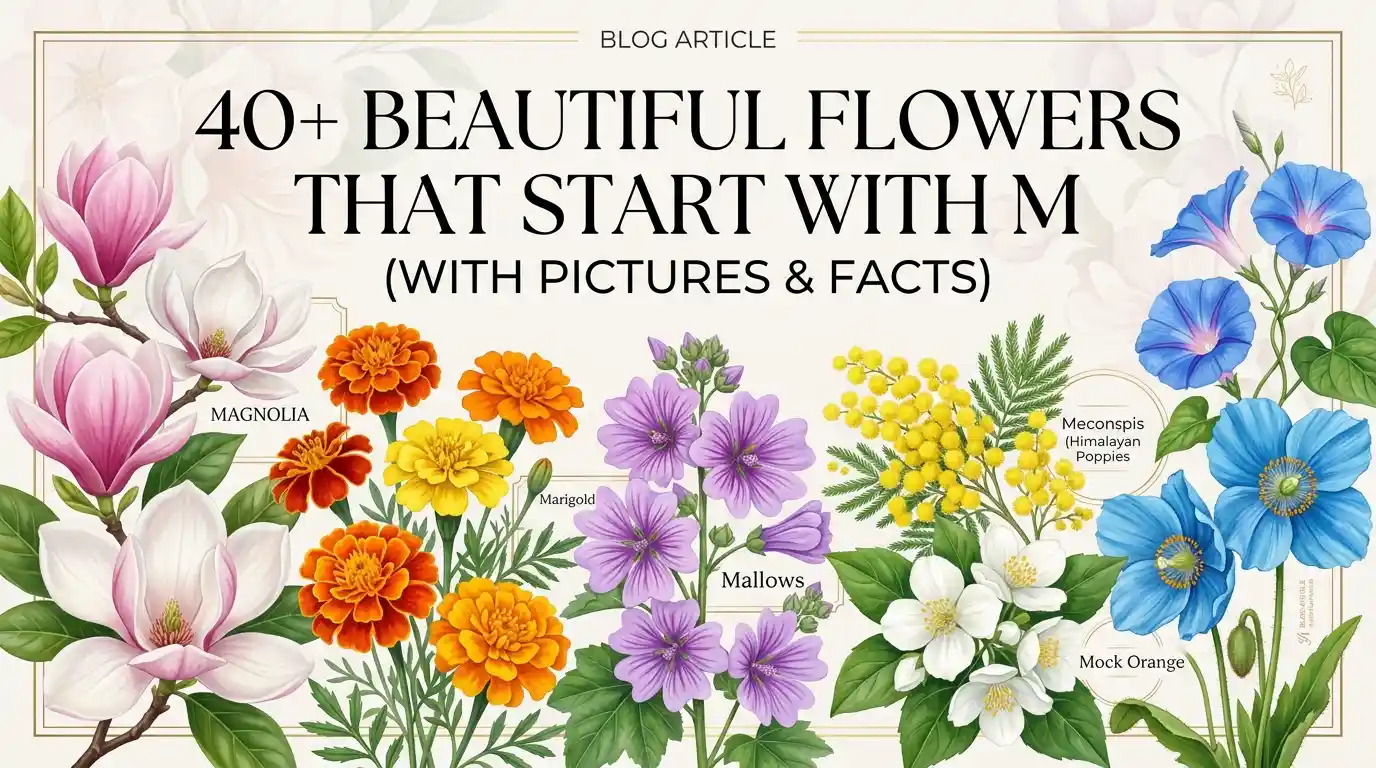
Flowers that start with M cover a huge range of shapes, colors, and uses. This letter gives us garden classics like marigold and magnolia. It also holds rare finds like the Middlemist’s Red camellia. Few other letters pack in this much variety.
- Quick Answer: Top M Flowers at a Glance
- Master Alphabetical List of Flowers That Start With M
- Full Comparison Table
- Garden Favorites
- Indoor Plants
- Florist Favorites
- Rare Flowers
- Caution: Toxic M Flowers
- Color-Based Groupings
- Life-Cycle Groupings
- Botanical Name Crosswalk
- Flower Meanings and Symbolism
- Decision-Flow Table
- Conclusion
- Frequently Asked Questions
This guide brings together over 40 flowers that start with M in one clear list. Each entry notes its botanical name, native range, and bloom time. We also flag toxicity concerns, since a few M flowers need care around pets.
The list is built to help you plan, not just skim names. Garden favorites sit near indoor picks. Florist staples sit near rare botanical curiosities. Color groups and a life-cycle table help you narrow choices fast, whether you garden in full sun or a shady patio.
Use the quick answer box below for a fast overview of the best flowers that start with M. Then move into the full tables and category sections for deeper detail on each bloom.
Quick Answer: Top M Flowers at a Glance
If you only remember a few names, start here. Magnolia anchors any landscape with huge, fragrant blooms. Marigold brings fast, cheerful color to any sunny bed. Morning Glory climbs fences and trellises in a single season. Muscari, or grape hyacinth, signals spring with tiny blue spikes. Monarda, also called bee balm, draws hummingbirds all summer. Mandevilla adds tropical drama to patios and containers. Milkweed supports monarch butterflies through their full life cycle. Moss rose thrives in hot, dry spots where little else survives. These eight cover nearly every garden need, from shade trees to pollinator beds.
Master Alphabetical List of Flowers That Start With M
Some M flowers are best known by common name. Others are searched more often by their botanical name. We split this list of 40 names into both formats so you can find either one fast.
Common-name flowers (1–25):
- Magnolia
- Marigold
- Morning Glory
- Moonflower
- Marsh Mallow
- Mimosa
- Monkshood
- Montbretia
- Mullein
- Meadowsweet
- Mexican Petunia
- Matilija Poppy
- Meadow Rue
- Mexican Hat
- Monkey Flower
- Milkweed
- Mariposa Lily
- Mandevilla
- Firecracker Vine (Mina Lobata)
- Meadow Bistort
- Middlemist’s Red Camellia
- Sensitive Plant (Mimosa Pudica)
- Prayer Plant (Maranta)
- Maiden Pink
- Mayflower
Botanical-first flowers (26–40):
26. Melampodium
27. Matsumoto Aster
28. Mazus
29. Madder (Rubia tinctorum)
30. Mammillaria
31. Marguerite Daisy
32. Marvel of Peru (Mirabilis jalapa)
33. Moss Rose (Portulaca)
34. Manzanita
35. Mock Orange
36. Myrtle
37. Mountain Laurel
38. Masterwort (Astrantia)
39. Muscari
40. Malva (Common Mallow)
That completes our list of 40 flowers that start with M. Not every name suits every climate or skill level. The tables below help you match names to your growing zone and garden goals.
Full Comparison Table
The table below covers the flowers most home gardeners will actually plant. Each row lists the botanical name, native range, bloom season, and toxicity level. Use it to compare options before you commit to a bed layout. Toxicity ratings reflect ingestion risk for pets and children, based on general horticultural references.
| Common Name | Botanical Name | Native Range | Bloom Season | Toxicity |
| Magnolia | Magnolia spp. | East Asia, southeastern US | Spring | Non-toxic |
| Marigold | Tagetes spp. | Mexico, Central America | Summer–fall | Mildly toxic |
| Morning Glory | Ipomoea spp. | Tropical Americas | Summer–fall | Toxic (seeds) |
| Moonflower | Ipomoea alba | Tropical Americas | Summer nights | Toxic (seeds) |
| Marsh Mallow | Althaea officinalis | Europe, western Asia | Summer | Non-toxic |
| Mimosa | Albizia julibrissin | Asia | Summer | Mildly toxic |
| Monkshood | Aconitum napellus | Europe | Summer–fall | Highly toxic |
| Montbretia | Crocosmia spp. | South Africa | Summer | Non-toxic |
| Mullein | Verbascum thapsus | Europe, Asia | Summer | Non-toxic |
| Meadowsweet | Filipendula ulmaria | Europe, western Asia | Summer | Non-toxic |
| Mexican Petunia | Ruellia simplex | Mexico | Spring–fall | Non-toxic |
| Matilija Poppy | Romneya coulteri | California, US | Late spring–summer | Non-toxic |
| Mexican Hat | Ratibida columnifera | North America | Summer–fall | Non-toxic |
| Monkey Flower | Mimulus spp. | Western North America | Spring–summer | Non-toxic |
| Milkweed | Asclepias spp. | North America | Summer | Toxic |
| Mariposa Lily | Calochortus spp. | North and Central America | Late spring–summer | Non-toxic |
| Mandevilla | Mandevilla spp. | South America | Summer–fall | Toxic |
| Moss Rose | Portulaca grandiflora | South America | Summer–fall | Non-toxic |
| Monarda | Monarda didyma | North America | Summer | Non-toxic |
| Mountain Laurel | Kalmia latifolia | Eastern US | Late spring | Toxic |
Magnolia and marigold lead this list for ease of care and visual impact. Monkshood and mountain laurel need careful placement due to their toxicity. Mandevilla is the pick for gardeners chasing bold, tropical color on a patio trellis.
Garden Favorites
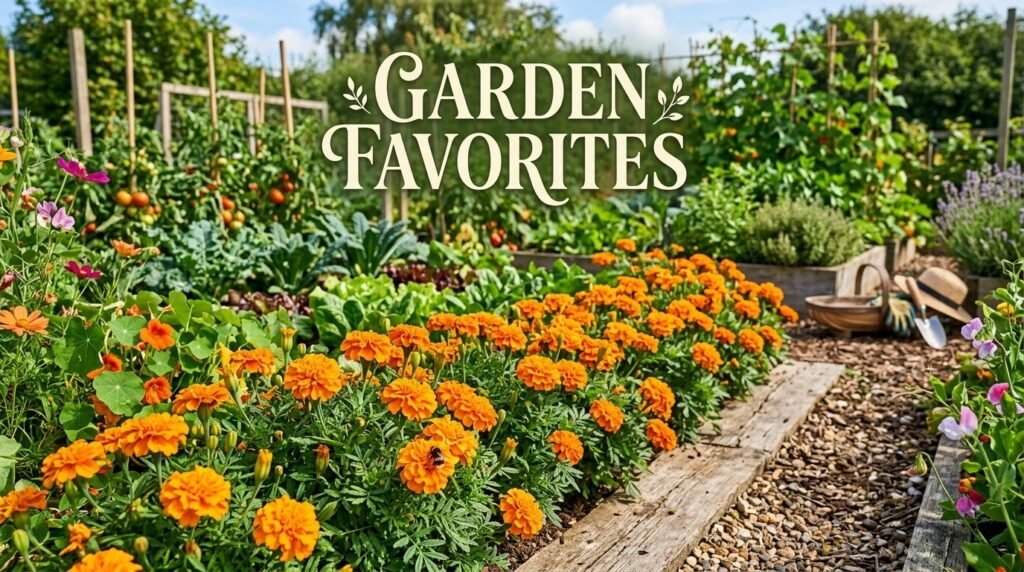
Marigold remains one of the most requested annuals for sunny garden beds. Its bright orange and yellow blooms appear within weeks of planting. Deadheading spent flowers keeps new buds forming through the full growing season. It also repels certain garden pests, making it a popular companion plant near vegetables.
Magnolia brings unmatched drama to any landscape with its huge, fragrant blooms. Some varieties flower on bare branches before leaves even emerge in spring. This tree works as a specimen planting or a flowering privacy screen. Established magnolias need very little upkeep beyond occasional pruning.
Monarda, or bee balm, draws hummingbirds and bees from early to late summer. Its shaggy, tubular flowers come in red, pink, and purple shades. This native perennial spreads readily once settled into rich, moist soil. Gardeners often plant it near patios to enjoy the pollinator activity up close.
Milkweed plays a critical role for monarch butterflies throughout their life cycle. Its clustered flowers range from soft pink to deep orange, depending on the species. Monarch caterpillars feed exclusively on milkweed leaves before forming a chrysalis. Planting native milkweed species supports local pollinator populations far more than ornamental hybrids.
Moss rose thrives in hot, dry spots where many other annuals struggle badly. Its low, spreading form produces bright, papery flowers in nearly every color. Blooms open fully only in direct sunlight, closing again by late afternoon. This makes it a great filler for rock gardens and container edges.
Indoor Plants
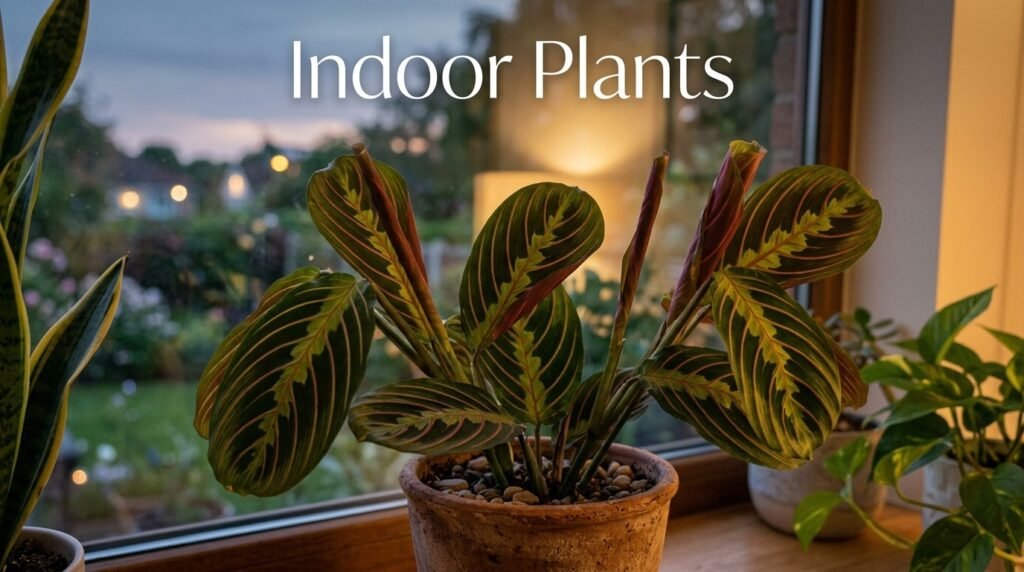
Not every M flower needs outdoor space. Maranta, known as the prayer plant, suits low-light indoor corners well. Its leaves fold upward at night, giving the plant its common name. Mammillaria, a small flowering cactus, also adapts well to sunny windowsills indoors.
Mammillaria produces small pink or purple flowers in a ring near the top of the plant. Strong, direct light encourages more frequent blooming indoors. This cactus needs very little water, especially during winter dormancy. Overwatering remains the most common mistake gardeners make with this genus.
Mandevilla can also be grown indoors in cooler climates during winter months. Bring potted vines inside before the first frost to protect them. Place near a bright, south-facing window for the best chance of continued blooms. Reduce watering slightly once the plant moves indoors for the season.
Florist Favorites
Florists reach for M flowers often, especially for bright, seasonal arrangements. Marigold adds a bold, rustic touch to fall bouquets and centerpieces. Magnolia branches, both blooming and foliage-only, feature heavily in wedding design work. Monarda and marguerite daisy both bring softer, cottage-style texture to mixed arrangements.
Magnolia branches hold up well once cut, making them popular in large-scale event florals. Their glossy leaves add structure even when flowers are not yet open. Many florists use magnolia foliage alone as a backdrop for other blooms. This versatility explains its steady demand across seasons.
Marguerite daisy offers a simple, cheerful look that suits countless bouquet styles. Its white petals and yellow center pair easily with almost any color palette. This flower also holds up reasonably well in a vase with fresh water changes. Florists often use it as an affordable filler alongside pricier focal flowers.
Rare Flowers
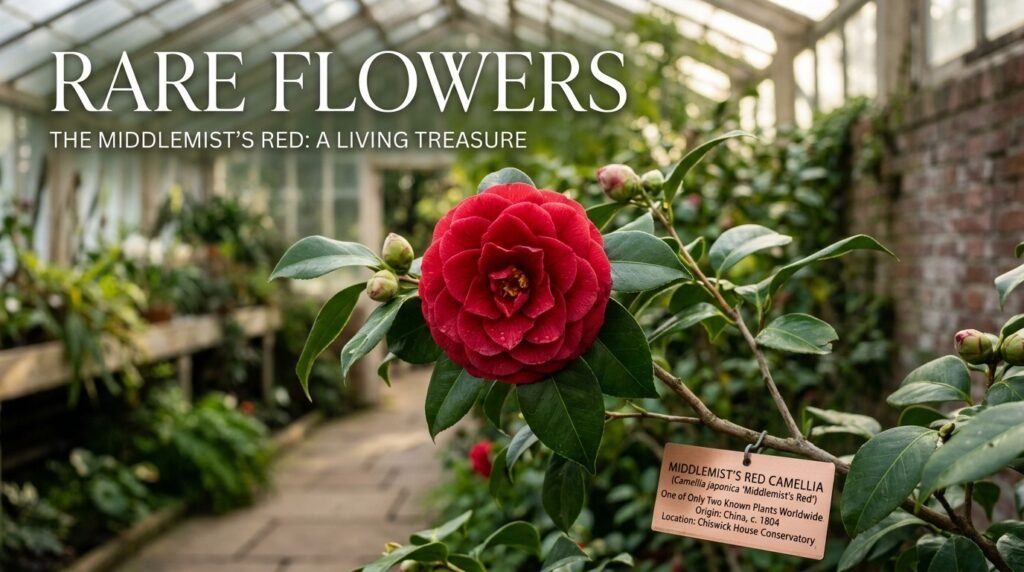
Some M flowers rarely show up outside specialty collections or botanical gardens. The Middlemist’s Red camellia is considered one of the rarest flowers in the world. Only two known plants exist today, one in the UK and one in New Zealand. Its native population in China is believed to be extinct entirely.
Mina lobata, or the firecracker vine, produces striking red-and-yellow flower spikes. This climbing plant belongs to the morning glory family, though it looks quite different. Each flower spike opens in sequence from base to tip, creating a flame-like effect. It suits trellises and fences where its unusual color can stand out.
Mimosa pudica, the sensitive plant, reacts instantly when its leaves are touched. Both the leaves and its small pink, pincushion-like flowers fold inward as a defense response. This reaction typically reverses within a few minutes once left undisturbed. It makes an interesting novelty plant for curious gardeners and classrooms alike.
Caution: Toxic M Flowers
A few M flowers need careful placement around pets and small children. Monkshood is highly toxic and can cause serious harm even through skin contact. Mountain laurel contains compounds that affect the heart if ingested in quantity. Morning glory and moonflower seeds both carry toxic alkaloids as well.
Monkshood, also called wolfsbane, ranks among the most toxic garden flowers grown today. Every part of the plant contains aconitine, a fast-acting toxin. Gardeners should wear gloves when handling it and keep it away from edible beds. Symptoms of exposure can include numbness, nausea, and irregular heartbeat.
Mountain laurel contains grayanotoxins similar to those found in rhododendron. Livestock and pets that graze on its leaves can become seriously ill. Keep fallen leaves and flowers cleared from areas pets frequent regularly. This shrub is best admired from a distance rather than planted near grazing animals.
Color-Based Groupings
Red and pink M flowers include monarda, moss rose, and Middlemist’s Red camellia. These warm tones suit cottage gardens and cutting beds where bold color stands out.
White M flowers feature magnolia, marguerite daisy, and moonflower as top performers. White blooms work beautifully in evening gardens, since pale petals catch fading light well.
Yellow and orange M flowers center on marigold and Mexican hat as reliable choices. Both attract pollinators heavily and suit informal, prairie-style plantings.
Purple and blue M flowers highlight muscari and monkshood, though the latter needs careful placement. Their cooler tones pair well with silver foliage for a calming garden contrast.
Life-Cycle Groupings
Knowing whether a flower is annual, perennial, or biennial changes how you plan your garden. Annual M flowers need replanting each year but often bloom fastest. Perennial types return each season with little extra work. The table below sorts key M flowers by life cycle to help you plan your planting schedule.
| Flower | Life Cycle | Notes |
| Marigold | Annual | Reseeds in warm climates |
| Morning Glory | Annual (perennial in warm zones) | Can self-seed aggressively |
| Magnolia | Perennial tree | Long-term landscape investment |
| Muscari | Perennial bulb | Naturalizes well in lawns and beds |
| Monarda | Perennial | Spreads by rhizomes over time |
| Moss Rose | Annual | Thrives in poor, dry soil |
| Mountain Laurel | Perennial shrub | Slow-growing, long-lived |
Annual choices like marigold and moss rose suit gardeners who want quick seasonal color changes. Perennial picks such as magnolia and monarda build lasting structure with far less replanting effort.
Botanical Name Crosswalk
Knowing the botanical name matters more than most gardeners expect. Nurseries and seed catalogs often list plants by genus first, especially for less common species. A search for “mimulus” often returns more accurate results than “monkey flower” alone.
| Common Name | Botanical Name |
| Marigold | Tagetes spp. |
| Bee Balm | Monarda didyma |
| Grape Hyacinth | Muscari spp. |
| Matilija Poppy | Romneya coulteri |
| Prayer Plant | Maranta leuconeura |
| Mexican Hat | Ratibida columnifera |
Using the botanical name also helps avoid confusion between similarly named plants. “Mallow” alone can refer to several unrelated genera depending on the region. The botanical name always points to one exact species.
Flower Meanings and Symbolism
Magnolia symbolizes dignity and nobility in many flower meaning traditions. Its long lifespan as a tree reinforces this sense of endurance and strength. Marigold carries a more layered meaning, tied to both grief and celebration depending on culture. In Mexican tradition, marigolds play a central role in Día de los Muertos altars.
Morning glory represents fleeting love and affection, since each bloom lasts only a single day. This short lifespan gives the flower a bittersweet, romantic association in Victorian flower language. Monkshood, by contrast, carries a darker meaning tied to caution and danger, fitting for such a toxic plant. These varied meanings make M flowers useful for both celebratory and reflective occasions.
Decision-Flow Table
Choosing the right M flower depends on your space, light, and goals. The table below walks through common gardening scenarios and points to a matching flower. Use it as a quick-reference guide when planning a new bed or container.
| If you want… | Choose this M flower |
| A fast annual for bright color | Marigold or Moss Rose |
| A flowering vine for a trellis | Morning Glory or Mandevilla |
| A shade tree with spring blooms | Magnolia |
| A pollinator magnet | Monarda or Milkweed |
| A low-maintenance indoor plant | Maranta or Mammillaria |
| A pet-safe garden bed | Marigold, Magnolia, or Muscari |
| A fragrant flowering shrub | Mock Orange |
Gardeners short on time should start with marigold or moss rose, since both bloom fast with little care. Those planning a pollinator garden will get the most value from monarda and milkweed together.
Conclusion
Flowers that start with M offer real range, from garden classics to rare botanical curiosities. Marigold and magnolia anchor most gardens, while rare picks like Middlemist’s Red reward curious plant lovers. Toxicity and life-cycle notes above help you plant with confidence. Use this list of flowers that start with M as a lasting reference for your next planting season.
Frequently Asked Questions
What are some common flowers that start with M?
Marigold, Magnolia, Morning Glory, Muscari, and Monarda are among the most common M flowers grown worldwide. Each suits a different garden style, from formal beds to pollinator gardens.
Are there any flowers that start with M that are toxic to pets?
Yes. Monkshood, Mountain Laurel, and Morning Glory seeds are all toxic if ingested by pets. Keep these away from curious cats and dogs.
Which M flower is best for a beginner gardener?
Marigold is an excellent starting point. It tolerates poor soil, needs little care, and blooms reliably all summer long.
Do any M flowers work well indoors?
Maranta and Mammillaria both do well as houseplants. Maranta prefers low light, while Mammillaria needs bright, direct sun.
What does a Marigold flower symbolize?
Marigold carries meanings tied to both grief and celebration, depending on culture. It plays a central role in Día de los Muertos traditions in Mexico.
Is the Middlemist’s Red camellia something people can grow at home?
No. Only two known plants exist worldwide, making it inaccessible for home gardeners. It remains a botanical curiosity rather than a commercial plant.
Which M flowers attract the most pollinators? Monarda and milkweed both draw bees, butterflies, and hummingbirds in large numbers. Milkweed is also essential for monarch butterfly reproduction.
What is the difference between Mexican Petunia and true petunia?
Mexican Petunia belongs to the Ruellia genus, unrelated to true petunias. It shares a similar flower shape but comes from a completely different plant family.
Can Magnolia trees grow in containers?
Some smaller magnolia varieties can grow in large containers for several years. Most eventually need to be planted in open ground as they mature.