

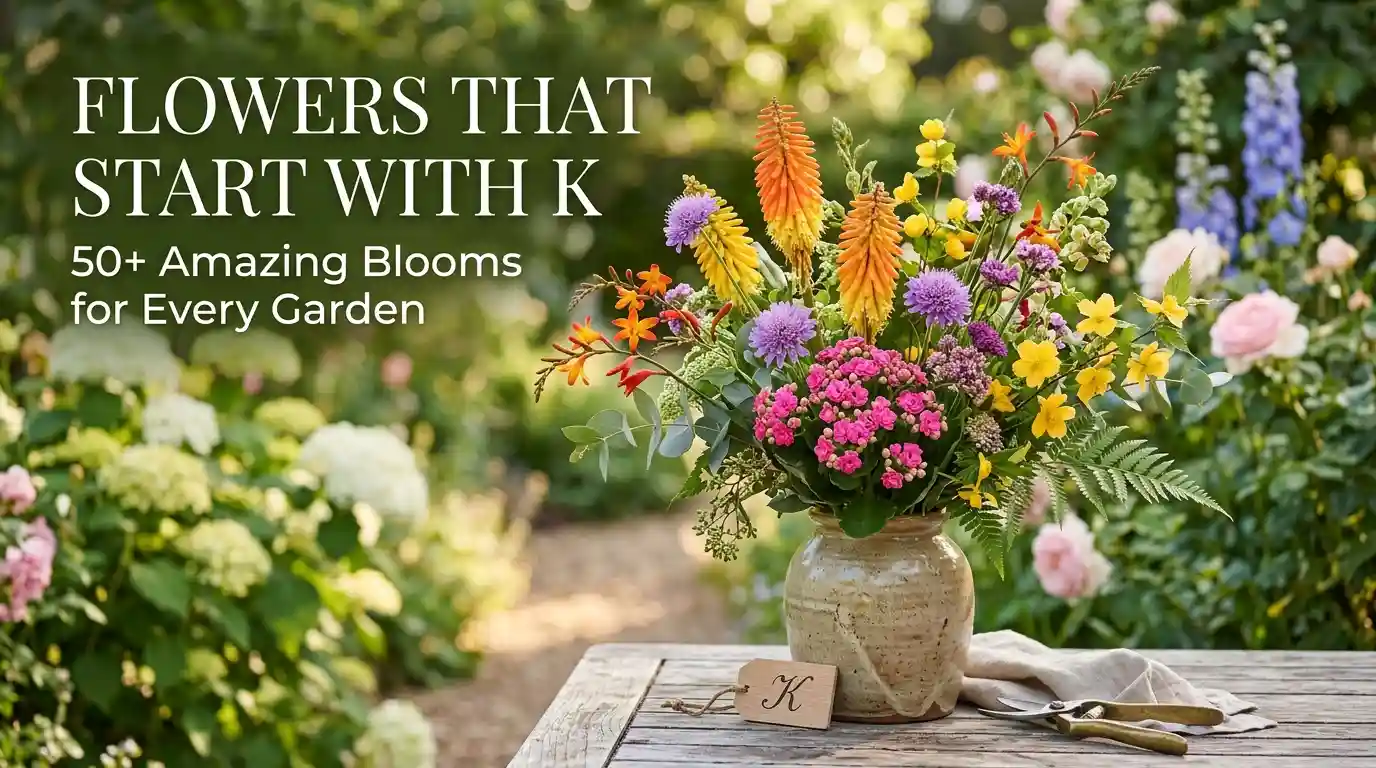
Flowers that start with K are rarer than most letters, but they are far from boring. This letter gives us the fiery Kangaroo Paw and the bold King Protea. It also holds quiet garden gems like Kerria and Kingcup. Few letters mix common garden plants with rare botanical finds quite this well.
- Quick Answer: Top K Flowers at a Glance
- Master Alphabetical List of Flowers That Start With K
- Full Comparison Table
- Garden Favorites
- Indoor Plants
- Florist Favorites
- Rare Flowers
- Caution: Toxic K Flowers
- Color-Based Groupings
- Life-Cycle Groupings
- Botanical Name Crosswalk
- Flower Meanings and Symbolism
- Decision-Flow Table
- Conclusion
- Frequently Asked Questions
This guide brings together over 50 flowers that start with K in one clear list. Each entry notes its botanical name, native range, and bloom time. We also flag toxicity concerns, since several K flowers need care around pets and grazing animals.
The list is built to help you plan, not just skim names. Garden favorites sit near indoor picks. Florist staples sit near rare botanical curiosities. Color groups and a life-cycle table help you narrow choices fast, whether you garden in full sun or deep shade.
Use the quick answer box below for a fast overview of the best flowers that start with K. Then move into the full tables and category sections for deeper detail on each bloom.
Quick Answer: Top K Flowers at a Glance
If you only remember a few names, start here. Kangaroo Paw brings bold, fuzzy blooms that hummingbirds love. King Protea stands out as one of the largest flower heads in the world. Kalanchoe offers easy, long-lasting color for sunny windowsills. Kaffir Lily delivers bright orange trumpets in late winter shade. Kerria covers bare branches in gold each spring. Mountain Laurel (Kalmia) blankets Eastern woodlands in pink and white. Kingcup, also called marsh marigold, thrives in wet, boggy ground. Beauty Bush fills gardens with soft pink, bell-shaped flowers. These eight cover nearly every garden need, from dry rockeries to shaded wetlands.
Master Alphabetical List of Flowers That Start With K
Some K flowers are best known by their common name. Others are searched more often by their botanical name. We split this list of 50+ names into both formats so you can find either one fast.
Common-name flowers (1–25):
- Kangaroo Paw
- King Protea
- Kalanchoe
- Kaffir Lily
- Knapweed
- Mountain Laurel
- Sheep Laurel
- Kerria
- Kiss-Me-Over-the-Garden-Gate
- Knotweed
- Klamath Weed
- Kangaroo Apple
- King’s Mantle
- Kitaibelia (Cedar Cup)
- Kingcup (Marsh Marigold)
- Korean Spice Viburnum
- Kingfisher Daisy
- King’s Spear
- Beauty Bush
- Kudzu Flower
- Karoo Rose
- Kaffir Fig
- Kentucky Wisteria
- Korean Chrysanthemum
- Kohuhu
Botanical-first flowers (26–52):
26. Kniphofia
27. Kalmiopsis
28. Kigelia
29. Kopsia
30. Knautia
31. Kirengeshoma
32. Kaempferia
33. Kadsura
34. Kalimeris
35. Kobus Magnolia
36. Kalanchoe pumila
37. Kalanchoe blossfeldiana
38. Kalanchoe tomentosa
39. Kalanchoe daigremontiana
40. Kennedia
41. Kunzea
42. Koelreuteria
43. Krigia
44. Kickxia
45. Keckiella
46. Kohleria
47. Kalanchoe manginii
48. Kalanchoe fedtschenkoi
49. Kalmia microphylla
50. Kentranthus
51. Kalanchoe marmorata
52. Kaempferia rotunda
That completes our list of 50+ flowers that start with K. Not every name suits every climate or skill level. The tables below help you match names to your growing zone and garden goals.
Full Comparison Table
The table below covers the flowers most home gardeners will actually plant. Each row lists the botanical name, native range, bloom season, and toxicity level. Use it to compare options before you commit to a bed layout. Toxicity ratings reflect ingestion risk for pets and children, based on general horticultural references.
| Common Name | Botanical Name | Native Range | Bloom Season | Toxicity |
| Kangaroo Paw | Anigozanthos spp. | Australia | Spring–summer | Non-toxic |
| King Protea | Protea cynaroides | South Africa | Winter–spring | Non-toxic |
| Kalanchoe | Kalanchoe blossfeldiana | Madagascar | Winter–spring | Toxic |
| Kaffir Lily | Clivia miniata | South Africa | Late winter–early spring | Toxic |
| Knapweed | Centaurea spp. | Europe, Asia | Summer | Mildly toxic (livestock) |
| Mountain Laurel | Kalmia latifolia | Eastern US | Late spring–early summer | Toxic |
| Sheep Laurel | Kalmia angustifolia | Eastern North America | Late spring–early summer | Toxic |
| Kerria | Kerria japonica | China, Japan, Korea | Mid–late spring | Non-toxic |
| Kiss-Me-Over-the-Garden-Gate | Persicaria orientalis | Asia | Summer–fall | Non-toxic |
| Kalmiopsis | Kalmiopsis leachiana | Oregon, US | Spring | Toxic |
| Kigelia | Kigelia africana | Tropical Africa | Spring–summer | Toxic (unripe fruit) |
| Kopsia | Kopsia fruticosa | Southeast Asia | Year-round, peak spring | Toxic |
| King’s Mantle | Thunbergia erecta | Tropical Africa | Summer–fall | Non-toxic |
| Kitaibelia | Kitaibelia vitifolia | Southeast Europe | Summer | Non-toxic |
| Kingcup | Caltha palustris | Europe, temperate zones | Early spring | Toxic |
| Korean Spice Viburnum | Viburnum carlesii | Korea | Mid-spring | Non-toxic |
| Beauty Bush | Kolkwitzia amabilis | China | Late spring | Non-toxic |
| Kohleria | Kohleria spp. | Central and South America | Summer–fall | Non-toxic |
| Kaffir Fig | Carpobrotus edulis | South Africa | Spring–summer | Non-toxic |
Kangaroo Paw and King Protea lead this list for dramatic, long-lasting blooms. Mountain Laurel, Kalmia, and Kingcup all need careful placement due to their toxicity. Kigelia stands out as the most unusual entry, with night-blooming flowers and giant hanging fruit.
Garden Favorites
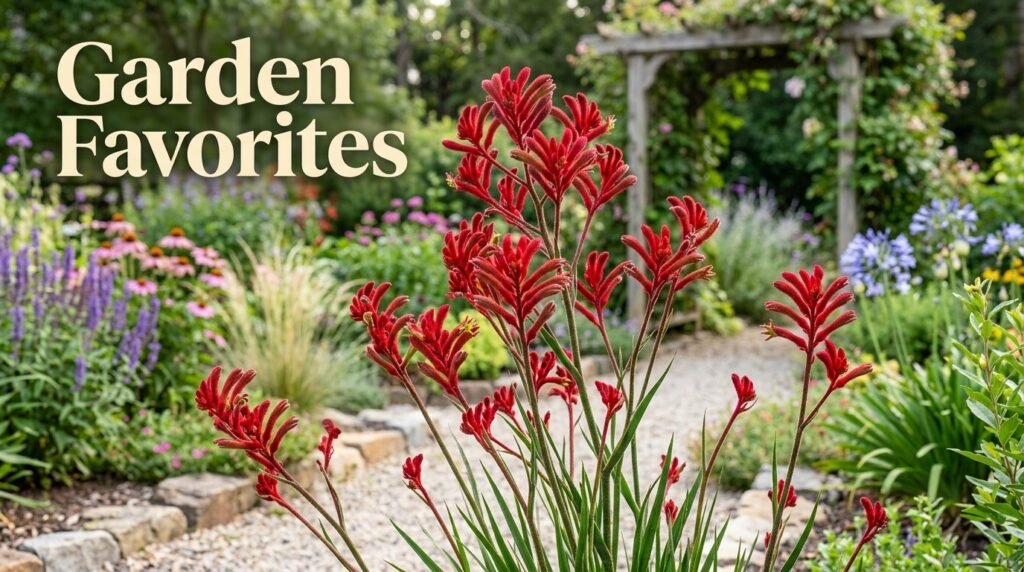
Kangaroo Paw remains a top pick for gardeners chasing something truly different. Its tubular, fuzzy flowers come in red, yellow, orange, and green shades. Hummingbirds and native birds visit these blooms constantly through spring and summer. This Australian native handles heat and dry spells with ease once established.
Kerria brings early, golden color to shaded corners where few shrubs bloom. Its rose-like yellow flowers cover bare green stems in mid to late spring. This shrub tolerates poor soil and needs little pruning to stay healthy. Gardeners often use it to brighten a woodland edge or north-facing bed.
Kingcup thrives where most flowers refuse to grow, in wet, boggy soil. Its glossy yellow flowers appear along pond edges and stream banks in early spring. This plant belongs to the buttercup family, sharing its love of moisture. Contained pots work well for gardeners without a natural wet spot.
Beauty Bush lives up to its name with soft pink, bell-shaped flowers each spring. Arching branches become completely covered in blooms for several weeks. This tough shrub tolerates poor soil, drought, and heavy pruning without complaint. It works well as an informal hedge or a stand-alone specimen plant.
Indoor Plants
Not every K flower needs outdoor space. Kalanchoe ranks among the most popular flowering houseplants sold today. Its thick, waxy leaves store water, making it forgiving of missed watering days. Kalanchoe also thrives indoors, with fuzzy leaves and tubular, speckled flowers.
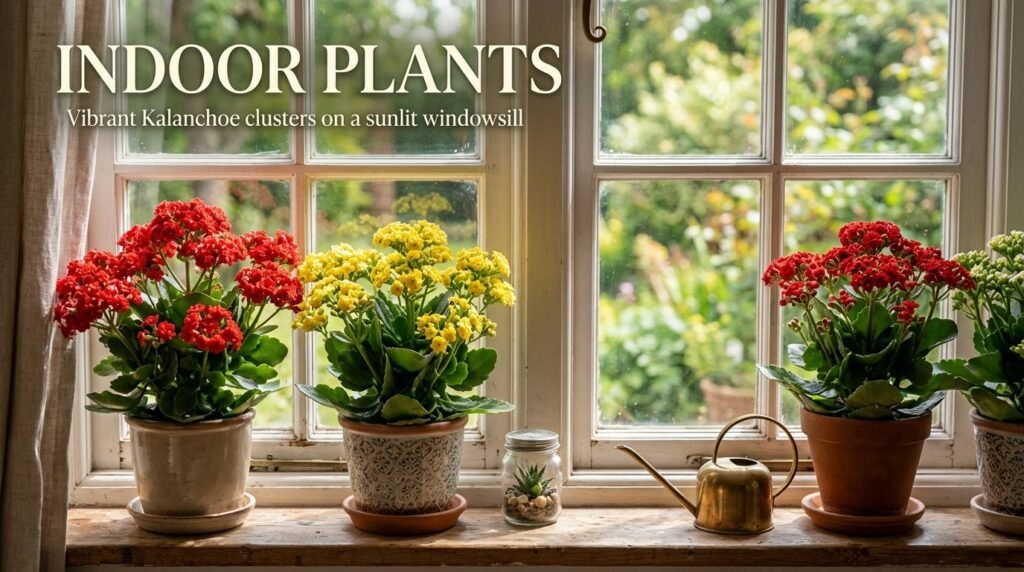
Kalanchoe blooms in tight clusters of small, long-lasting flowers. Colors range from bright red and orange to soft pink and yellow. This succulent needs bright light and only occasional watering to stay healthy. Wide varieties rebloom multiple times a year with proper care.
Kohleria adds a softer, jungle-like texture to indoor plant collections. Its tubular flowers often feature spotted or speckled patterns inside the throat. This plant prefers warm temperatures and higher humidity than many houseplants. Bright, indirect light keeps the foliage lush and encourages steady blooming.
Florist Favorites
Florists reach for K flowers less often than other letters, but a few stand out. King Protea is prized for its massive, sculptural blooms in floral design work. Kangaroo Paw adds unusual texture and color to modern, native-style arrangements. Knautia brings a softer, wildflower feel to cottage-style bouquets.
King Protea holds its shape and color for weeks, even after cutting. Its large, layered petals make a bold single-stem statement in any arrangement. Florists often pair it with native greenery for a natural, textured look. This flower ships well, which explains its popularity in high-end floral work.
Kangaroo Paw offers a striking, architectural shape that few other cut flowers match. Its long-lasting blooms hold color well in both fresh and dried arrangements. Designers often use it to add height and unusual texture to modern bouquets. It pairs especially well with native Australian foliage.
Rare Flowers
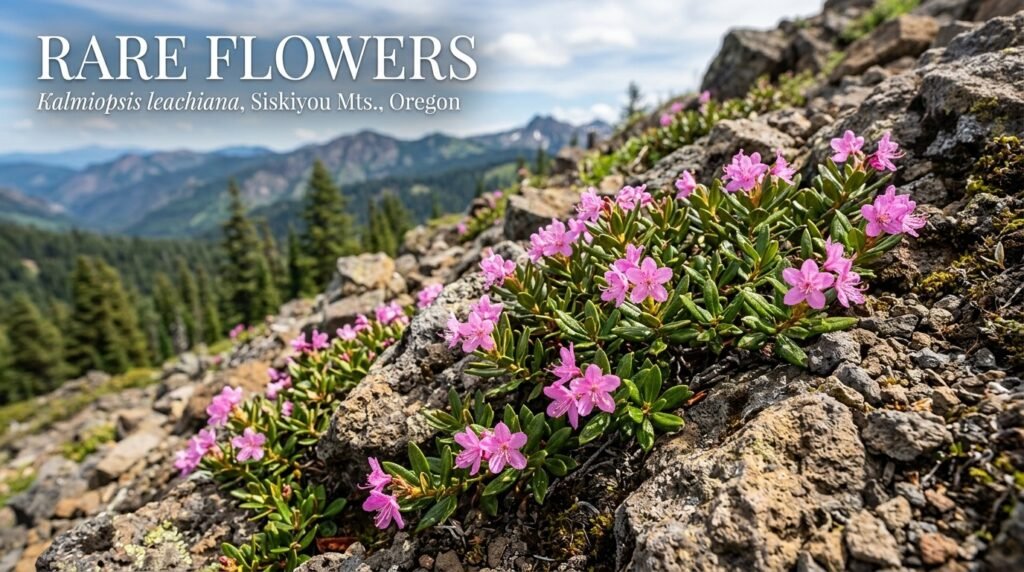
Some K flowers rarely show up outside specialty collections or botanical gardens. Kalmiopsis is a true rock-garden rarity, native only to a small area of Oregon. This low, evergreen shrub needs excellent drainage and cool root conditions to survive. Its pink flowers resemble a miniature rhododendron bloom.
Kigelia, or the sausage tree, produces dark red flowers that open only at night. Bats pollinate these unusual blooms in its native African range. The tree later produces enormous, sausage-shaped fruit that can weigh several pounds. It needs a warm, frost-free climate and significant space to grow well.
Kitaibelia is considered an expert-level plant among perennial collectors. This large, hibiscus-like bloomer produces white or pale pink flowers on tall stems. It works well as a lush backdrop for smaller plants at the border’s edge. Few nurseries stock it, so seed exchanges remain the most common source.
Caution: Toxic K Flowers
Several K flowers need careful placement around pets, children, and livestock. Mountain Laurel and Sheep Laurel both contain grayanotoxins that affect the heart. Kingcup causes irritation similar to other buttercup-family plants if chewed. Kaffir Lily and Kalanchoe both carry compounds that are toxic to cats and dogs.
Mountain Laurel and Sheep Laurel share the nickname “lamb-kill” for a clear reason. Grazing animals that eat their leaves can become seriously ill or die. Home gardeners with pets should plant these shrubs away from areas animals frequent. Symptoms of exposure include drooling, vomiting, and an irregular heartbeat.
Kalanchoe poses a real risk to cats and dogs if leaves are chewed. It contains cardiac glycosides that can affect heart rhythm in pets. Keep potted Kalanchoe on high shelves out of reach of curious animals. Seek veterinary advice quickly if ingestion is suspected.
Color-Based Groupings
Red and orange K flowers include Kangaroo Paw, Kaffir Lily, and many Kalanchoe varieties. These warm tones suit bold, sunny beds and cheerful indoor container displays.
White and cream K flowers feature Kitaibelia and some Kerria and Korean Spice Viburnum varieties. White blooms work well in shaded gardens, where pale petals stand out against green foliage.
Yellow K flowers center on Kerria and Kingcup as reliable, early-season performers. Both bring welcome color before most other spring flowers open.
Pink and purple K flowers highlight Beauty Bush, Kalmiopsis, and Mountain Laurel. Their softer tones pair well with green foliage for a calming, woodland-style garden look.
Life-Cycle Groupings
Knowing whether a flower is annual, perennial, or shrub-based changes how you plan your garden. Annual K flowers need replanting each year but often bloom fast. Perennial and shrub types return each season with far less ongoing work. The table below sorts key K flowers by life cycle to help you plan your planting schedule.
| Flower | Life Cycle | Notes |
| Kangaroo Paw | Perennial (tender in cold climates) | Best in warm, frost-free zones |
| King Protea | Perennial shrub | Slow-growing, long-lived |
| Kalanchoe | Perennial succulent | Often grown as a houseplant |
| Kerria | Perennial shrub | Spreads by suckers over time |
| Kiss-Me-Over-the-Garden-Gate | Annual | Self-seeds readily each year |
| Mountain Laurel | Perennial shrub | Slow-growing, long-lived |
| Kingcup | Perennial | Spreads in consistently wet soil |
| Beauty Bush | Perennial shrub | Tolerant of poor soil and drought |
Annual choices like Kiss-Me-Over-the-Garden-Gate suit gardeners who want fast seasonal impact. Perennial shrubs such as Kerria and Beauty Bush build lasting garden structure with far less replanting.
Botanical Name Crosswalk
Knowing the botanical name matters more than most gardeners expect. Nurseries and seed catalogs often list plants by genus first, especially for less common species. A search for “Anigozanthos” often returns more accurate results than “kangaroo paw” alone.
| Common Name | Botanical Name |
| Kangaroo Paw | Anigozanthos spp. |
| King Protea | Protea cynaroides |
| Kaffir Lily | Clivia miniata |
| Mountain Laurel | Kalmia latifolia |
| Kingcup | Caltha palustris |
| Beauty Bush | Kolkwitzia amabilis |
| Sausage Tree | Kigelia africana |
Using the botanical name also helps avoid confusion between similarly named plants. “Kaffir Lily,” for example, is sometimes confused with unrelated lily species from other regions. The botanical name always points to one exact species.
Flower Meanings and Symbolism
King Protea symbolizes courage and transformation in many flower meaning traditions. Its bold, layered structure has long represented diversity and change across cultures. Kangaroo Paw carries a lighter meaning, often linked to uniqueness and standing out from the crowd. Its unusual shape makes it a favorite for gifts meant to celebrate individuality.
Kerria’s golden blooms are sometimes associated with renewal, since they appear so early in spring. Their sudden burst of color after a bare winter feels like a fresh start each year. Kingcup carries an older, folk association with protection, once used in doorway decorations in parts of Europe. These meanings add depth to gift-giving and garden design choices tied to the letter K.
Decision-Flow Table
Choosing the right K flower depends on your space, light, and goals. The table below walks through common gardening scenarios and points to a matching flower. Use it as a quick-reference guide when planning a new bed or container.
| If you want… | Choose this K flower |
| A striking cut flower for arrangements | King Protea or Kangaroo Paw |
| A shrub for a shaded, wet spot | Kingcup |
| A low-maintenance flowering houseplant | Kalanchoe |
| A fragrant spring-blooming shrub | Korean Spice Viburnum |
| A pet-safe garden bed | King’s Mantle or Kitaibelia |
| A rare plant for a rock garden | Kalmiopsis |
| A fast, self-seeding annual | Kiss-Me-Over-the-Garden-Gate |
Gardeners short on time should start with Kalanchoe or Beauty Bush, since both need very little upkeep. Those planning a native-style border will get the most value from Kangaroo Paw and King Protea together.
Conclusion
Flowers that start with K offer real range, from garden classics to rare botanical curiosities. Kangaroo Paw and King Protea anchor bold designs, while rare picks like Kalmiopsis reward curious plant lovers. Toxicity and life-cycle notes above help you plant with confidence. Use this list of flowers that start with K as a lasting reference for your next planting season.
Frequently Asked Questions
What are some common flowers that start with K?
Kangaroo Paw, King Protea, Kalanchoe, Kaffir Lily, and Kerria are among the most common K flowers grown worldwide. Each suits a different garden style, from dry rockeries to shaded wetlands.
Are there any flowers that start with K that are toxic to pets?
Yes. Mountain Laurel, Sheep Laurel, Kalanchoe, and Kaffir Lily are all toxic if ingested by pets. Keep these away from curious cats and dogs.
Which K flower is best for a beginner gardener?
Kalanchoe is an excellent starting point. It tolerates missed watering, needs little care, and reblooms reliably indoors.
Do any K flowers work well indoors?
Kalanchoe and Kohleria both do well as houseplants. Both prefer bright light and only occasional watering.
What does a King Protea flower symbolize?
King Protea symbolizes courage and transformation. Its bold structure has long represented diversity and change across cultures.
Is Kigelia something people can grow at home?
Only in warm, frost-free climates with significant garden space. Its large size and heavy fruit make it unsuitable for small gardens.
Which K flowers attract the most pollinators? Kangaroo Paw and Kingcup both draw birds and insects in large numbers. Kigelia relies on bats for pollination in its native range.
What is the difference between Mountain Laurel and Sheep Laurel?
Mountain Laurel grows taller and features larger flower clusters than Sheep Laurel. Both belong to the Kalmia genus and share similar toxicity risks.
Can King Protea grow in cold climates?
No. King Protea needs a frost-free, Mediterranean-style climate to thrive outdoors. Gardeners in colder zones typically grow it as a cut flower import instead.
What flower that starts with K blooms only at night?
Kigelia is known for this trait. Its dark red flowers open after dark and are pollinated by bats.