

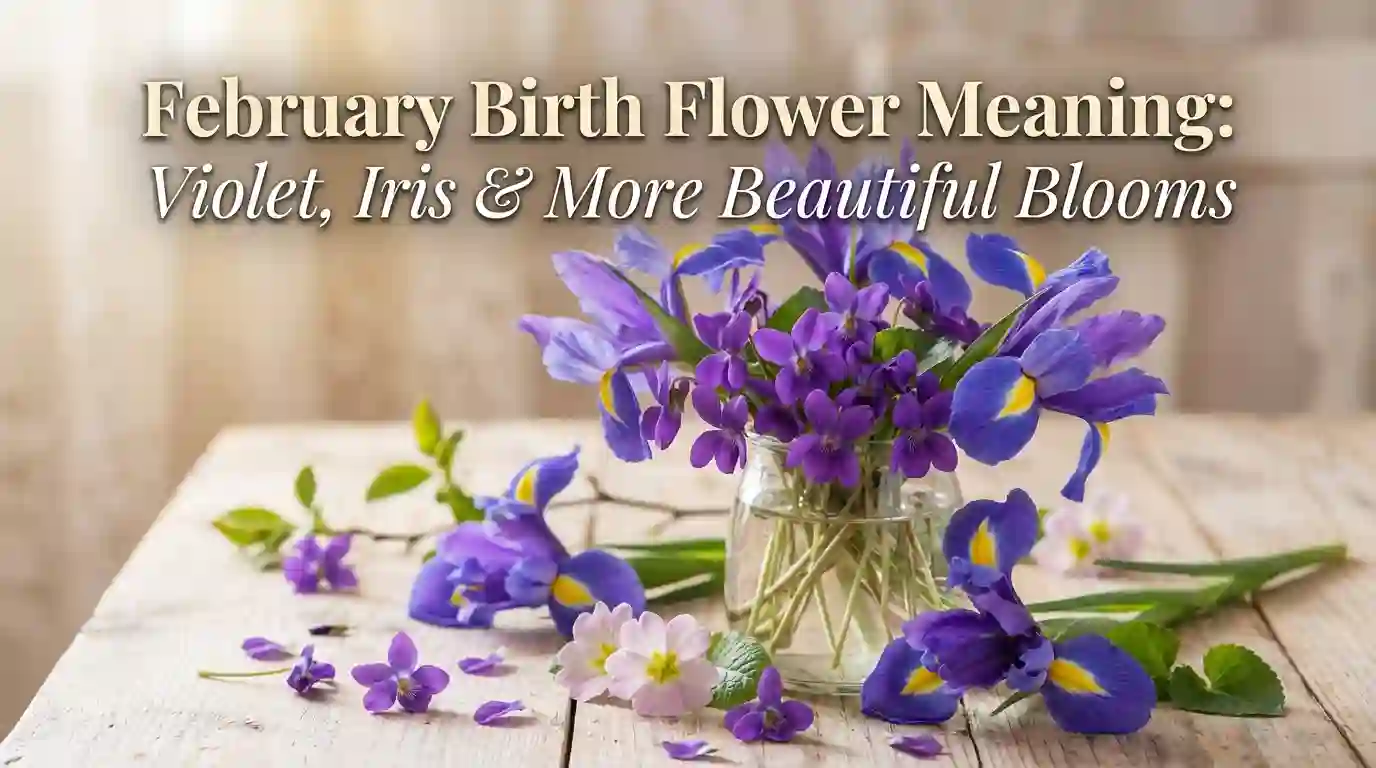
February sits deep in winter, yet something quietly stirs underneath the cold. Small blooms push through frost-hardened soil. Color returns in modest, unassuming ways. The February birth flower reflects that exact mood — soft, understated, and full of quiet promise.
- What Is a Birth Flower?
- February’s Birth Flower(s): Overview
- History and Origin of Violet
- History and Origin of Primrose
- Meaning and Symbolism of Violet
- Meaning and Symbolism of Primrose
- Color Varieties and Their Meanings (Both Flowers)
- How to Grow Violet
- How to Grow Primrose
- Gift Ideas Using February’s Birth Flowers
- Famous People Born in February and Their Connection to the Flowers
- February Birthstone (Brief Mention)
- Fun Facts About Violet and Primrose
- Conclusion
- FAQs
Quick Answer: February actually has two widely recognized birth flowers. The Violet is the primary birth flower for February. It stands for modesty, faithfulness, and loyal love. The Primrose is the secondary February birth flower. It represents youth, hope, and new beginnings. You’ll also see the Iris mentioned in some regional traditions as an alternate February flower, symbolizing wisdom and hope. Together, violet and primrose capture what February feels like — gentle strength paired with the very first signs of spring.
If you were born in February, these two blooms belong to you. Here’s everything worth knowing about each one.
What Is a Birth Flower?
A birth flower is a bloom tied to your birth month, working much as a birthstone does. Each month carries its own flower, and quite a few months, February included, carry two.
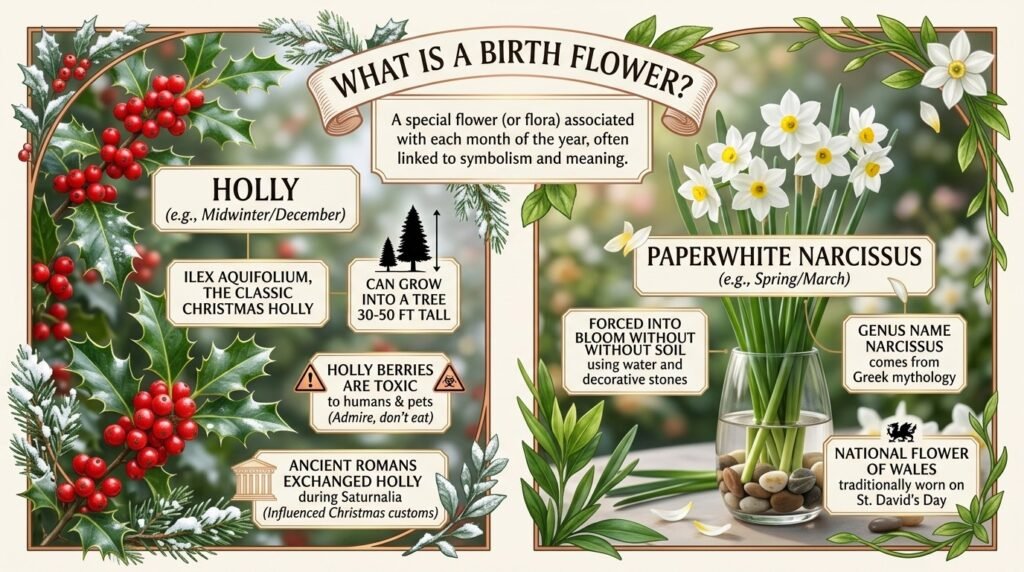
This tradition goes back centuries, growing out of old Roman flower festivals and, later, Victorian-era “flower language.” During that period, people used specific blooms to express feelings that felt too personal for plain words. Every flower carried its own coded meaning, understood by anyone familiar with the custom.
Over time, different regions built their own flower calendars. Many of these separate lists eventually merged into the version most people recognize today. February is actually a great example of this overlap: while violet and primrose are the most widely cited February birth flower pairing in Western tradition, some regional lists also include iris, a leftover from older Greek-influenced flower calendars. This guide focuses on violet and primrose as the primary pairing, since that’s the most consistently recognized version across modern sources.
February’s Birth Flower(s): Overview
February brings together two small, unassuming blooms. Both grow low to the ground, and both announce the coming of spring long before most other flowers wake up.
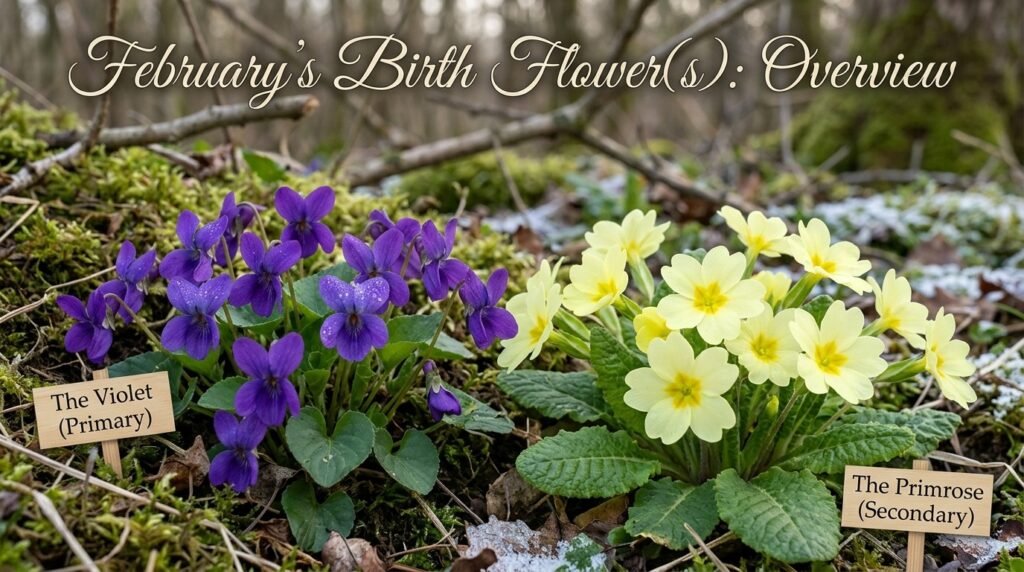
The Violet (Primary)
The botanical name for the primary February flower is Viola odorata, commonly known as sweet violet. Its small, five-petaled flowers grow in a deep, rich purple, though blue, white, and cream varieties also exist. Heart-shaped leaves cluster low to the ground, giving the whole plant a compact, modest appearance.
Violets are native to Europe and parts of Asia, thriving in cool, partially shaded woodland edges and garden borders. They’re one of the earliest flowers to bloom each year, often appearing while frost still lingers nearby. Their strong, sweet fragrance has made them a favorite in perfumes for centuries.
The Primrose (Secondary)
The botanical name for the secondary February flower is Primula vulgaris. Its cheerful, five-petaled blooms typically appear in soft yellow, though pink, white, and purple varieties are also common. The flowers cluster in a low rosette of crinkled, tongue-shaped leaves, staying close to the ground much like the violet.
Primrose is native to Europe, Western Asia, and parts of North Africa, where it grows wild in meadows, woodlands, and hedgerows. Its name comes directly from its habit of blooming among the very first flowers of spring. That early, hopeful timing is exactly what earned it a place alongside the violet as February’s second birth flower.
History and Origin of Violet
Violet’s history stretches back to ancient Greek mythology, where the flower appears in more than one origin story. One version ties the violet to Attis, a Greek god who died after being gored by a wild boar, with violets said to have sprung up from the blood-soaked ground where he fell. Other versions link the flower to nymphs and to the goddess Aphrodite, reinforcing its long-standing connection to love and remembrance.
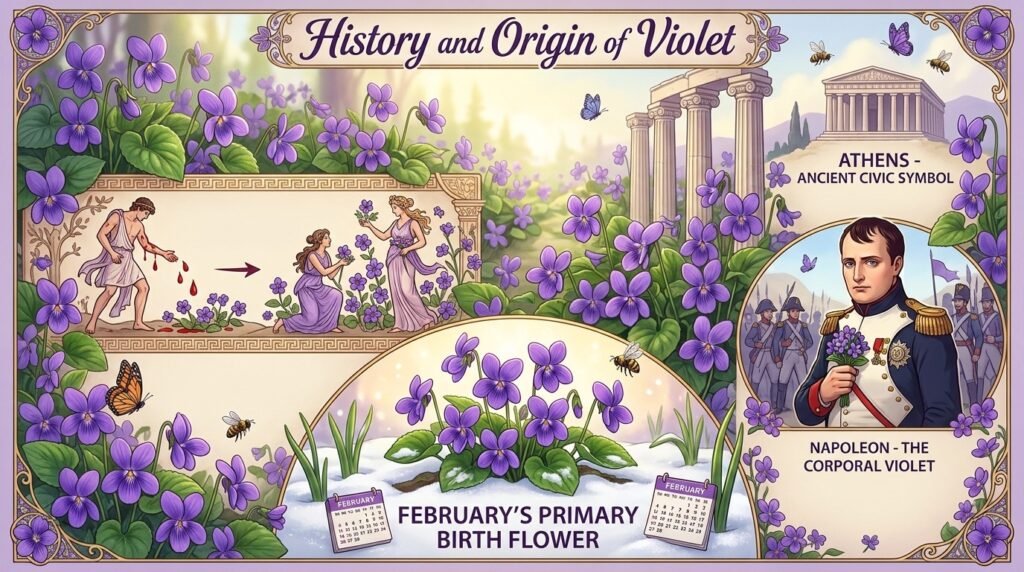
Violets held special meaning in ancient Athens too, where the flower was so closely associated with the city that it appeared as an unofficial symbol of civic pride. Greek writers frequently referenced violets in poetry, cementing the flower’s reputation for quiet, understated beauty.
Much later, Violet’s history took an unexpected political turn in France. Napoleon Bonaparte was so fond of the flower that his supporters nicknamed him “Corporal Violet.” When Napoleon was exiled, he reportedly promised to return “with the violets” in spring, and the flower became a secret symbol among his loyalists during his absence.
Violet’s early bloom time, appearing right as winter starts to loosen its grip, is exactly why it became February’s primary birth flower.
History and Origin of Primrose
Primrose’s name comes from the Latin phrase “prima rosa,” meaning “first rose,” despite the flower having no actual botanical relation to roses. The name simply reflected its reputation as one of the very first blooms to appear each spring, often pushing through late winter frost well before most other flowers.
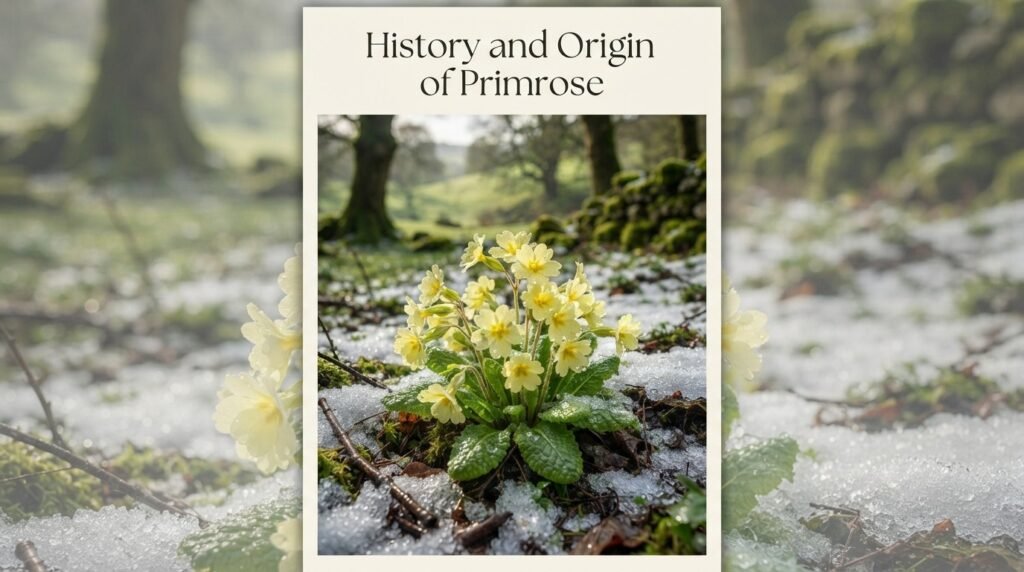
Folklore around primrose runs especially deep in Scottish and Irish tradition, where the flower was believed to serve as a doorway into the fairy realm. Some legends claimed that eating primrose petals allowed a person to actually see fairies, while others warned that picking too few blooms at once could bring bad luck to a household.
Primrose also carries genuine political history in Britain. April 19th is still celebrated as “Primrose Day” in the UK, marking the anniversary of former Prime Minister Benjamin Disraeli’s death. Primrose was reportedly his favorite flower, and Queen Victoria herself sent a wreath of primroses to his funeral, cementing the flower’s place in British cultural memory.
Its reliably early bloom time, arriving right alongside the violet each year, secured primrose’s spot as February’s secondary birth flower.
Meaning and Symbolism of Violet
Violet symbolism centers on quiet strength and steady devotion, fitting for a flower that grows low and modest rather than tall and showy. Here’s what it commonly represents:
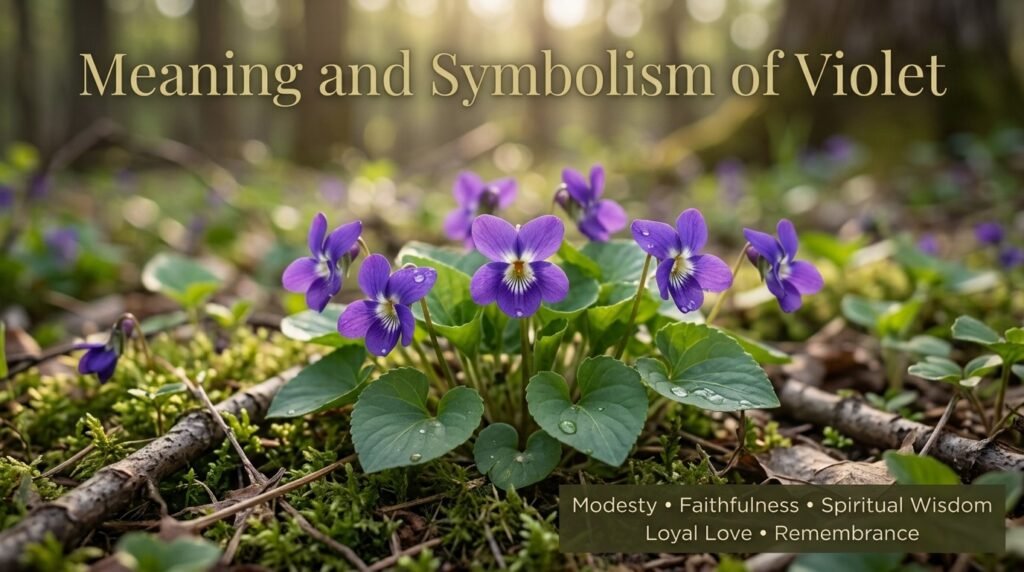
- Modesty — reflecting the flower’s small size and unassuming, low-growing habit
- Faithfulness — a core meaning in Victorian flower language, often phrased as “I’ll always be true”
- Spiritual wisdom — tied to the flower’s long history in ancient Greek philosophy and poetry
- Loyal love — reinforced through its long association with quiet devotion rather than grand gestures
- Remembrance — linked to its mythological origin stories involving loss and transformation
Meaning and Symbolism of Primrose
Primrose symbolism leans hopeful and youthful, shaped by its role as one of spring’s earliest messengers. Here’s what it commonly represents:
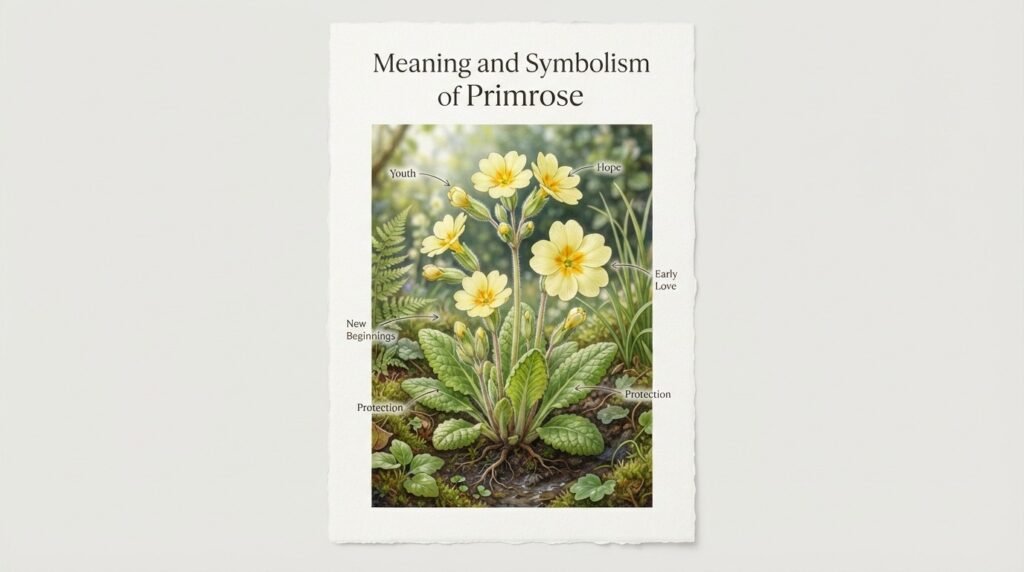
- Youth — a natural meaning for a flower so closely tied to new beginnings
- Hope — reflecting its habit of blooming while winter still lingers
- New beginnings — reinforced by its literal name, meaning “first rose” or first flower
- Protection — drawn from older folklore associating the flower with guarding a household
- Early or newfound love — a Victorian-era meaning tied to youthful, budding affection
Think of these two February flowers as a whispered promise and the first hopeful step toward keeping it — the violet stays quietly devoted through the cold, while the primrose steps forward first, announcing that spring is finally on its way.
Color Varieties and Their Meanings (Both Flowers)
Both February flowers come in a modest but meaningful range of colors, and each shade adds its own layer of symbolism. The table below breaks down the most common color varieties for the violet and the primrose side by side.
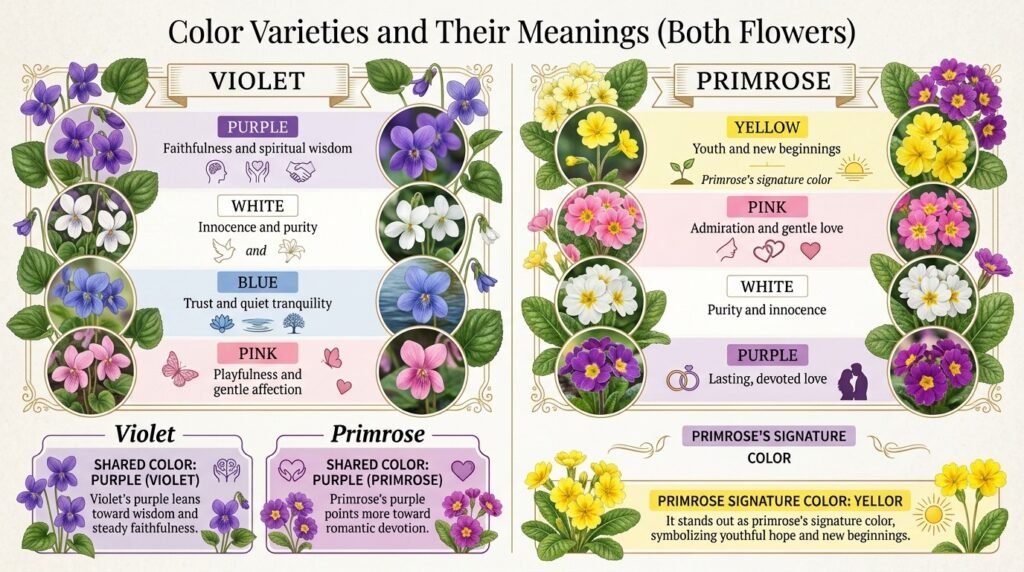
| Flower | Color | Meaning |
| Violet | Purple | Faithfulness and spiritual wisdom |
| Violet | White | Innocence and purity |
| Violet | Blue | Trust and quiet tranquility |
| Violet | Pink | Playfulness and gentle affection |
| Primrose | Yellow | Youth and new beginnings |
| Primrose | Pink | Admiration and gentle love |
| Primrose | White | Purity and innocence |
| Primrose | Purple | Lasting, devoted love |
Purple appears as a meaningful shared color between both flowers, though it carries slightly different emotional weight in each case. Violet’s purple leans toward wisdom and steady faithfulness, while primrose’s purple points more toward romantic devotion. Yellow stands out as primrose’s signature color, since it’s the shade most closely tied to the flower’s core meaning of youthful hope.
How to Grow Violet
Violets are an easy, low-maintenance perennial that rewards very little effort.
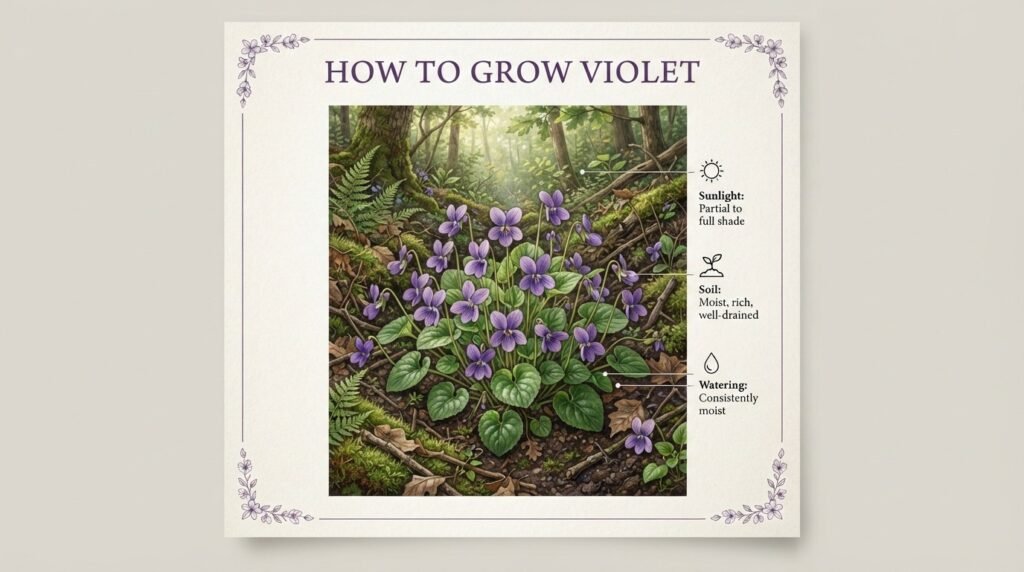
Sunlight: Partial to full shade works best, especially in warmer climates. Cooler regions can support a bit more direct sun.
Soil: Moist, rich, well-drained soil suits violets well. They thrive in woodland-style garden conditions.
Watering: Keep the soil consistently moist, particularly during dry spells in spring and early summer.
Planting season: Plant in spring or fall, giving the roots time to settle before extreme weather arrives.
Difficulty level: Easy. Violets often self-seed and spread readily, so some gardeners keep an eye on their growth to prevent them from taking over a shaded bed.
How to Grow Primrose
Primrose asks for slightly cooler conditions than violet, but it’s still a manageable choice for most gardeners.
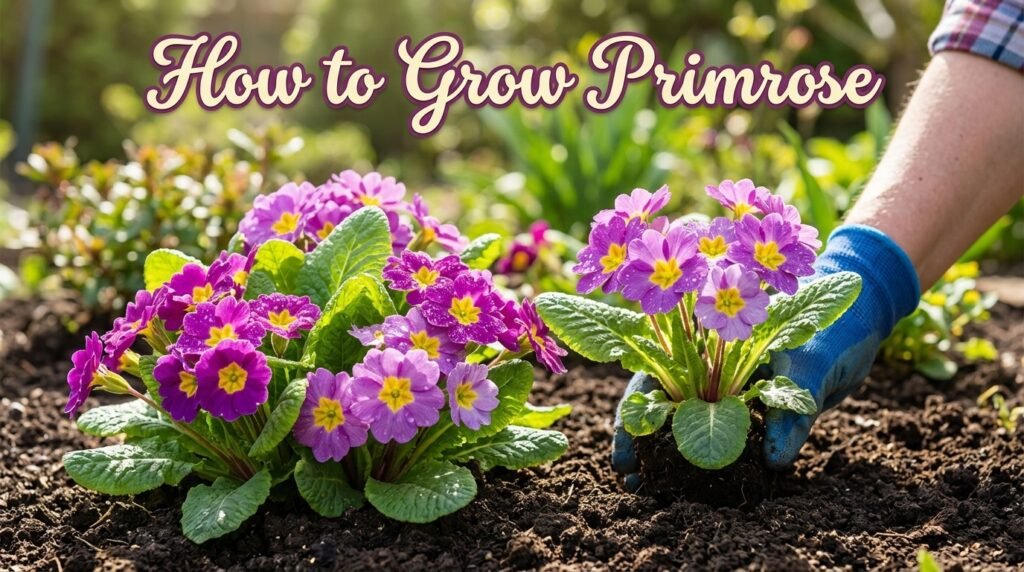
Sunlight: Partial shade is ideal, with some morning sun and afternoon shade. Full sun can stress the plant in warmer climates.
Soil: Moist, rich, well-drained soil works best, similar to violet’s preferred conditions.
Watering: Water consistently, since primrose doesn’t tolerate extended dry spells well.
Planting season: Plant in early spring or fall, timing it to avoid the harshest summer heat.
Difficulty level: Easy to moderate. Primrose struggles in hot summer climates and is sometimes grown as a short-lived perennial or biennial rather than a long-term fixture in warmer gardens.
Gift Ideas Using February’s Birth Flowers
Both February birth flowers make thoughtful, well-suited gifts. Here are a few ways to use them well:
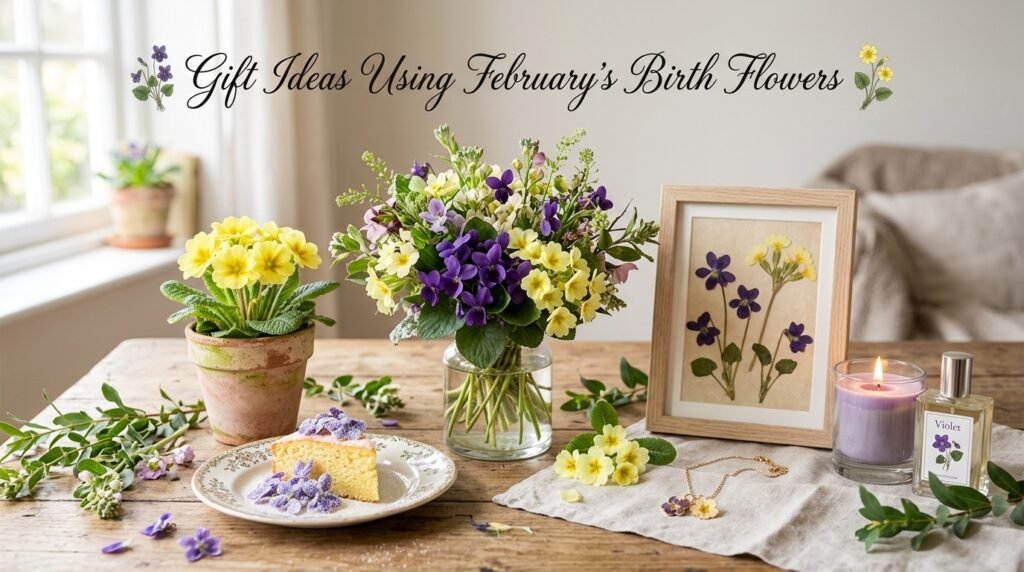
- A mixed bouquet pairing deep purple violets with cheerful yellow primroses for a soft, early-spring look
- Candied violets, a classic edible treat used to decorate cakes and desserts
- A potted primrose plant, ideal for someone who wants early color indoors or on a porch before spring fully arrives
- A pressed flower keepsake, combining sprigs of both blooms in a simple frame
- A birth flower necklace or pin, featuring both the violet and primrose for someone born in February
- A violet-scented perfume or candle, capturing the flower’s fragrance year-round
Famous People Born in February and Their Connection to the Flowers
Several well-known figures share a February birthday, and the symbolism of both flowers fits them in fitting ways.
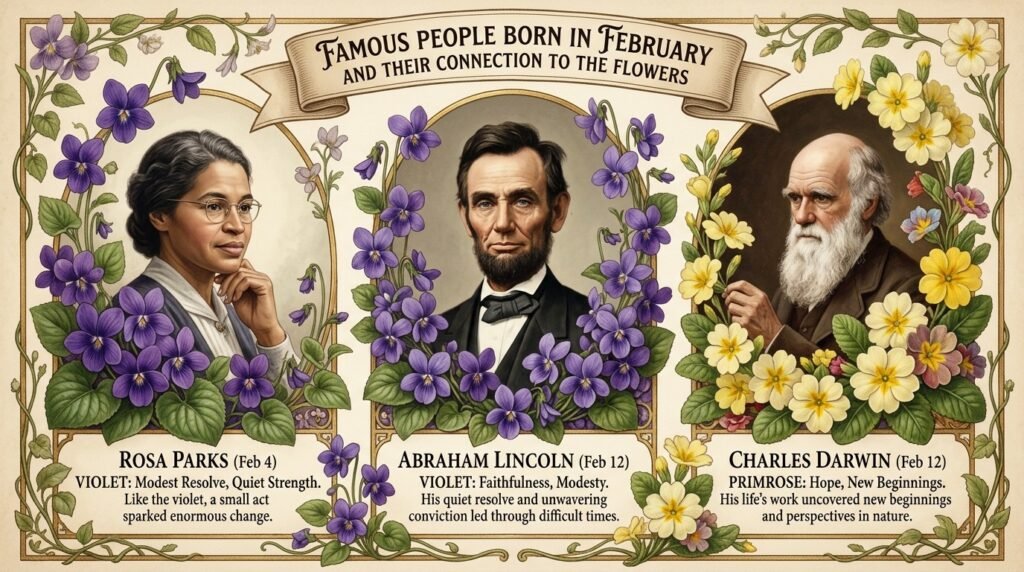
Abraham Lincoln, born February 12, led with quiet resolve and unwavering moral conviction during one of history’s most difficult periods. That steady, understated strength echoes the violet’s symbolism of faithfulness and modesty.
Rosa Parks, born February 4, showed how a small, quiet act could spark enormous change. That same sense of modest but powerful resolve lines up closely with the violet’s core meaning.
Charles Darwin, born February 12, spent his life uncovering new beginnings in how the world understood nature itself. That spirit of discovery and fresh perspective mirrors the primrose’s symbolism of hope and new beginnings well.
February Birthstone (Brief Mention)
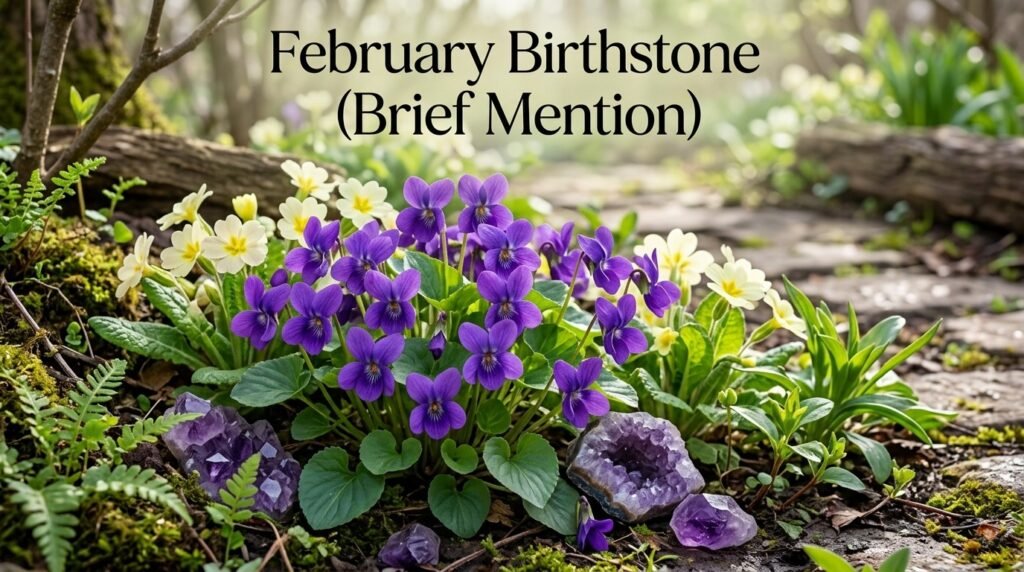
Alongside its two birth flowers, February also has its own birthstone: Amethyst. This deep purple gem shares its color almost exactly with the violet, tying the month’s birthstone and primary birth flower together in one shared, meaningful shade.
Fun Facts About Violet and Primrose
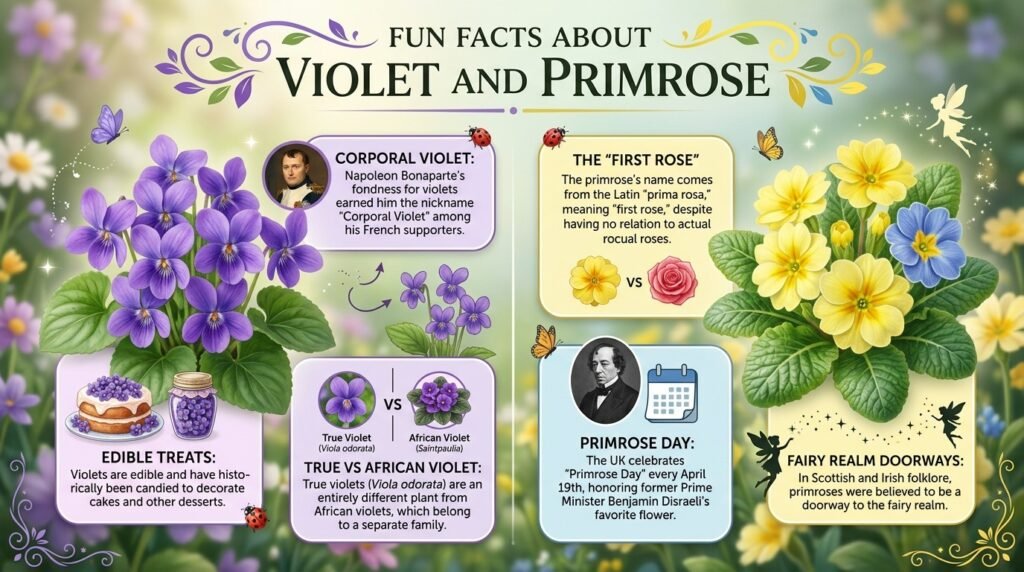
- Napoleon Bonaparte’s fondness for violets earned him the nickname “Corporal Violet” among his French supporters.
- Violets are edible and have historically been candied to decorate cakes and other desserts.
- The primrose’s name comes from the Latin “prima rosa,” meaning “first rose,” despite having no relation to actual roses.
- The UK celebrates “Primrose Day” every April 19th, honoring former Prime Minister Benjamin Disraeli’s favorite flower.
- In Scottish and Irish folklore, primroses were believed to be a doorway to the fairy realm.
- True violets, Viola odorata, are an entirely different plant from African violets, which belong to a separate family altogether.
Conclusion
February offers two birth flowers that quietly complement each other. The violet brings modest, steady devotion, a flower content to bloom low and unnoticed rather than demand attention. The primrose adds genuine hope: the season’s first real sign that spring is on its way. Together, these two February birth flowers capture the full spirit of the month, quiet loyalty paired with the earliest hint of renewal. Whether you’re shopping for someone born in February or simply curious about the tradition, either flower makes a genuinely meaningful choice.
FAQs
What is the official February birth flower?
The primary February birth flower is the violet. Its secondary birth flower is the primrose, though some regional traditions also cite iris as an alternate February flower.
What does the violet symbolize?
The violet symbolizes modesty, faithfulness, and spiritual wisdom, along with a broader meaning of loyal, quiet love. Its history stretches back to ancient Greek mythology and, much later, to Napoleon Bonaparte’s personal fondness for the flower.
What does the primrose flower mean?
The primrose symbolizes youth, hope, and new beginnings, fitting for a flower that blooms among the very first signs of spring. It’s also tied to Scottish and Irish folklore involving fairies and protection.
Is primrose easy to grow?
Primrose is easy to moderately easy to grow, though it prefers cooler conditions and can struggle through hot summers. Partial shade and consistently moist soil give it the best chance to thrive.
Why is iris sometimes mentioned as a February flower too?
Iris appears in some older, regionally specific flower calendars, particularly those influenced by ancient Greek tradition. Violet and primrose remain the most widely recognized pairing today, but iris still shows up as a commonly cited alternate.
Are violets and African violets the same plant?
No, true violets (Viola odorata) and African violets (Saintpaulia) belong to entirely different plant families, despite sharing a similar name and color. True violets are the ones traditionally recognized as February’s birth flower.
Why does February have two birth flowers instead of one?
Several months, including February, ended up with two birth flowers because regional flower calendars from different eras eventually merged into one widely accepted list. The violet and primrose pairing reflects both ancient Greek symbolism and centuries of British and European folklore.