

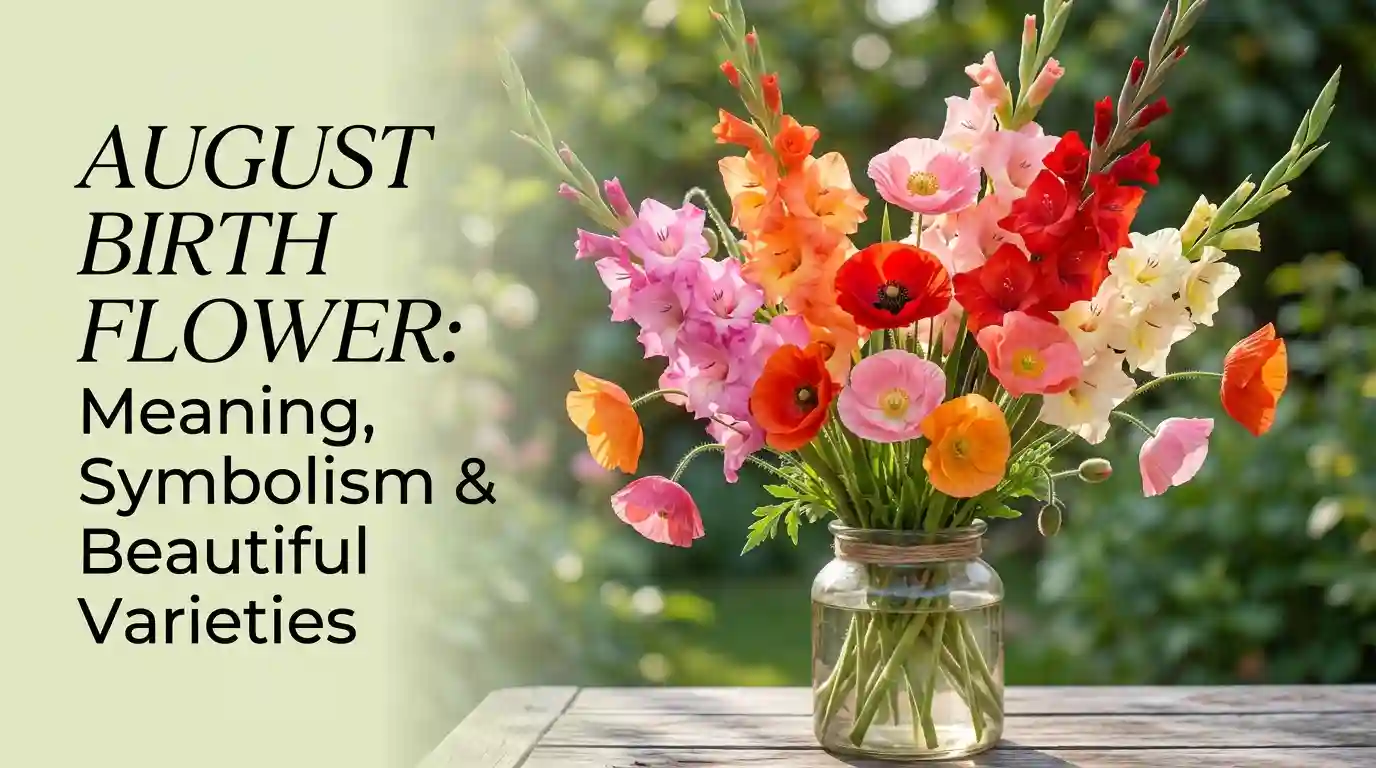
August sits at the height of summer heat, right before the first hints of fall creep in. Gardens reach their peak. Color feels bold and unapologetic. And the August birth flower matches that energy perfectly, standing tall and vivid through the warmest stretch of the year.
- What Is a Birth Flower?
- August’s Birth Flower(s): Overview
- History and Origin of Gladiolus
- History and Origin of Poppy
- Meaning and Symbolism of Gladiolus
- Meaning and Symbolism of Poppy
- Color Varieties and Their Meanings (Both Flowers)
- How to Grow Gladiolus
- How to Grow Poppy
- Gift Ideas Using August’s Birth Flowers
- Famous People Born in August and Their Connection to the Flowers
- August Birthstone (Brief Mention)
- Fun Facts About Gladiolus and Poppy
- Conclusion
- FAQs
Quick Answer: August actually has two birth flowers. The Gladiolus is the primary birth flower for August. It stands for strength, integrity, and remembrance. The Poppy is the secondary August birth flower. It represents peace, imagination, and eternal rest. Together, they capture what August feels like — bold, upright resilience paired with a softer, more reflective beauty.
If you were born in August, both of these blooms belong to you. Here’s everything worth knowing about each one.
What Is a Birth Flower?
A birth flower is a bloom tied to your birth month, working much as a birthstone does. Each month carries its own flower, and quite a few months, August included, carry two.
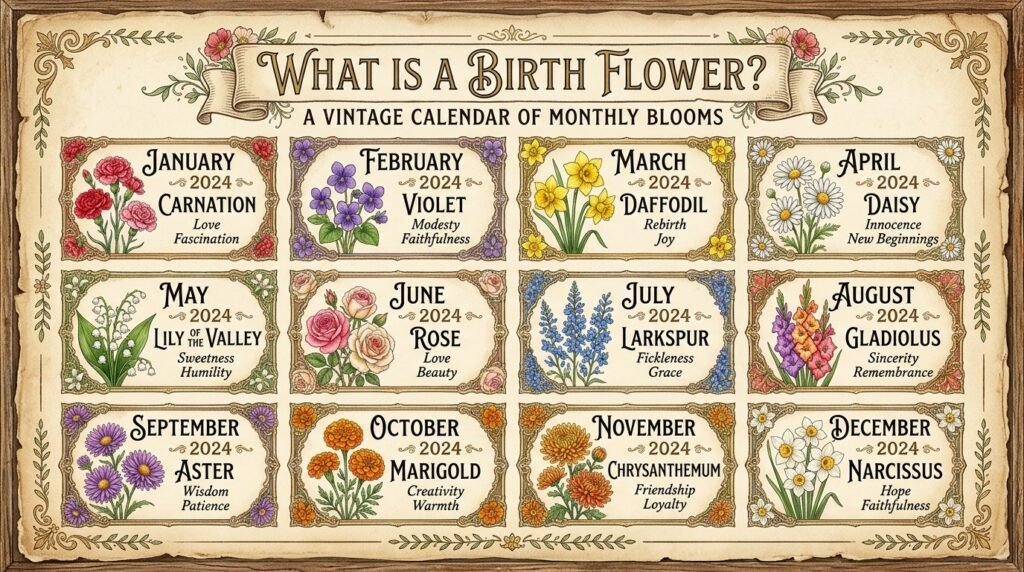
This tradition goes back centuries, growing out of old Roman flower festivals and, later, Victorian-era “flower language.” During that period, people used specific blooms to express feelings that felt too personal for plain words. Every flower carried its own coded meaning, understood by anyone familiar with the custom.
Over time, different regions built their own flower calendars. Many of these separate lists eventually merged into the version most people recognize today, which is exactly why several months ended up with two flowers instead of one. The tradition still holds up now, especially among florists and thoughtful gift-givers. Choosing someone’s birth flower turns a simple gesture into something personal.
August’s Birth Flower(s): Overview
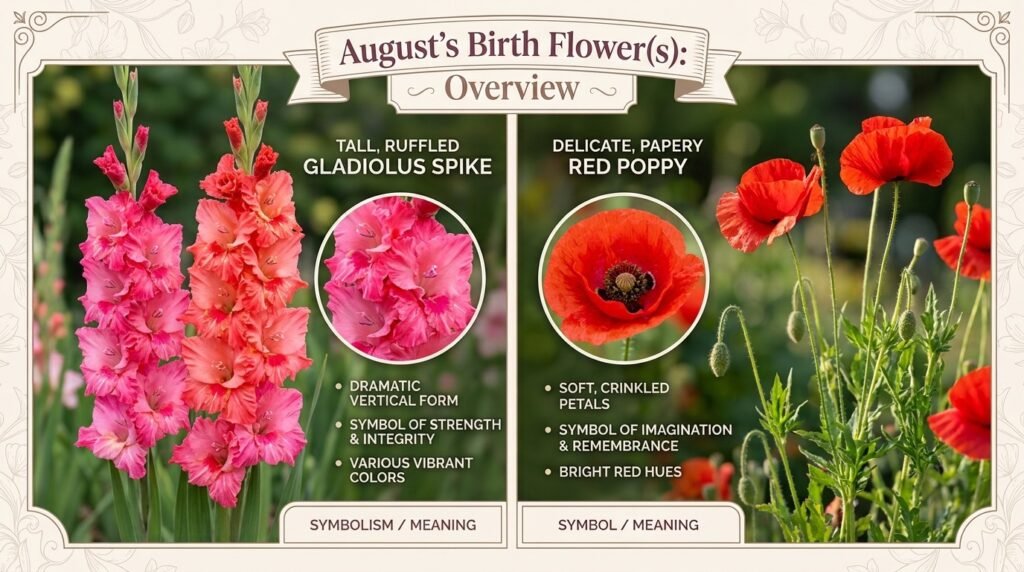
August brings together two blooms with very different postures. One stands tall and upright, almost architectural. The other sways low and delicate, with petals that feel almost weightless.
The Gladiolus (Primary)
The botanical name for the primary August flower is Gladiolus, a genus with hundreds of species and hybrids. Its name comes from the Latin word for “sword,” a nod to its long, pointed leaves. Tall flower spikes rise straight up, lined with ruffled blooms that open gradually from the bottom to the top.
Gladiolus is native primarily to South Africa, with additional species found around the Mediterranean and parts of Asia. It’s a bold, statement-making flower, often growing three to five feet tall in a single growing season. Its dramatic height and wide color range make it a favorite for both garden beds and cut arrangements.
The Poppy (Secondary)
The botanical name for the secondary August flower covers several species, most commonly Papaver rhoeas, the classic red field poppy. Its thin, tissue-paper petals surround a dark central seed pod, giving the flower a delicate, almost fragile appearance. A single stem typically holds one bloom, nodding gently before opening.
Poppies are native to Europe, Asia, and parts of North Africa, thriving in open fields and disturbed soil. Unlike the gladiolus’s upright structure, the poppy grows low and airy, with thin stems that move easily in the breeze. Its short bloom life makes each flower feel especially fleeting and precious.
History and Origin of Gladiolus
Gladiolus carries a bold history that traces back to ancient Rome. The flower’s name comes directly from “gladius,” the Latin word for sword, describing its narrow, blade-like leaves. According to popular historical accounts, Roman gladiators were said to carry gladiolus corms into the arena for good luck, and victorious fighters were sometimes showered with the flower after a win.
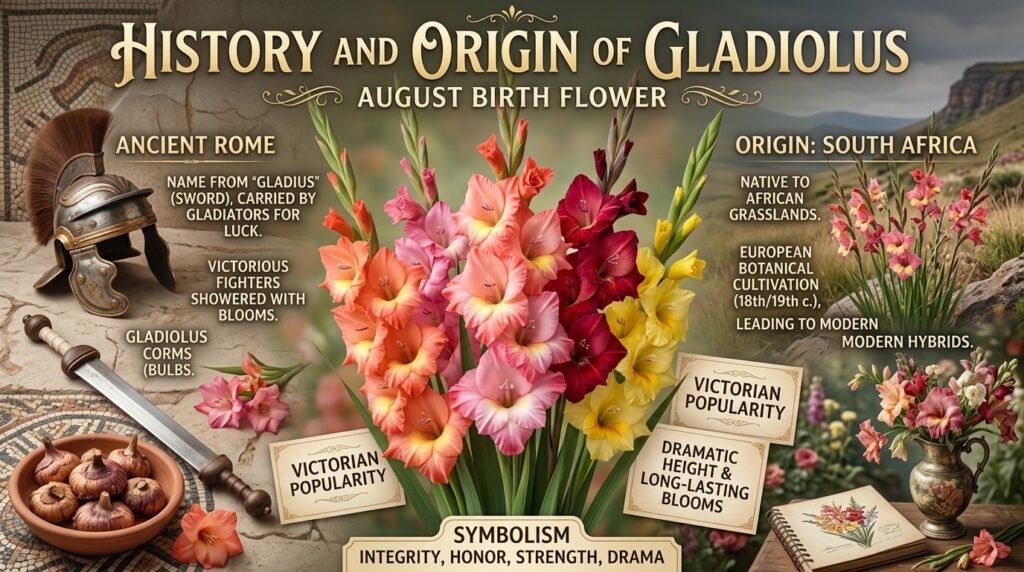
The plant itself is native primarily to South Africa, where dozens of wild species still grow across the region’s grasslands and rocky slopes. European botanists began cultivating and hybridizing these South African species heavily during the 18th and 19th centuries, which led to the tall, ruffled garden varieties most people recognize today.
Gladiolus reached peak popularity in Victorian gardens and cutting beds, prized for its dramatic height and long-lasting blooms. That combination of ancient symbolism and striking, upright form is exactly what secured its place as August’s primary birth flower.
History and Origin of Poppy
The poppy’s history stretches back even further, with roots in ancient Greek and Roman mythology. The flower was closely associated with Hypnos and Morpheus, the gods of sleep and dreams, since poppies were often found growing wild among wheat fields, appearing to spring from a restful, quiet landscape.
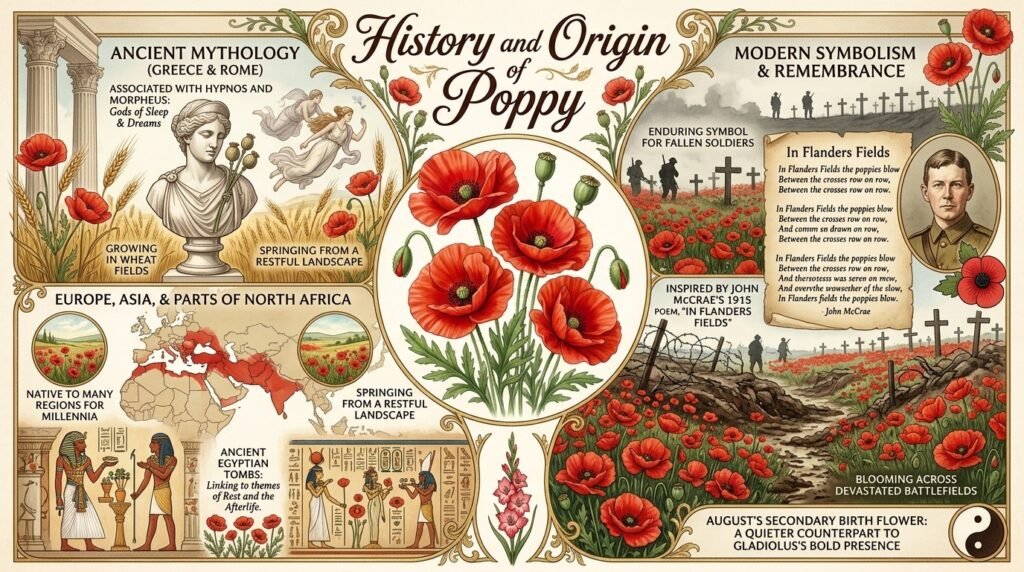
Poppies are native across Europe, Asia, and parts of North Africa, where they’ve grown as a common field flower for thousands of years. Ancient Egyptian tombs even included poppy imagery, linking the flower to themes of rest and the afterlife long before European traditions picked up similar meanings.
The poppy’s most powerful modern association, though, comes from the 20th century. After World War I, the flower became the enduring symbol of remembrance for fallen soldiers, inspired directly by John McCrae’s 1915 poem, “In Flanders Fields,” which described poppies blooming across the war’s devastated battlefields.
This blend of ancient symbolism and modern remembrance gives the poppy real emotional weight as August’s secondary birth flower, a quieter counterpart to the gladiolus’s bold, upright presence.
Meaning and Symbolism of Gladiolus
Gladiolus symbolism centers on strength and sincerity, fitting for a flower with such a bold, upright form. Here’s what it commonly represents:
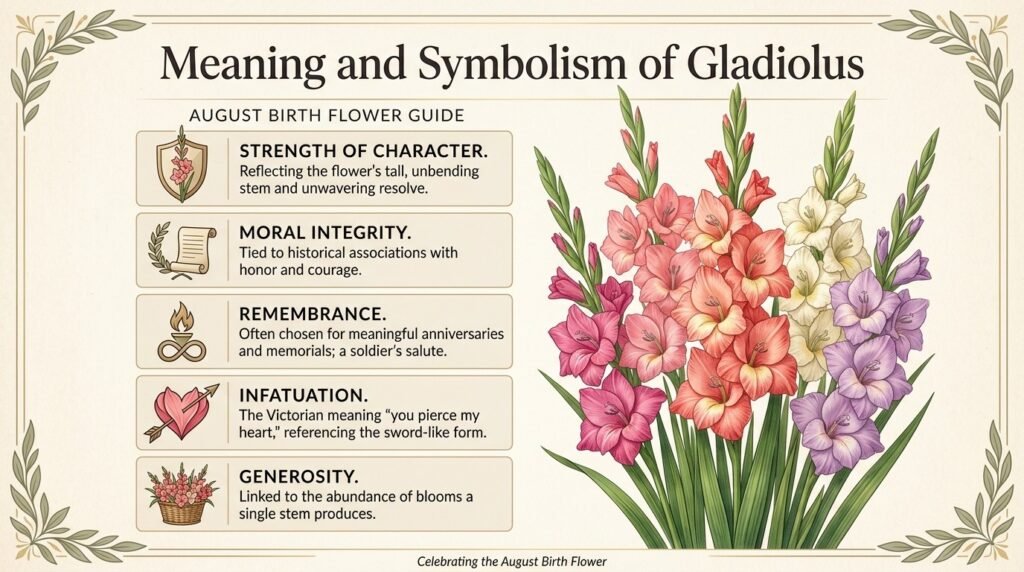
- Strength of character — reflecting the flower’s tall, unbending stem
- Moral integrity — a meaning tied to its historical association with honor and courage
- Remembrance — often chosen for meaningful anniversaries and memorials
- Infatuation — a Victorian-era meaning sometimes phrased as “you pierce my heart,” referencing the flower’s sword-like shape
- Generosity — linked to the way a single stem produces so many individual blooms
Meaning and Symbolism of Poppy
Poppy symbolism leans softer and more reflective. Here’s what it commonly represents:
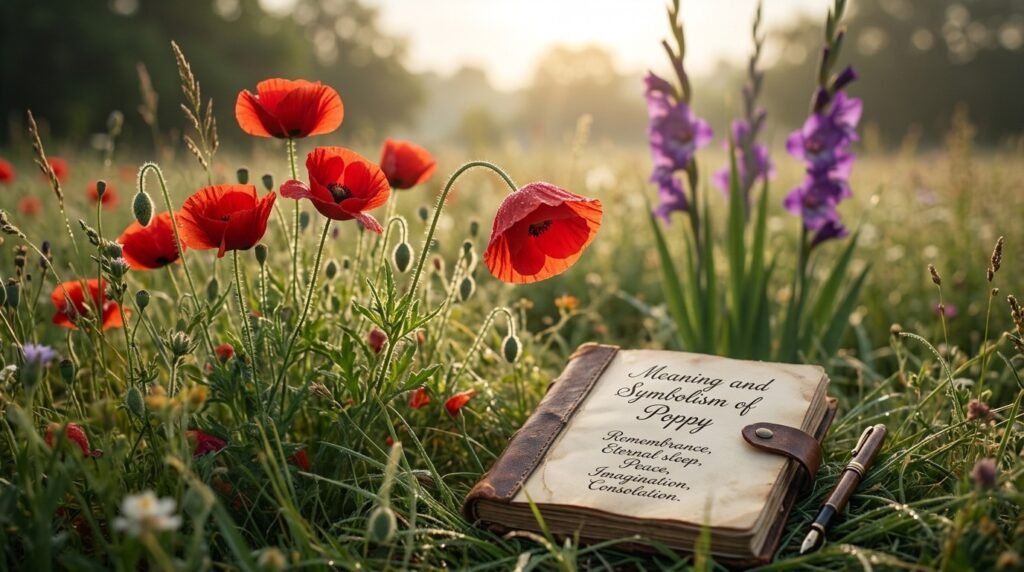
- Remembrance — its most widely known modern meaning, tied to fallen soldiers and Remembrance Day traditions
- Eternal sleep — an older meaning drawn from its mythological ties to the gods of sleep and dreams
- Peace — a natural extension of its remembrance symbolism
- Imagination — linked to the dreamlike associations carried through Greek mythology
- Consolation — often chosen specifically for its gentle, comforting meaning during times of loss
Think of these two August flowers as a soldier’s salute and a quiet moment of silence afterward — the gladiolus stands tall with unwavering resolve, while the poppy bows gently, holding space for reflection.
Color Varieties and Their Meanings (Both Flowers)
Both August flowers come in a wide, vivid range of colors, and each shade adds its own layer of meaning. The table below breaks down the most common color varieties for the gladiolus and the poppy side by side.
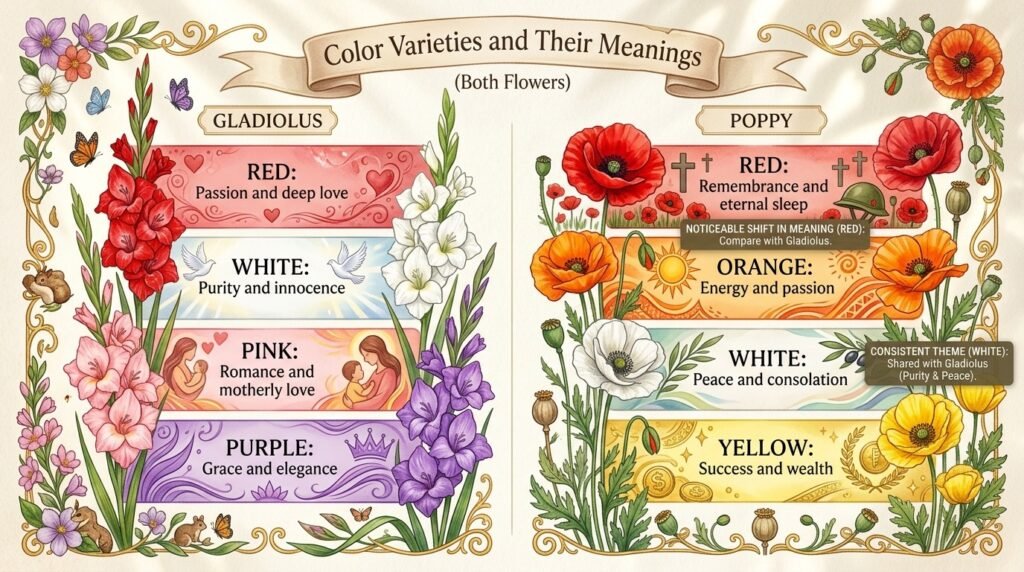
| Flower | Color | Meaning |
| Gladiolus | Red | Passion and deep love |
| Gladiolus | White | Purity and innocence |
| Gladiolus | Pink | Romance and motherly love |
| Gladiolus | Purple | Grace and elegance |
| Poppy | Red | Remembrance and eternal sleep |
| Poppy | Orange | Energy and passion |
| Poppy | White | Peace and consolation |
| Poppy | Yellow | Success and wealth |
Red appears as a strong, shared color between both flowers, though the meaning shifts noticeably depending on which bloom carries it. Gladiolus red leans toward romantic passion, while poppy red carries the far weightier meaning of remembrance and sacrifice. White tells a gentler, more consistent story across both flowers, representing purity and peace in nearly identical ways.
How to Grow Gladiolus
Gladiolus rewards a little extra effort with genuinely dramatic summer blooms.
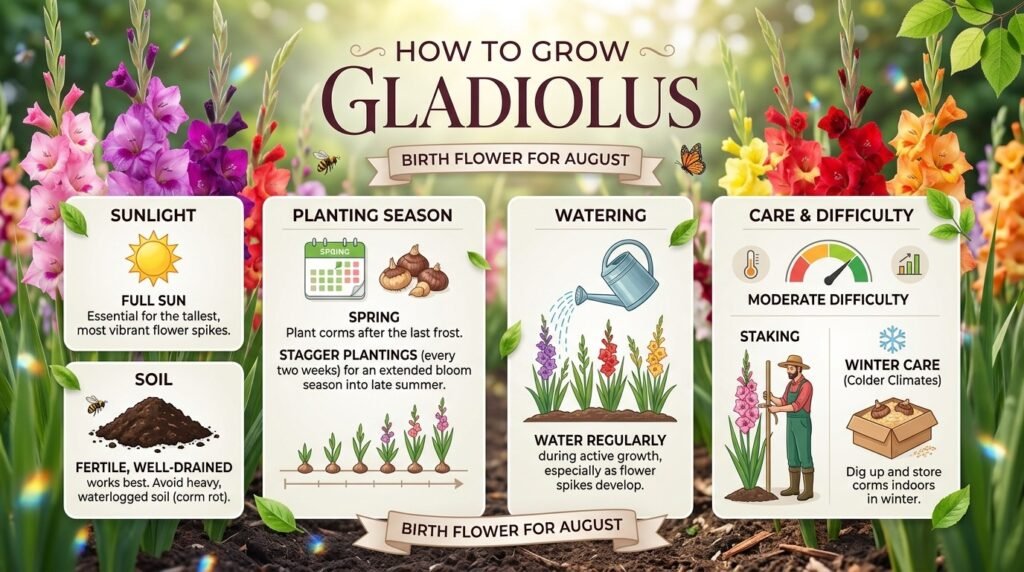
Sunlight: Full sun is essential for the tallest, most vibrant flower spikes.
Soil: Fertile, well-drained soil works best. Heavy, waterlogged soil can cause the corms to rot.
Watering: Water regularly during active growth, especially as the flower spikes begin to develop.
Planting season: Plant corms in spring after the last frost. Staggering plantings every two weeks extends the bloom season well into late summer.
Difficulty level: Moderate. Taller varieties often need staking to stay upright, and in colder climates, corms should be dug up and stored indoors over winter.
How to Grow Poppy
Poppy is a much lower-maintenance option, especially for gardeners who enjoy a bit of unpredictability.
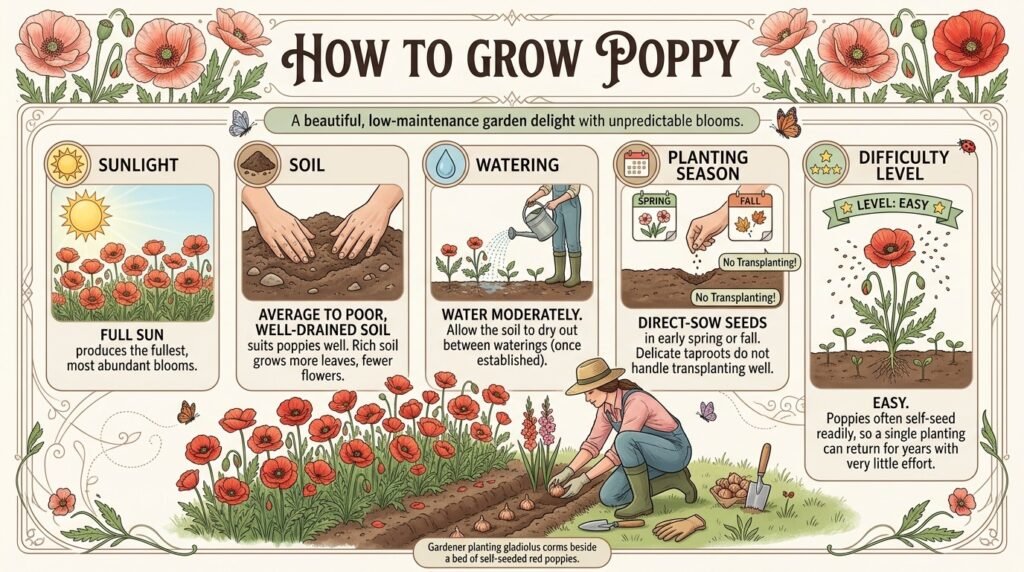
Sunlight: Full sun produces the fullest, most abundant blooms.
Soil: Average to poor, well-drained soil actually suits poppies well. Rich soil tends to produce more leaves and fewer flowers.
Watering: Water moderately, allowing the soil to dry out between waterings once seedlings are established.
Planting season: Direct-sow seeds in early spring or fall, since poppies have a delicate taproot that doesn’t handle transplanting well.
Difficulty level: Easy. Poppies often self-seed readily, meaning a single planting can return year after year with very little effort.
Gift Ideas Using August’s Birth Flowers
Both August birth flowers make thoughtful, well-suited gifts. Here are a few ways to use them well:
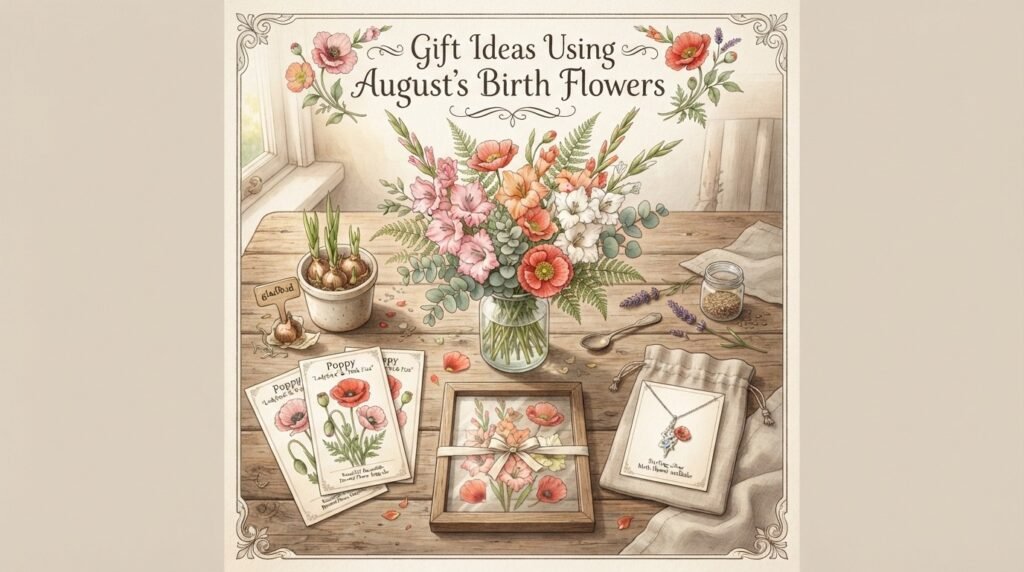
- A mixed bouquet pairing tall gladiolus spikes with delicate poppies for a striking, layered arrangement
- Poppy seed packets, a meaningful gift for someone who wants to grow their own remembrance garden
- A potted gladiolus bulb kit, ideal for someone who wants dramatic summer color in their own yard
- A pressed flower keepsake, combining sprigs of both blooms in a simple frame
- A birth flower necklace or pin, featuring both the gladiolus and poppy for someone born in August
- A 40th wedding anniversary gift, since gladiolus is the traditional flower for that milestone
Famous People Born in August and Their Connection to the Flowers
Several well-known figures share an August birthday, and the symbolism of both flowers fits them in fitting ways.

Barack Obama, born August 4, built a public career defined by steady resolve and moral conviction. That same sense of integrity and strength echoes the gladiolus and its symbolism of character and honor.
Neil Armstrong, born August 5, carried himself with quiet, deliberate courage during one of history’s most defining moments. That grounded bravery lines up naturally with the gladiolus’s meaning of strength and remembrance.
Whitney Houston, born August 9, left behind a legacy that continues to be honored and remembered by millions. That enduring sense of memory and tribute mirrors the poppy’s central symbolism closely.
August Birthstone (Brief Mention)
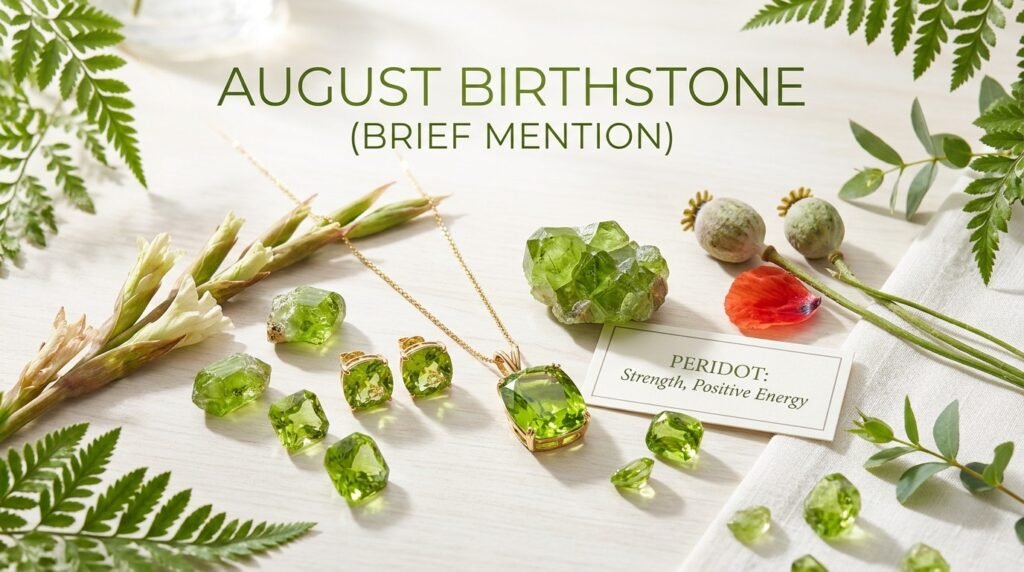
Alongside its two birth flowers, August also has its own birthstone: Peridot. This vibrant green gem is traditionally linked to strength and positive energy, themes that pair naturally with the gladiolus’s bold symbolism and the poppy’s quieter message of peace.
Fun Facts About Gladiolus and Poppy
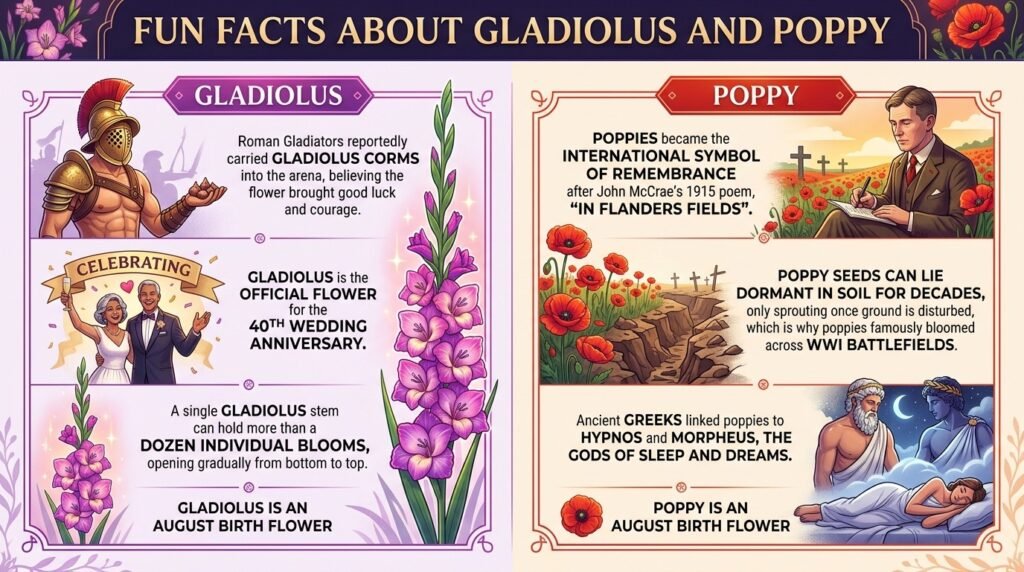
- Roman gladiators reportedly carried gladiolus corms into the arena, believing the flower brought good luck and courage.
- Gladiolus is the official flower for the 40th wedding anniversary.
- Poppies became the international symbol of remembrance after John McCrae’s 1915 poem, “In Flanders Fields.”
- Poppy seeds can lie dormant in soil for decades, only sprouting once the ground is disturbed, which is exactly why poppies famously bloomed across WWI battlefields.
- Ancient Greeks linked poppies to Hypnos and Morpheus, the gods of sleep and dreams.
- A single gladiolus stem can hold more than a dozen individual blooms, opening gradually from the bottom to the top of the spike.
Conclusion
August offers two birth flowers that stand in beautiful contrast to one another. The gladiolus brings bold, upright strength, a flower built to command attention through the height of summer. The poppy adds something gentler: remembrance, peace, and a quiet reminder to pause and reflect. Together, these two August birth flowers capture the full spirit of the month, unwavering resolve balanced by tender reflection. Whether you’re shopping for someone born in August or simply curious about the tradition, either flower makes a genuinely meaningful choice.
FAQs
What is the official August birth flower?
The primary August birth flower is the gladiolus. Its secondary birth flower is the poppy, and both are widely recognized in Western flower traditions.
What does the gladiolus symbolize?
The gladiolus symbolizes strength of character, moral integrity, and remembrance. It’s also linked to a Victorian-era meaning of infatuation, tied to its sword-like shape.
What does the poppy flower mean?
The poppy symbolizes remembrance and peace, most famously tied to honoring fallen soldiers since World War I. It also carries older meanings of eternal sleep and imagination from Greek mythology.
Is poppy easy to grow?
Yes, poppies are genuinely easy to grow from seed and often self-seed readily once established. They actually prefer average or poor soil over rich, heavily fertilized ground.
Are gladiolus and poppy related?
No, the two flowers belong to entirely different plant families. Gladiolus is part of the iris family, Iridaceae, while poppy belongs to the Papaveraceae family, despite both sharing August as a birth month.
Why is the poppy associated with war remembrance?
Poppies grew abundantly across the disturbed soil of World War I battlefields, inspiring John McCrae’s famous 1915 poem. That imagery led to the poppy becoming a lasting international symbol worn each year on Remembrance Day and Veterans Day.
Why does August have two birth flowers instead of one?
Several months, including August, ended up with two birth flowers because regional flower calendars from different eras eventually merged into one widely accepted list. The gladiolus and poppy pairing reflects both ancient Roman symbolism and more recent 20th-century remembrance traditions.