

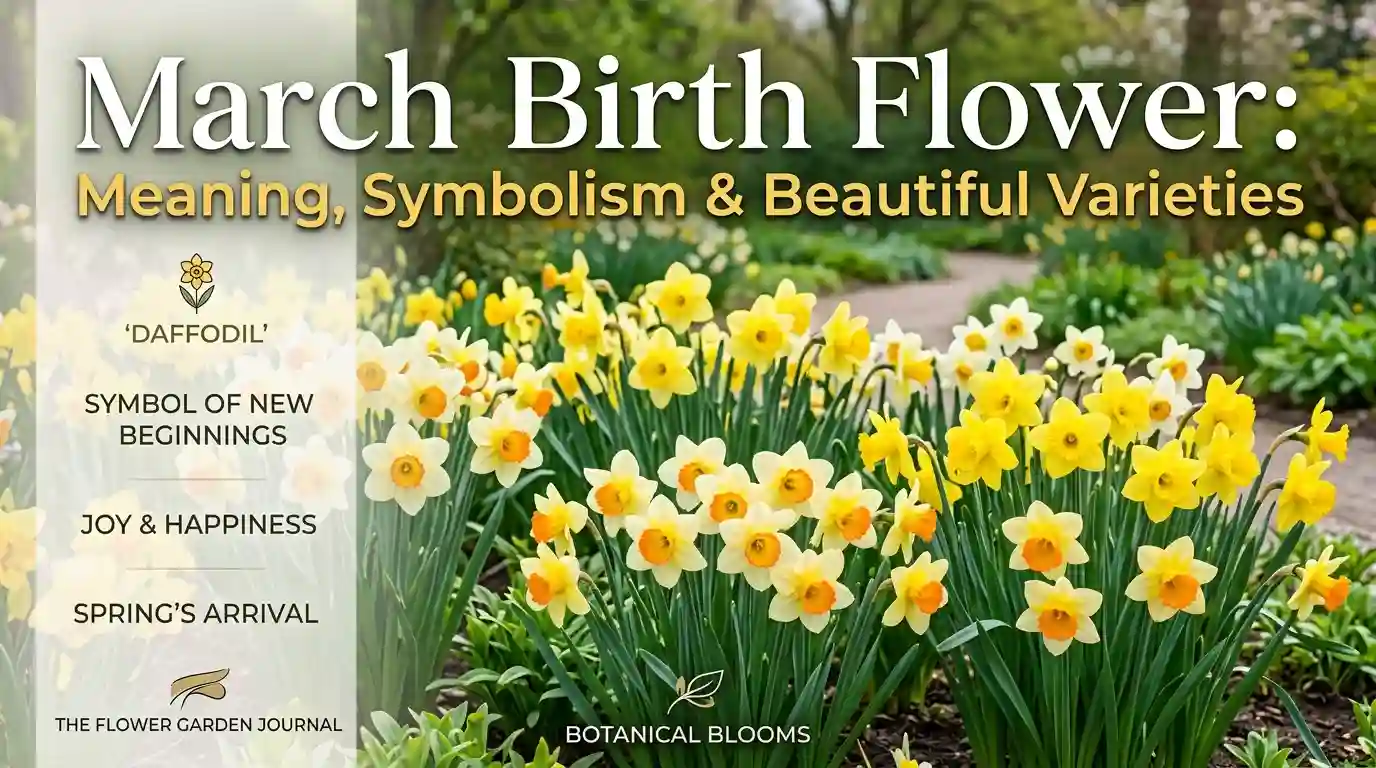
Spring starts to stir in March. Snow melts. Days grow longer. And right on cue, the March birth flower pushes up through the cold soil like a small burst of sunshine.
- What Is a Birth Flower?
- March’s Birth Flower(s): Overview
- History and Origin of Daffodil
- History and Origin of Jonquil
- Meaning and Symbolism of Daffodil
- Meaning and Symbolism of Jonquil
- Color Varieties and Their Meanings (Both Flowers)
- How to Grow Daffodils
- How to Grow Jonquil
- Gift Ideas Using March’s Birth Flowers
- Famous People Born in March and Their Connection to the Flowers
- March Birthstone (Brief Mention)
- Fun Facts About Daffodil and Jonquil
- Conclusion
- FAQs
Quick Answer: March actually has two birth flowers. The Daffodil is the primary birth flower for March. It stands for new beginnings, hope, and rebirth. The Jonquil is the secondary March birth flower. It represents desire and affection returned. Together, they capture exactly what March feels like — the shift from winter’s stillness into spring’s first bloom.
If you were born in March, these two flowers are yours. Let’s look at what makes each one special.
What Is a Birth Flower?
A birth flower is a bloom tied to your birth month. It works a lot like a birthstone. Each month gets its own flower, or sometimes two.
This tradition goes back centuries. It grew out of older customs, including the Roman feast of Floralia and Victorian-era “flower language.” During the Victorian period, people used flowers to send messages they couldn’t say out loud. Every bloom carried a meaning.
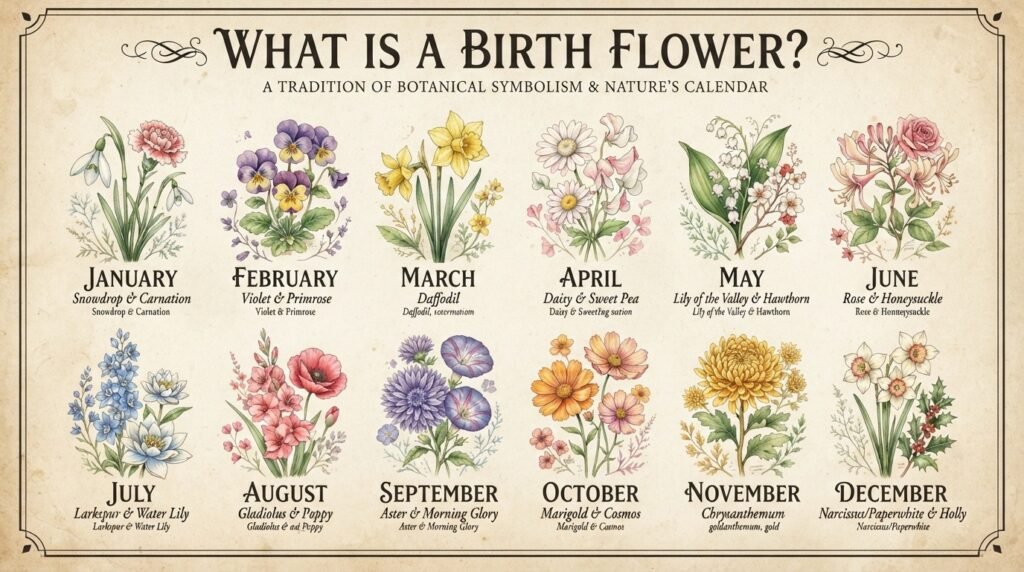
Over time, calendars matched specific flowers to specific months. The system is stuck. Today, gift shops, florists, and jewelry brands still use it. Giving someone their birth flower is a simple, personal gesture. It says, “I thought about you specifically.”
March’s Birth Flower(s): Overview
March gives us two flowers instead of one. They’re closely related, but each has its own personality.
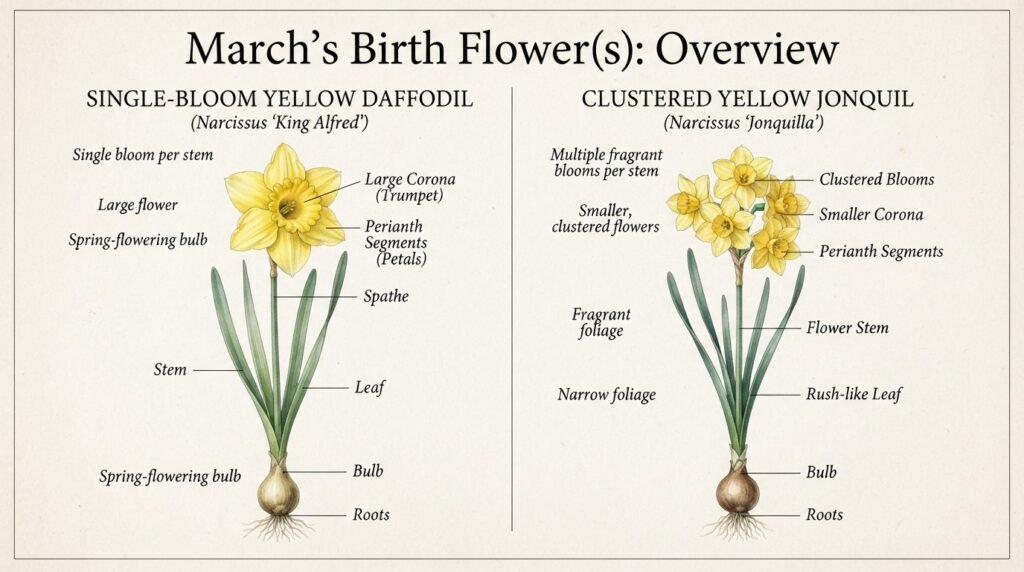
The Daffodil (Primary)
The daffodil’s botanical name is Narcissus pseudonarcissus. It’s the flower most people picture when they think of March. Its shape is unmistakable: a trumpet-shaped center, called a corona, surrounded by six petal-like segments.
Most daffodils are bright yellow. Some varieties come in white, orange, or soft pink. The plant grows from a bulb and returns year after year. Its blooms nod slightly on the stem, almost like they’re bowing to the sun.
The Jonquil (Secondary)
The jonquil’s botanical name is Narcissus jonquilla. It’s technically a type of narcissus too, closely related to the daffodil. But it looks and behaves differently in a few key ways.
Jonquils produce several small flowers on a single stem, not just one. Their leaves are thin and rounded, almost like reeds. And jonquils carry a strong, sweet fragrance that daffodils simply don’t have. This scent is one of the easiest ways to tell the two apart.
History and Origin of Daffodil
The daffodil’s story starts in Greek mythology. A beautiful young man named Narcissus fell in love with his own reflection in a pool of water. He couldn’t look away. Eventually, he wasted away and transformed into a flower that still bears his name.
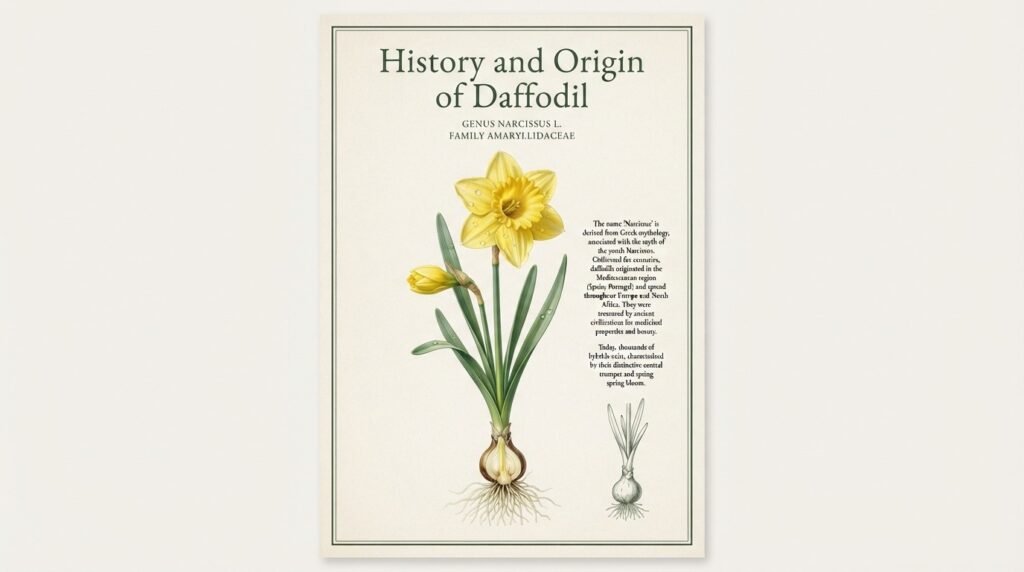
It’s a strange origin for such a cheerful bloom. But the flower’s link to March runs deeper than myth. Daffodils are native to Western Europe, especially Spain and Portugal. They naturalized widely across the United Kingdom, where they became a true symbol of early spring.
In Wales, the daffodil holds official status as the national flower. People wear it every year on St. David’s Day, which falls on March 1st. That timing lines up perfectly with the flower’s peak bloom and its claim on the entire month.
The daffodil also carries a more modern meaning. Cancer charities around the world use it as a symbol of hope and survival. Its early, defiant bloom through cold soil became a natural metaphor for resilience.
History and Origin of Jonquil
The jonquil’s history is quieter, but just as rich. Its name comes from the Spanish word “junco,” meaning rush or reed. That’s a direct reference to its narrow, rounded leaves, which really do resemble reed grass.
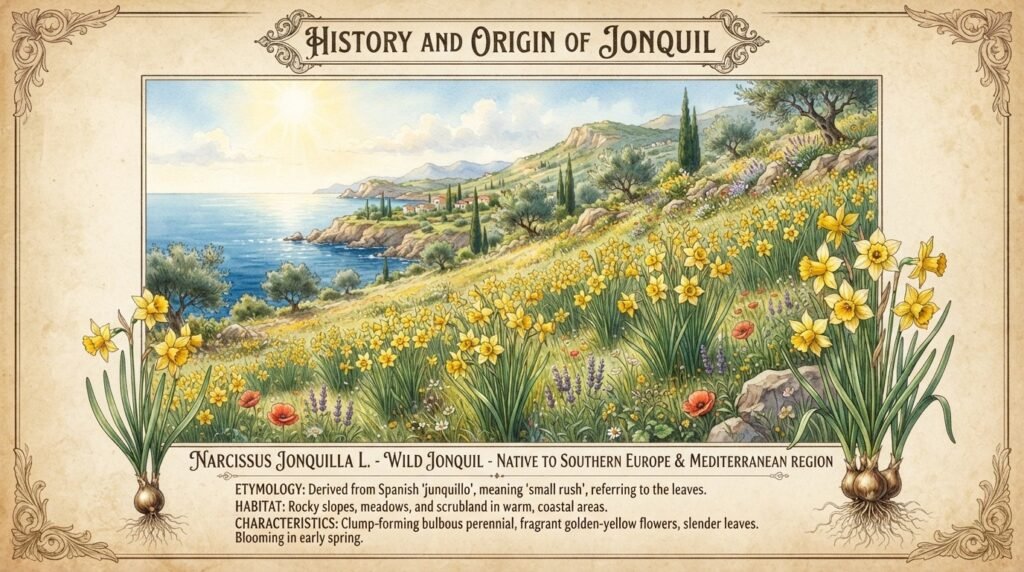
Jonquils are native to Spain and Portugal, much like their daffodil cousins. They grow wild across parts of the Mediterranean, thriving in warm, sunny conditions. European gardeners introduced them to England sometime in the 17th century, where they quickly became a garden favorite.
For a long time, people used “daffodil” and “jonquil” as interchangeable names. This mix-up still happens today, especially in casual conversation. Technically, though, jonquil refers to a specific narcissus species, not just any yellow spring flower.
During the Victorian era, the jonquil earned a very specific meaning in the language of flowers. Giving someone a jonquil sent a clear message: “I desire a return of affection.” It was a bold, romantic gesture disguised as a simple bouquet.
Meaning and Symbolism of Daffodil
The daffodil carries some of the most hopeful symbolism of any spring flower. Here’s what it commonly represents:
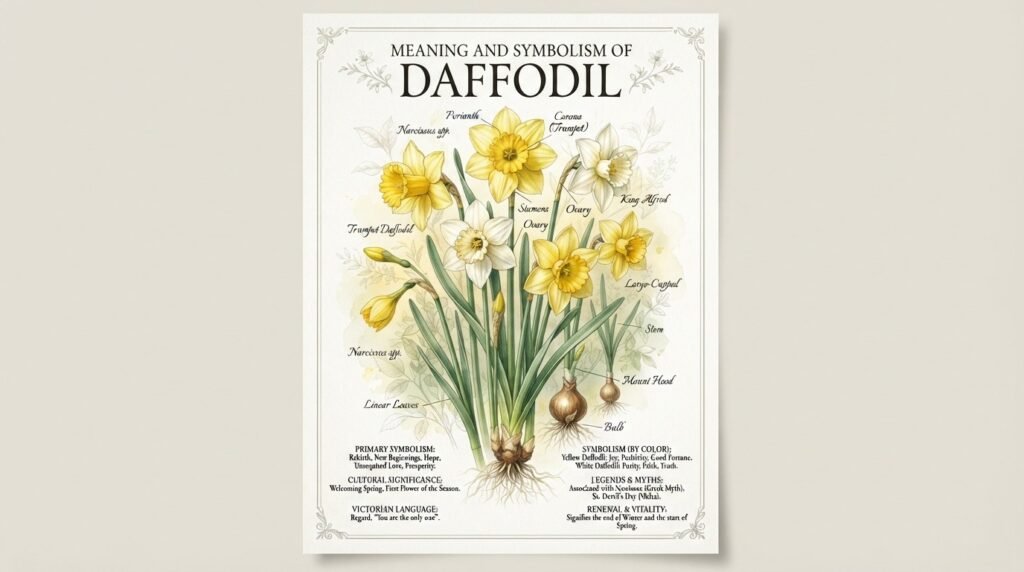
- New beginnings — its early bloom marks the true start of spring
- Rebirth and renewal — it returns from the ground year after year, even after harsh winters
- Hope — widely used by cancer support organizations as a symbol of encouragement
- Good fortune — in parts of Asia, a gift of daffodils is believed to bring wealth and luck
- Forgiveness — in some traditions, white daffodils specifically symbolize a fresh start between people
Meaning and Symbolism of Jonquil
The jonquil’s meaning leans more romantic and personal. Here’s what it commonly represents:
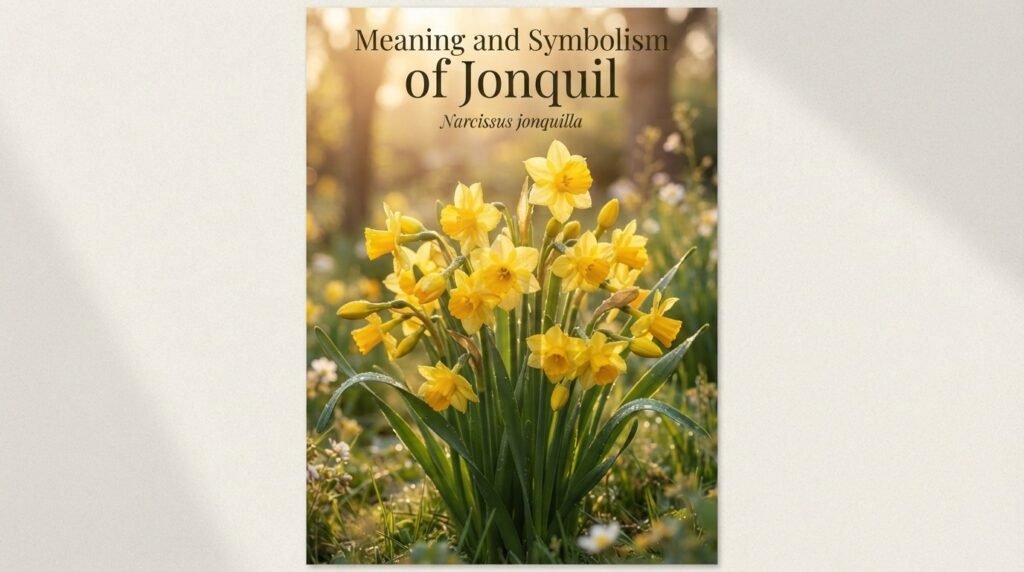
- Desire — its Victorian meaning centered on wanting someone’s affection returned
- Affection and warmth — its sweet fragrance made it a natural symbol of closeness
- Sympathy — in some cultures, jonquils are given as a gentle gesture of support during hard times
- Faithfulness — because it blooms each spring reliably, it became linked to loyalty
- Celebration — its clustered blooms are often tied to joyful, communal occasions
Think of the daffodil and jonquil as two verses of the same spring song — one bold and solo, the other soft and layered, both singing about the same season of new beginnings.
Color Varieties and Their Meanings (Both Flowers)
Both March birth flowers come in a small range of colors, and each shade adds its own layer of meaning. The table below breaks down the most common color varieties for the daffodil and the jonquil side by side.
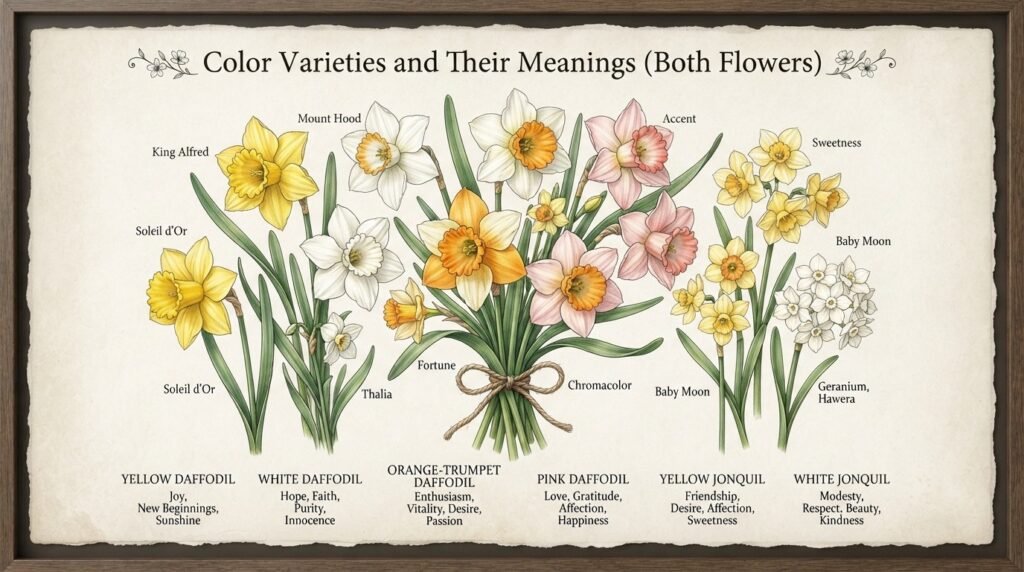
| Flower | Color | Meaning |
| Daffodil | Yellow | Joy, new beginnings, energy |
| Daffodil | White | Purity, forgiveness, fresh starts |
| Daffodil | Orange (trumpet) | Creativity, adventure, confidence |
| Daffodil | Pink | Gentle admiration, affection |
| Jonquil | Yellow | Desire, affection returned |
| Jonquil | White/Cream | Innocence, quiet devotion |
Yellow dominates both flowers, and that’s not a coincidence. It’s the color most associated with sunlight, warmth, and the literal arrival of spring. White varieties of both flowers soften that energy into something gentler — more about quiet renewal than bold celebration.
How to Grow Daffodils
Daffodils are one of the easier spring bulbs to grow, even for beginners.
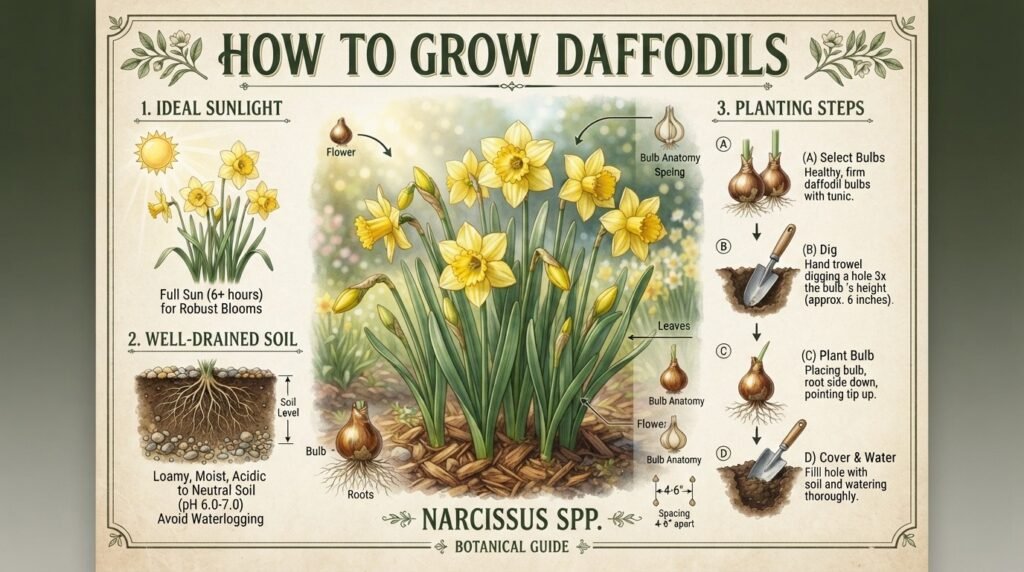
Sunlight: Full sun to partial shade works best.
Soil: Well-drained soil is essential. Soggy ground can rot the bulbs.
Watering: Water moderately while the plant is actively growing. Once flowering ends, let the soil dry out naturally.
Planting season: Plant bulbs in fall, ideally six to eight weeks before the first hard frost.
Difficulty level: Easy. Daffodils are hardy, low-maintenance, and tend to multiply on their own over the years.
How to Grow Jonquil
Jonquils follow a similar growing pattern, with a few small differences worth knowing.
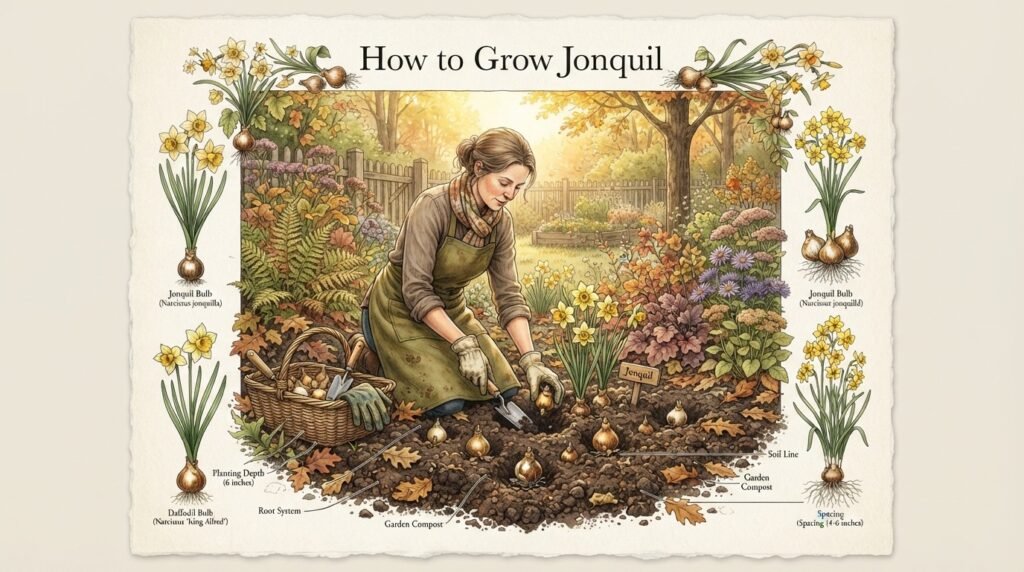
Sunlight: Full sun is ideal. Jonquils bloom best with plenty of direct light.
Soil: Well-drained soil, just like daffodils. Heavy clay soil should be loosened with compost first.
Watering: Water consistently during the growing season. Reduce watering once the blooms fade and the foliage starts to yellow.
Planting season: Plant bulbs in fall, similar timing to daffodils, before the ground freezes.
Difficulty level: Easy to moderate. Jonquils are slightly more cold-hardy than daffodils, so gardeners in very cold zones may need a bit more care with mulching.
Gift Ideas Using March’s Birth Flowers
Both March birth flowers make thoughtful, personal gifts. Here are a few ways to use them well:
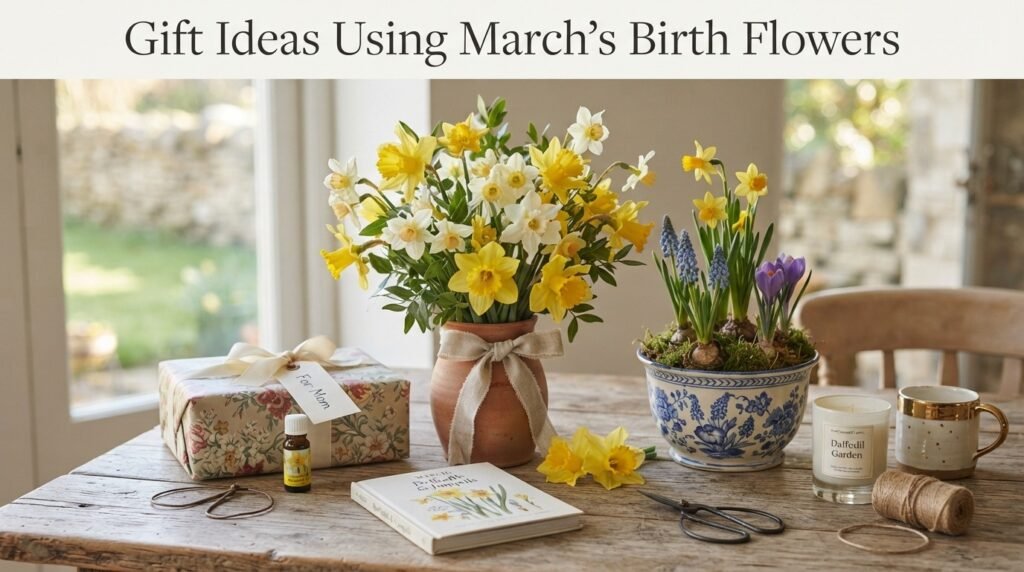
- A mixed bouquet combining daffodils and jonquils, celebrating both the bold and fragrant sides of March
- Potted daffodil bulbs that a friend can plant and watch bloom year after year
- Jonquil-scented candles or perfume, since jonquils are prized for their sweet fragrance
- A birth flower necklace or pin featuring both flowers for someone born in March
- A daffodil donation gift, made in someone’s name to a cancer support charity that uses the flower as its symbol
- A spring garden starter kit with both bulb types, perfect for a March-born gardening enthusiast
Famous People Born in March and Their Connection to the Flowers
Quite a few notable figures share a March birthday, and the daffodil’s symbolism fits many of them surprisingly well.
Albert Einstein, born March 14, reshaped how the world understood the universe. It’s hard not to see a little of the daffodil’s “new beginnings” energy in a mind that rewrote physics itself.
Dr. Seuss, born March 2, filled childhoods with color, imagination, and joy. That playful spirit echoes the daffodil’s cheerful yellow bloom and the jonquil’s warm, inviting fragrance.
Alexander Graham Bell, born March 3, changed how people connect. That theme of connection lines up neatly with the jonquil’s meaning of affection and closeness.
March Birthstone (Brief Mention)
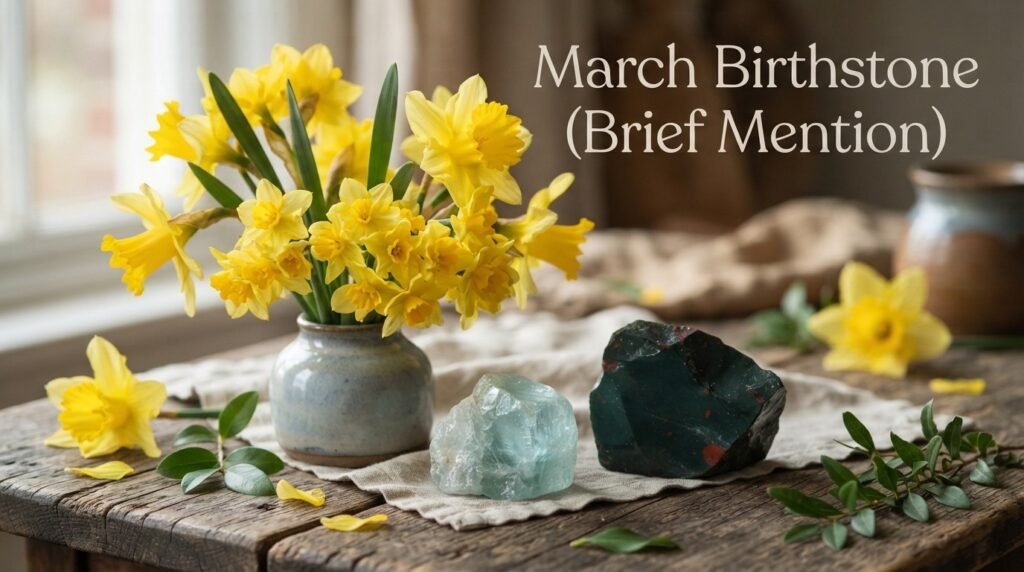
Alongside its two birth flowers, March also has its own birthstone: Aquamarine. This pale blue-green gem is often linked to calm, clarity, and courage. Some traditions also recognize Bloodstone as an alternate March birthstone, adding a second option much like the daffodil-and-jonquil flower pairing.
Fun Facts About Daffodil and Jonquil
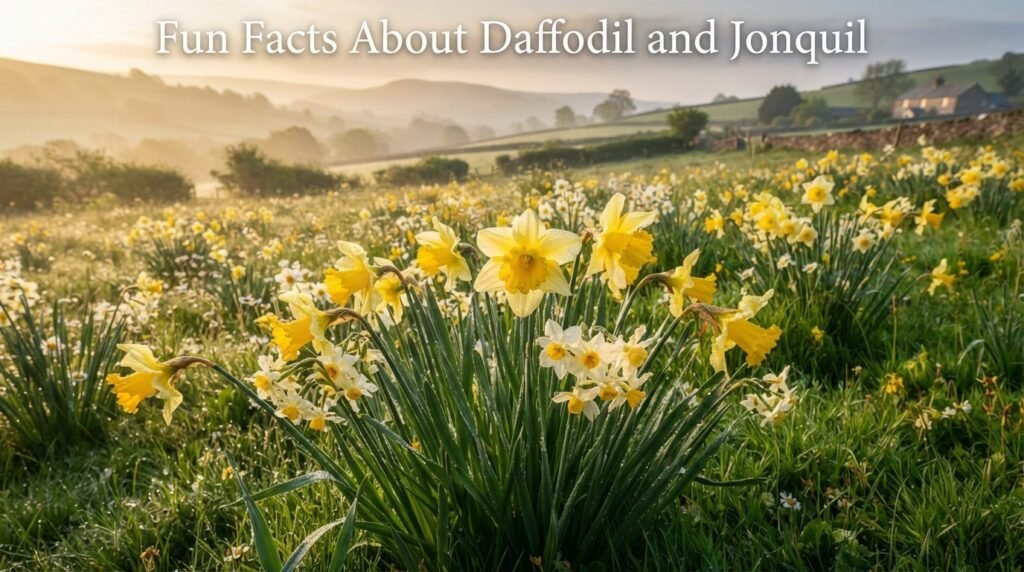
- Wales has officially adopted the daffodil as its national flower, worn every year on St. David’s Day.
- Daffodils contain a compound called lycorine, which makes them toxic if eaten by pets or people.
- A single daffodil bulb can multiply into a dense, spreading clump over just a few growing seasons.
- Jonquils are noticeably more fragrant than daffodils, which is why perfumers often favor them over other narcissus types.
- The word “jonquil” comes from the Spanish term for rush or reed, describing the shape of its leaves.
- Despite looking different, jonquils are technically classified as a type of narcissus, the same genus as daffodils.
Conclusion
March gives its people two flowers instead of one, and both feel exactly right for the month. The daffodil brings bold, hopeful energy, a flower that pushes through cold ground and announces spring has arrived. The jonquil adds something softer: fragrance, warmth, and a quiet message of affection. Together, these two March birth flowers capture the full feeling of the season, both bold and gentle at once. If you’re shopping for someone born in March, either flower — or both together — makes a meaningful, personal gift.
FAQs
What is the official March birth flower?
The primary March birth flower is the daffodil. Its secondary birth flower is the jonquil, and both are widely recognized in Western flower traditions.
What does the daffodil symbolize?
The daffodil symbolizes new beginnings, hope, and rebirth. It’s also used internationally as a symbol of encouragement for people facing cancer.
What does the jonquil flower mean?
The jonquil symbolizes desire and affection, especially the desire for someone’s feelings to be returned. It also represents warmth, faithfulness, and quiet devotion.
Is jonquil easy to grow?
Yes, jonquils are easy to moderately easy to grow. They need full sun and well-drained soil, and gardeners in colder climates may want to add mulch for extra winter protection.
Are daffodils and jonquils the same flower?
No, though they’re closely related. Both belong to the narcissus family, but jonquils have clustered, fragrant blooms and reed-like leaves, while daffodils typically produce one large flower per stem with little scent.
Is the daffodil poisonous?
Yes, daffodils contain a toxic compound called lycorine. Keep bulbs and cut flowers away from pets and children, since ingestion can cause stomach upset.
Why does March have two birth flowers instead of one?
Several months, including March, have two recognized birth flowers rather than one. This likely comes from regional variations in older flower-calendar traditions that eventually merged into a single widely used system.